

On Negative Stereotypes Of Arab Identity
Arab stereotyping is a pervasive issue with profound implications for individuals of Arab descent, influencing how they are perceived and treated in various social, cultural and political contexts. These stereotypes often arise from a combination of historical, cultural and geopolitical factors, perpetuating biased and oversimplified representations of Arab people.
One prevalent stereotype involves the homogenisation of diverse Arab cultures and identities. Arabs come from a wide range of countries with distinct languages, traditions and histories, yet they are often unfairly lumped together as a monolithic group with uniform characteristics. Arabs are frequently exoticized in media and popular culture, reducing their rich and varied cultures to sensationalised and superficial elements. This contributes to a distorted perception that fails to capture the complexity and depth of Arab societies.
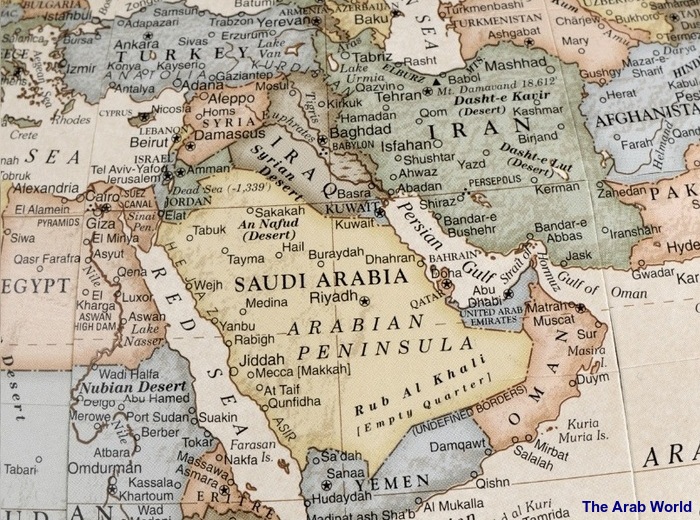
Arabs are unfairly and inaccurately associated with terrorism, a stereotype exacerbated by media portrayals that often link Arabs to violence and extremism. This simplistic narrative not only fosters fear and mistrust, but also perpetuates discrimination and racial profiling. The historical concept of Orientalism, as articulated by Edward Said, plays a role in shaping Western perceptions of Arabs. It involves the exoticization and romanticisation of the East, reinforcing stereotypes that persist in various forms today.
Stereotypes about Arabs often intersect with religious bias, particularly Islamophobia. Arabs are frequently assumed to be Muslim, leading to misconceptions about Islamic practices and beliefs that further contribute to negative stereotyping. Arab individuals often grapple with the impact of these stereotypes on their identity.
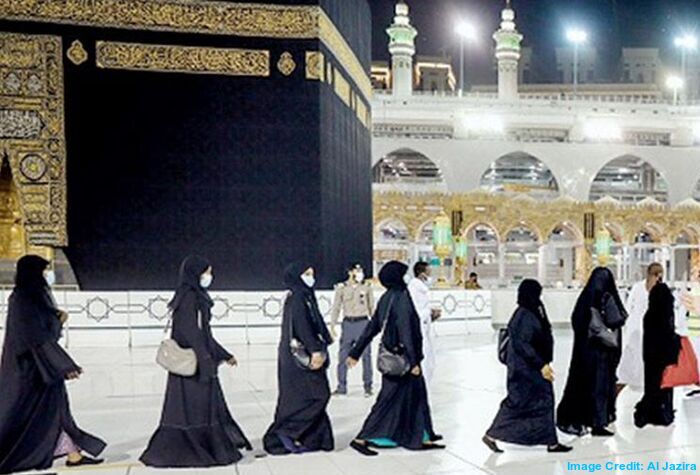
Facing preconceived notions about their culture, language and background can lead to feelings of alienation, self-consciousness and the burden of disproving harmful stereotypes. Media play a significant role in shaping public perceptions. Misleading portrayals in movies, television and news contribute to the perpetuation of stereotypes. Positive and accurate representation is essential in challenging these preconceptions.
Initiatives aimed at combatting Arab stereotyping involve raising awareness, promoting accurate representation and fostering cross-cultural understanding. Advocacy, education and media literacy efforts are crucial in challenging and dismantling harmful stereotypes. Addressing Arab stereotyping requires a collective effort to promote nuanced understanding, dispel misconceptions and foster a more inclusive global narrative. By acknowledging the diversity and individuality of Arab communities and challenging biased representations, societies can work towards breaking down stereotypes, and promoting a more equitable and respectful coexistence.
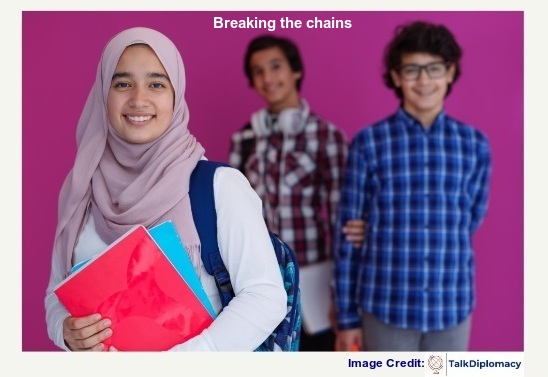
Encouraging media literacy is essential in dismantling stereotypes perpetuated by mainstream media. By empowering individuals to critically analyse portrayals and narratives, society can become more discerning and less susceptible to harmful stereotypes. A multi-disciplinary approach to understanding and addressing Arab stereotyping involves not only recognising the socio-cultural roots of these stereotypes, but also actively challenging them through education, media representation and cross-cultural dialogue. By fostering a more accurate and inclusive portrayal of Arab identities, society can move towards breaking down stereotypes and promoting a more equitable and harmonious global community.
Talk Diplomacy first published this article on Instagram on December 28, 2023.
Boundless Ocean of Politics on Facebook
Boundless Ocean of Politics on Twitter
Boundless Ocean of Politics on Linkedin
Contact: kousdas@gmail.com

 ISMC
ISMC Boundless Ocean Of Politics