

Anglo-German Coordination Of Escalated Attacks On Russia
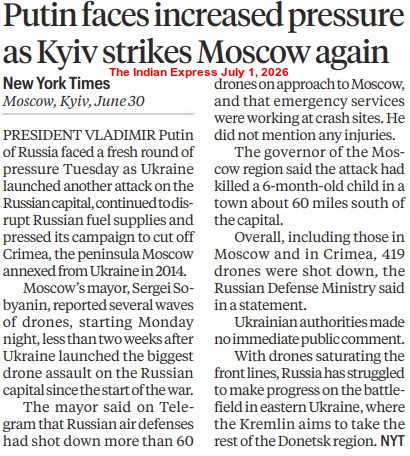
It came as no surprise that the recent G7 Summit in Évian, France assured the Ukrainian Government of its solidarity and support against Russia, nor that the European Union (EU) extended its anti-Russia sanctions by 12 months instead of the usual six months, nor that the EU still insists that only increased pressure will force Vladimir Vladimirovich Putin to come to the negotiation table on their terms.
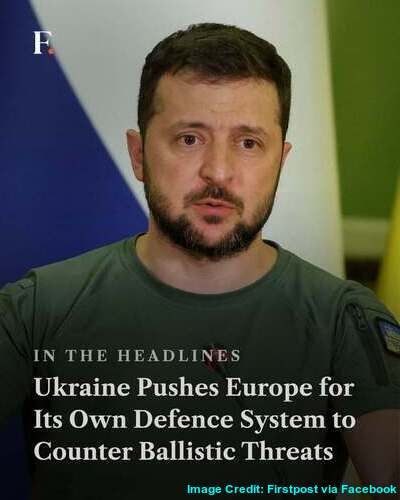
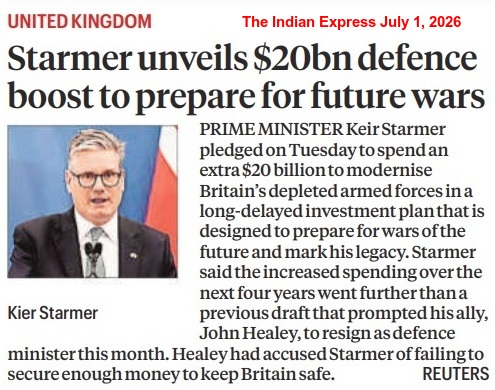
In non-EU member Great Britain, the Ministry of Defence has announced its intent to provide Ukraine with 150,000 drones and over 350 air defence missiles, as well as radars, by the end of this year, with the required funds, in the range of GBP 752 million, coming from an Extraordinary Revenue Acceleration (ERA) loan. The ERA is the mechanism created by the EU to use the interest on the Russian assets frozen after the war began. The GBP 752 million is the third of three tranches allocated to London under that mechanism, and it will be used to pay the Ukrainian firms that produce the drones and the British firms that produce the missiles.
In Germany, the government is proceeding with its rearmament programme funded by the EUR 500 billion Special Fund generated by taxpayers, while looking for ways to balance its enormous debt at the same time. The expected budget cuts are now on the agenda.
Not for the defence budget though, which has increased, including EUR 3 billion for Ukraine in 2026. However, cuts are planned in social welfare, pensions and healthcare. That is the real reason why Chancellor Joachim-Friedrich Martin Josef Merz has claimed that Germany cannot maintain such high public expenditures in these three areas.
The Pension Reform Commission is to present its first draft to the public soon, centred on a rise in retirement ages and the creation of a state pension fund that attracts money from the financial markets to meet the payments for retirees. Germans are expected to work more and longer, and thus to pay more into the retirement funds.
Experts are of the opinion that the move will bring considerable relief for the State Budget. What they don’t say is that the pressure on the State Budget is primarily due to the new militarisation expenditures that are financed by a debt which has to be paid back to the financial markets.
This article was first published in Executive Intelligence Review (EIR) Strategic Alert weekly newsletter (Volume 40, No. 26) on June 25, 2026.
Meanwhile,


Boundless Ocean of Politics on Facebook
Boundless Ocean of Politics on Twitter
Boundless Ocean of Politics on Linkedin
Contact us: kousdas@gmail.com

 ISMC
ISMC
