

Caspian Sea Becomes Game Changer For Iran
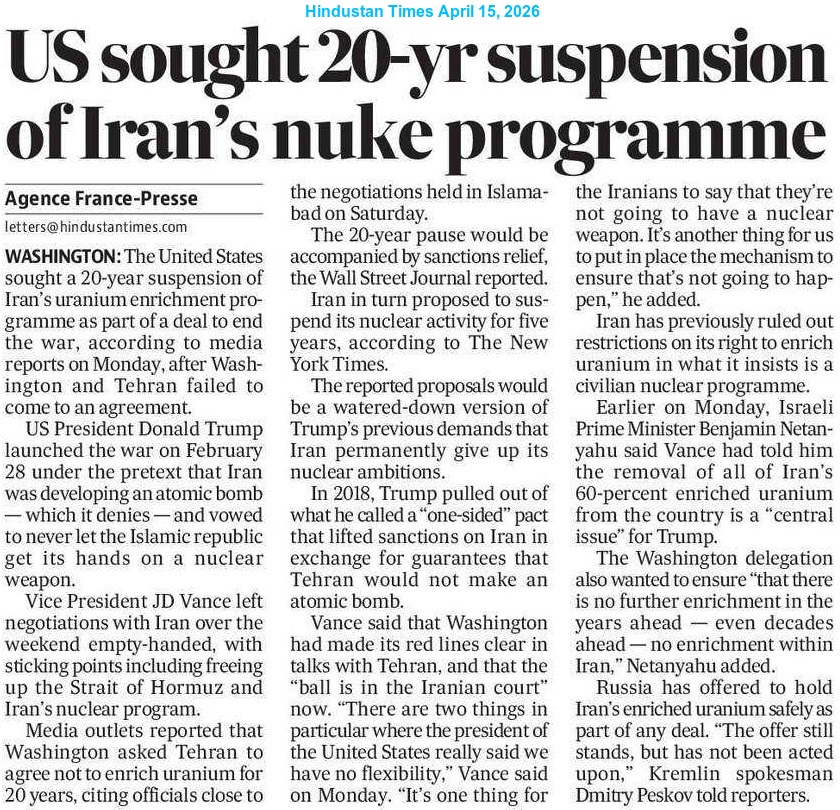
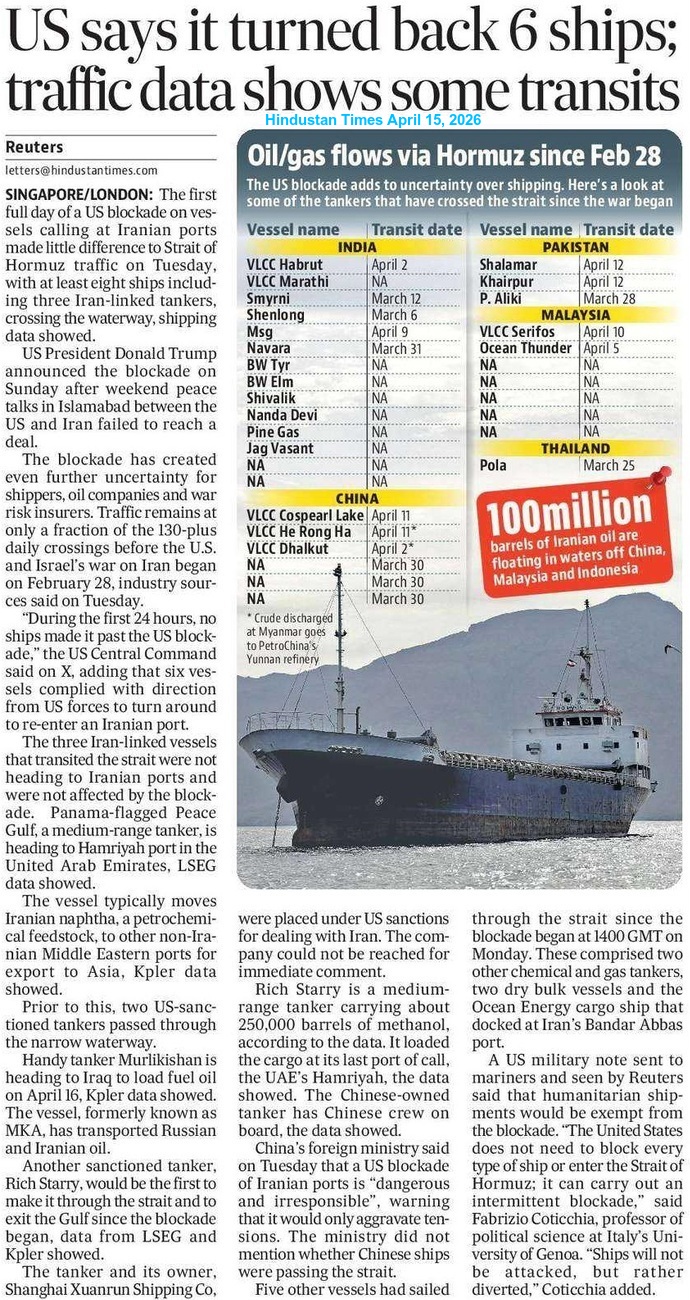
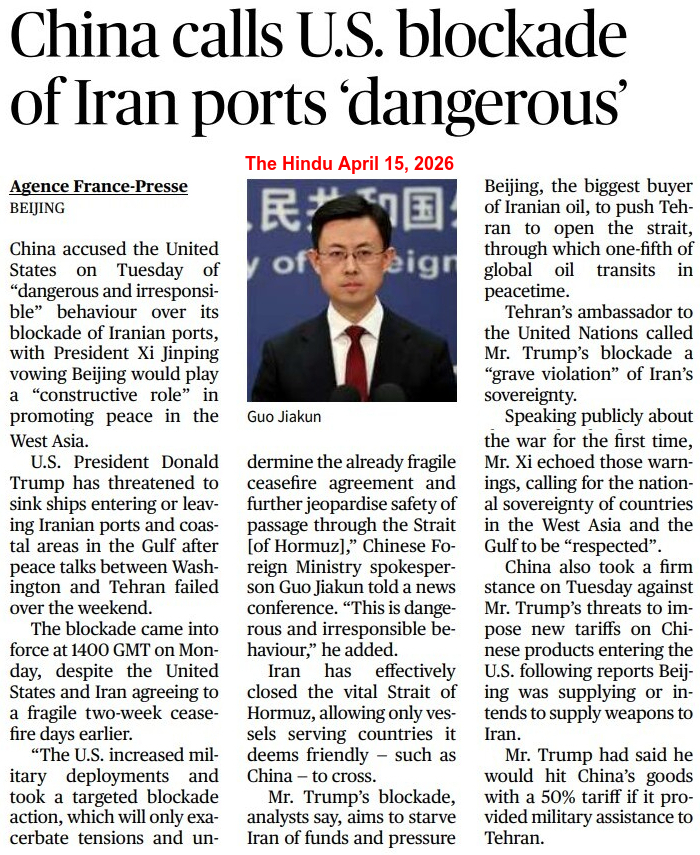
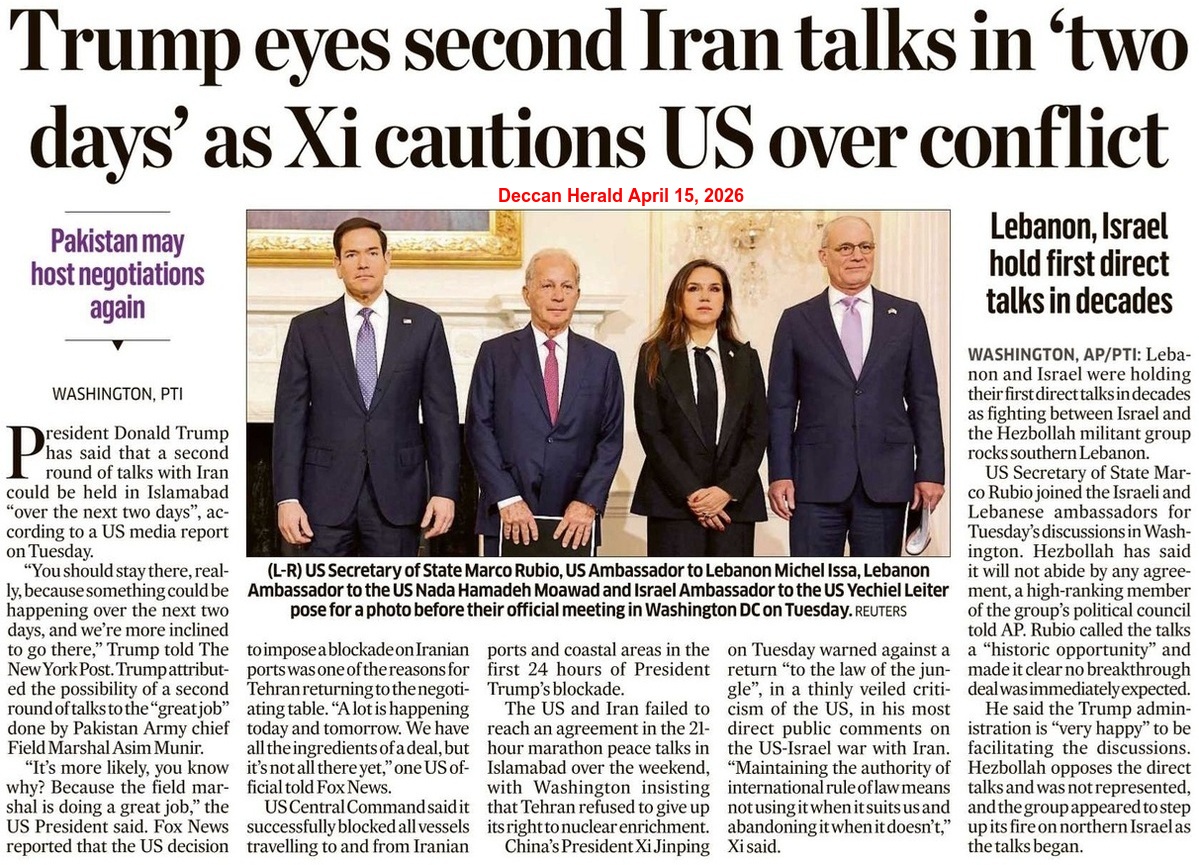
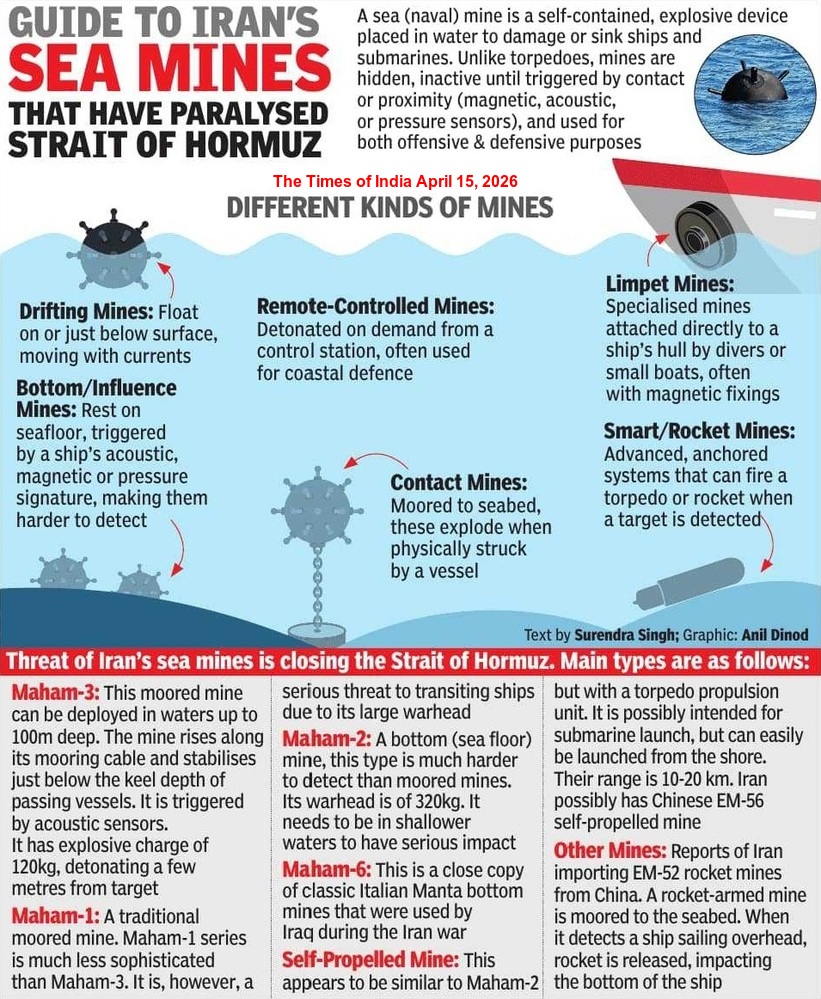
Iran has adopted a peculiar military strategy in its war against the US and Israel. At the very outset of the conflict that began on February 28, 2026, the Islamic Revolutionary Guard Corps (IRGC) blockaded the Strait of Hormuz, triggering a global energy crisis. However, defence analysts believe that the Caspian Sea, the world’s largest inland body of water or saline lake, has gradually emerged as a critical strategic corridor in the intensifying West Asian conflict, functioning as a key logistics route for Russia-Iran cooperation and subsequently becoming a new flashpoint for military strikes.
The strategic location of the Caspian Sea, situated north of the Iranian Plateau bordering Russia, Kazakhstan, Turkmenistan, Azerbaijan (and Iran), is of great importance. It acts as a massive natural dividing line between Europe and Asia, bordered on the west by the Caucasus Mountains and on the east by the vast steppe of Central Asia. Apart from the five nations, no one else is permitted to operate cargo ships there. Iran is conducting an asymmetric war against the US and Israel precisely by leveraging this advantage.
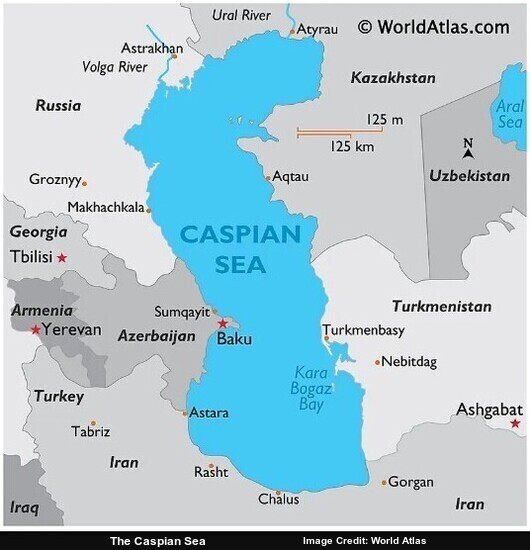
It may be noted that the Caspian Sea has become a vital supply line for Russia to receive Iranian weapons, including ammunition and drones, for the Ukraine War. Using ships to bypass sanctions, this corridor transports artillery shells and drone components, making the waterway a key target in the widening Russia-Iran-Israel-US conflict, culminating in a reported March 2026 Israeli strike on a port. Now, Iran is receiving weapons from Russia through this water body.
One year into the Ukraine War (early 2023), Russia experienced significant weapons and ammunition shortages, driven by high usage rates and sanctions hindering production. However, the Islamic Republic extended a helping hand to the Kremlin as Ayatollah Seyyed Ali Hosseini Khamenei, the then-Supreme Leader, hurriedly ordered the supply of weapons to Moscow through the Caspian Sea. The move helped the IRGC to realise the real significance of this massive landlocked saline lake. The Western media have claimed that Iranian and Russian vessels operating in the Caspian Sea have historically operated with tracking systems (AIS) switched off. Hence, no one realised when the arms-laden vessels docked at the Russian port.
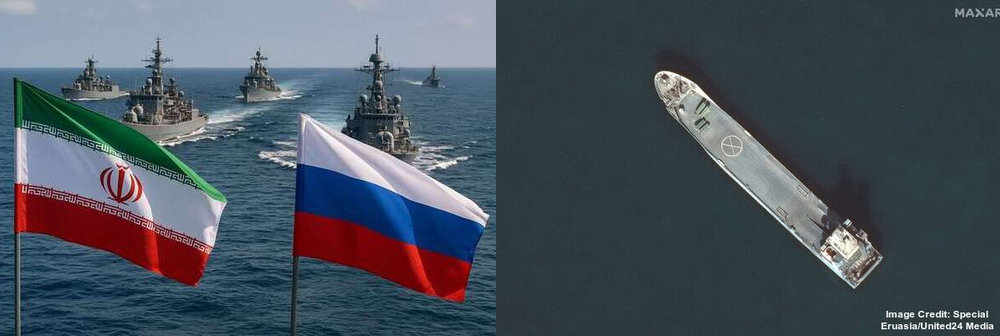
Significantly, Iran has four major ports – Bandar-e Anzali, Amirabad Port (in Behshahr), Nowshahr and Caspian Port – on the Caspian Sea, while Russia operates three primary ports – Astrakhan, Olya and Makhachkala. However, it is still unclear which two of those seven ports the two countries are using for the arms shipments.
In 2016, the IRGC received the S-300 surface-to-air missile systems (NATO reporting name SA-10 Grumble) from Russia. Those systems reached the West Asian nation via the Caspian Sea, although the world’s largest saltwater lake had not yet emerged as a regular route for the arms shipments at that time. However, the scenario has changed dramatically since the outbreak of the Ukraine War on February 24, 2022.
According to reports in February 2026 based on leaked documents, Iran signed a secret EUR 500 million (approximately USD 589 million) arms deal with Russia in December 2025 to purchase advanced Verba man-portable air defence systems (MANPADS) as the deal was aimed at rebuilding air defences of the Islamic Republic following significant losses in conflict (with the US and Israel). The IRGC also received 2,500 medium-range surface-to-surface missiles and 500 night-vision goggles from Moscow on the basis of that accord. Furthermore, President Vladimir Putin agreed to send modified, domestically produced Geran-2 (Shahed-136) drones, along with components, to Iran.
Since the outbreak of war with Iran, the US and Israeli Air Forces have been frequently launching attacks in the region. Hence, supplying arms through normal commercial maritime routes has become a risky affair. Consequently, Moscow is sending weapons to the IRGC via the Caspian Sea route. The Israeli Air Force (IAF) recently expanded its operations against Iran by targeting naval infrastructure on the Caspian Sea, specifically aiming to disrupt weapons transfer routes. However, the move has failed to halt the overall flow of weapons.
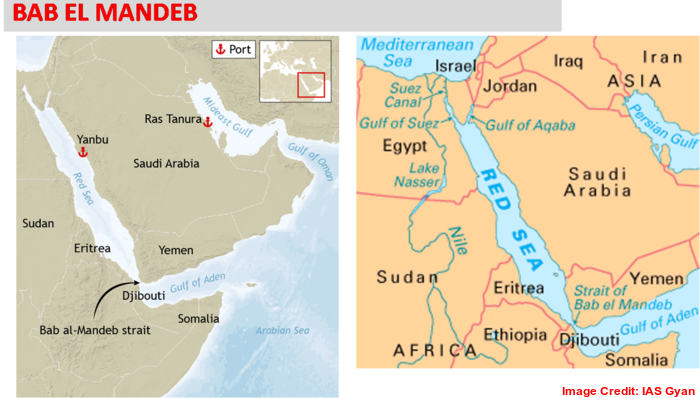
Iran, which has effectively closed the Strait of Hormuz, is planning to shut down the Bab el-Mandeb Strait, as well, in order to put the US and Israel under tremendous pressure. If Yemen’s Iran-backed Houthi rebels open a new front in the conflict, one obvious target would be the Bab el-Mandeb Strait, a critical 32km-wide maritime choke point connecting the Red Sea to the Gulf of Aden and the Indian Ocean. In such a situation, the IRGC could become unstoppable by maintaining maritime and overland routes, particularly through the Caspian Sea (to bypass sanctions and sustain trade with partners, like Russia).
Meanwhile,


Boundless Ocean of Politics on Facebook
Boundless Ocean of Politics on Twitter
Boundless Ocean of Politics on Linkedin
Contact us: kousdas@gmail.com

 ISMC
ISMC
