

Is Ayatollah Arafi Killed After Succeeding Khamenei?
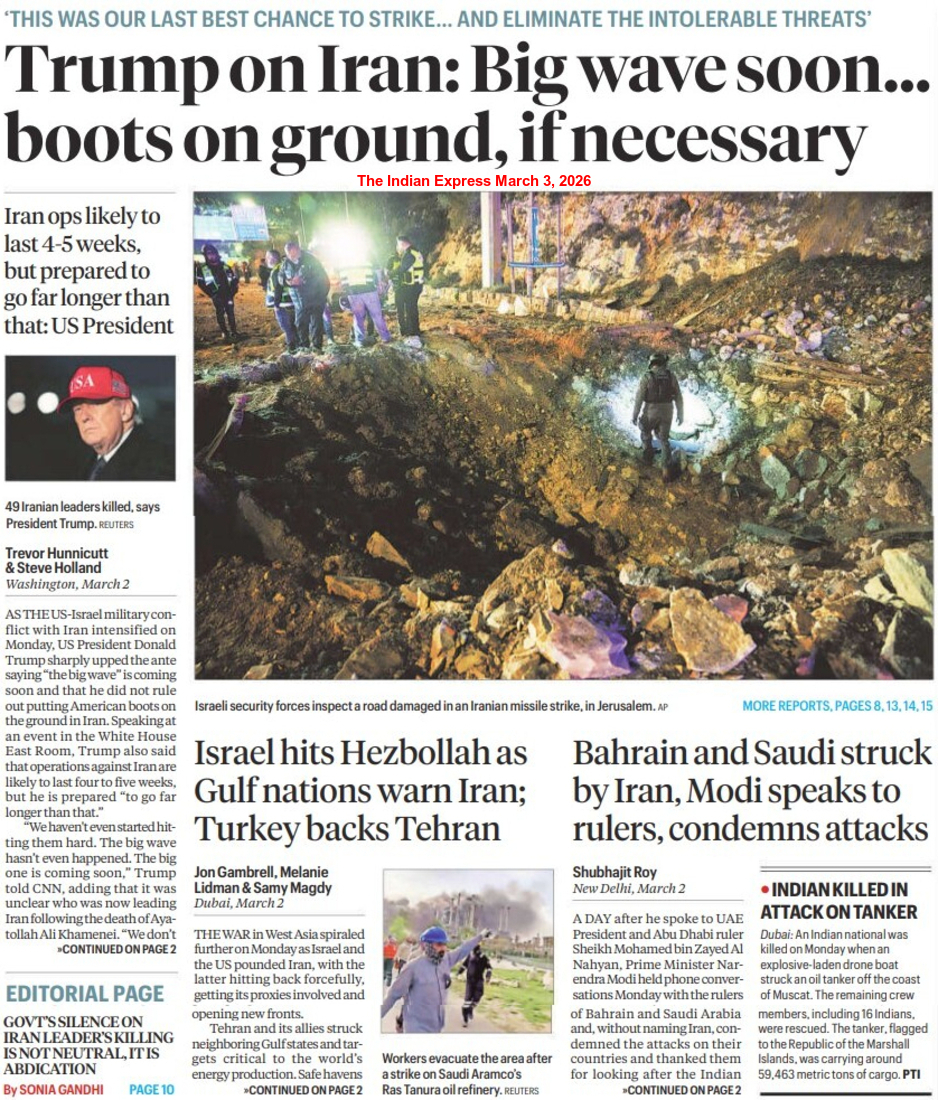
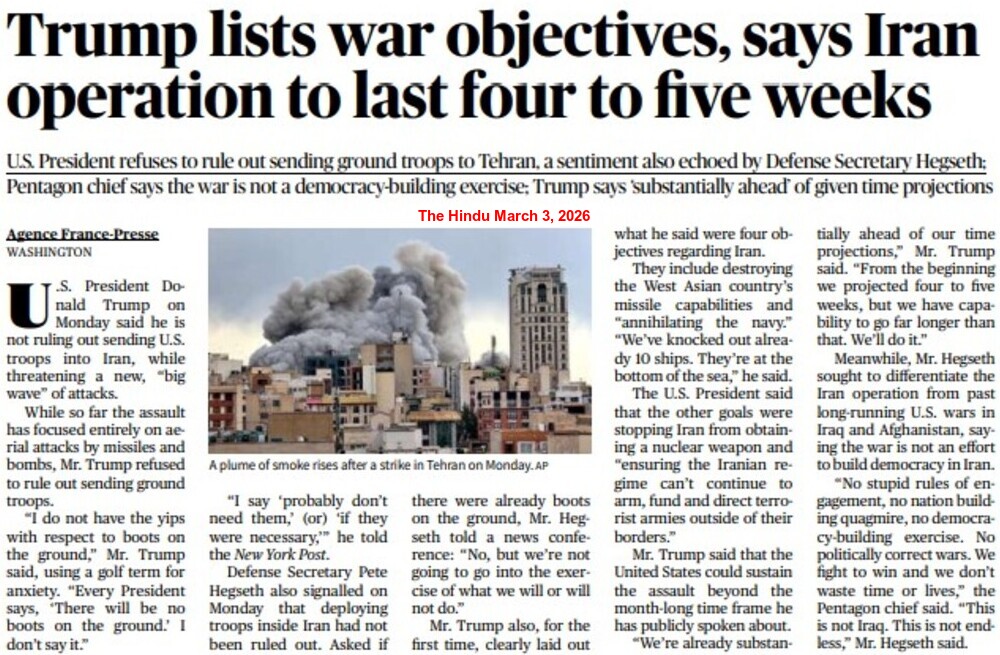
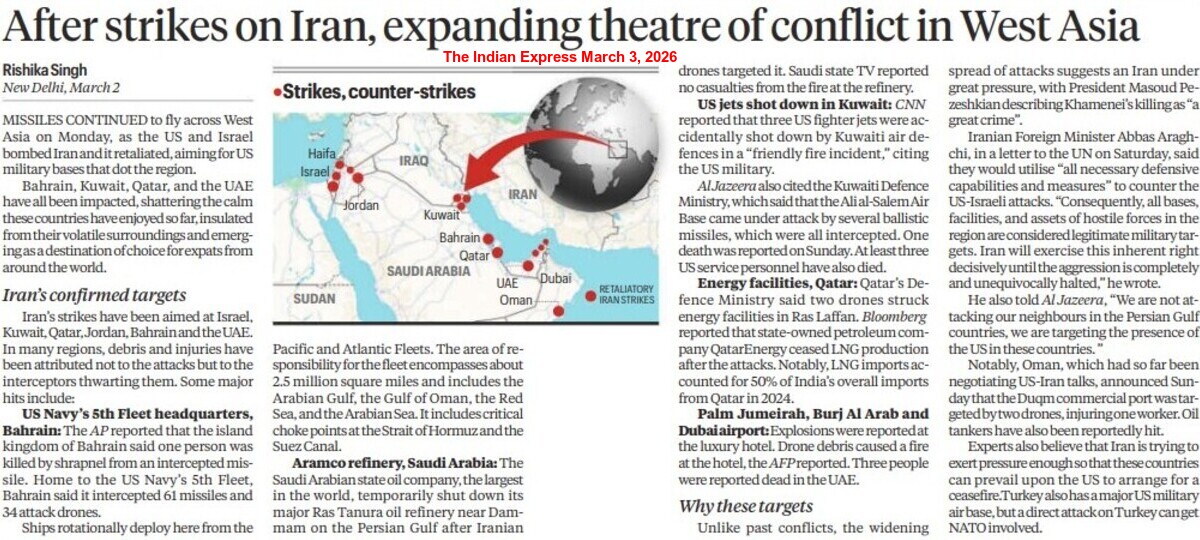
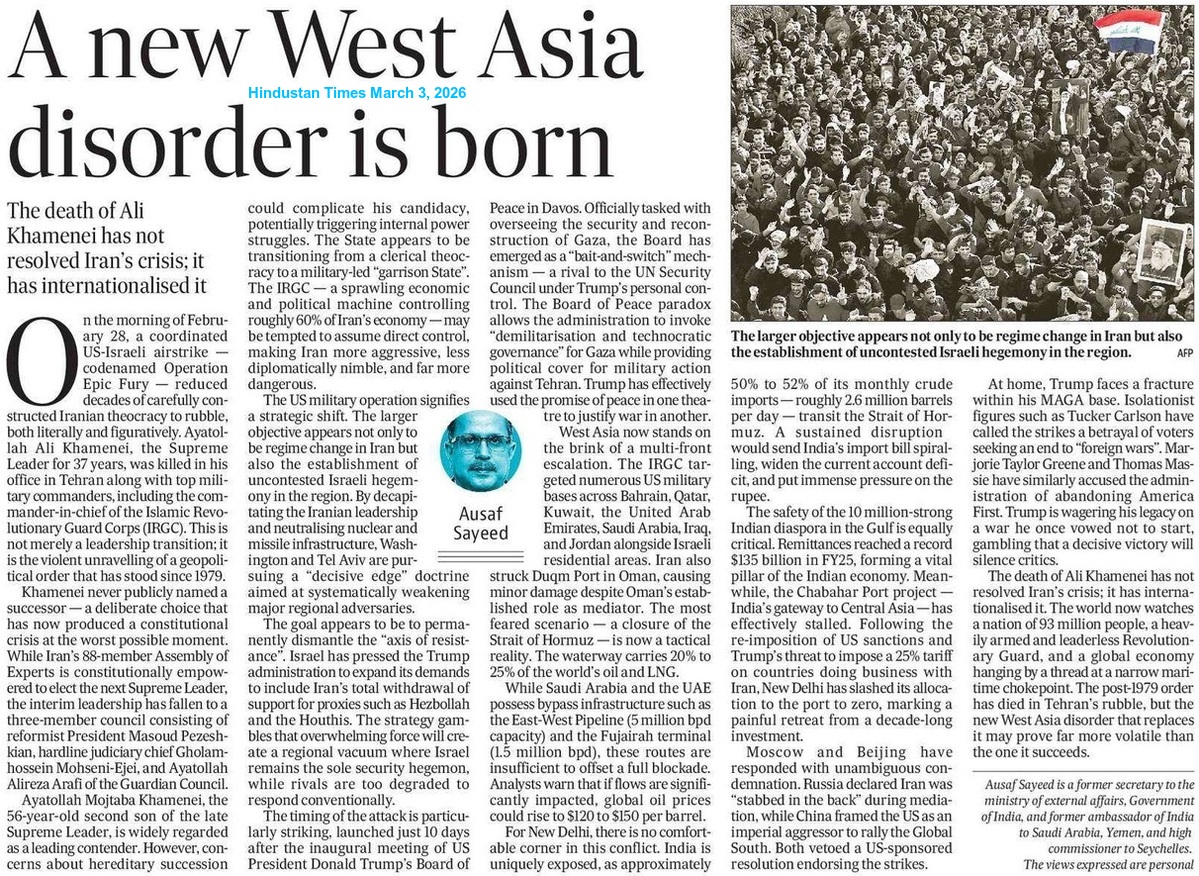
Unverified reports suggest that Ayatollah Alireza Arafi (born 1959), the Interim Supreme Leader of Iran, was killed in an airstrike shortly after taking charge following the assassination of Ayatollah Ali Hosseini Khamenei on February 28, 2026. Hence, the three-member Leadership Council faces uncertainty amid escalating turmoil in West Asia.
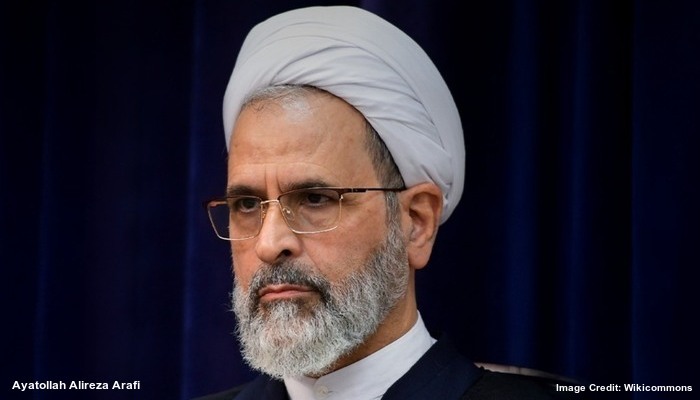
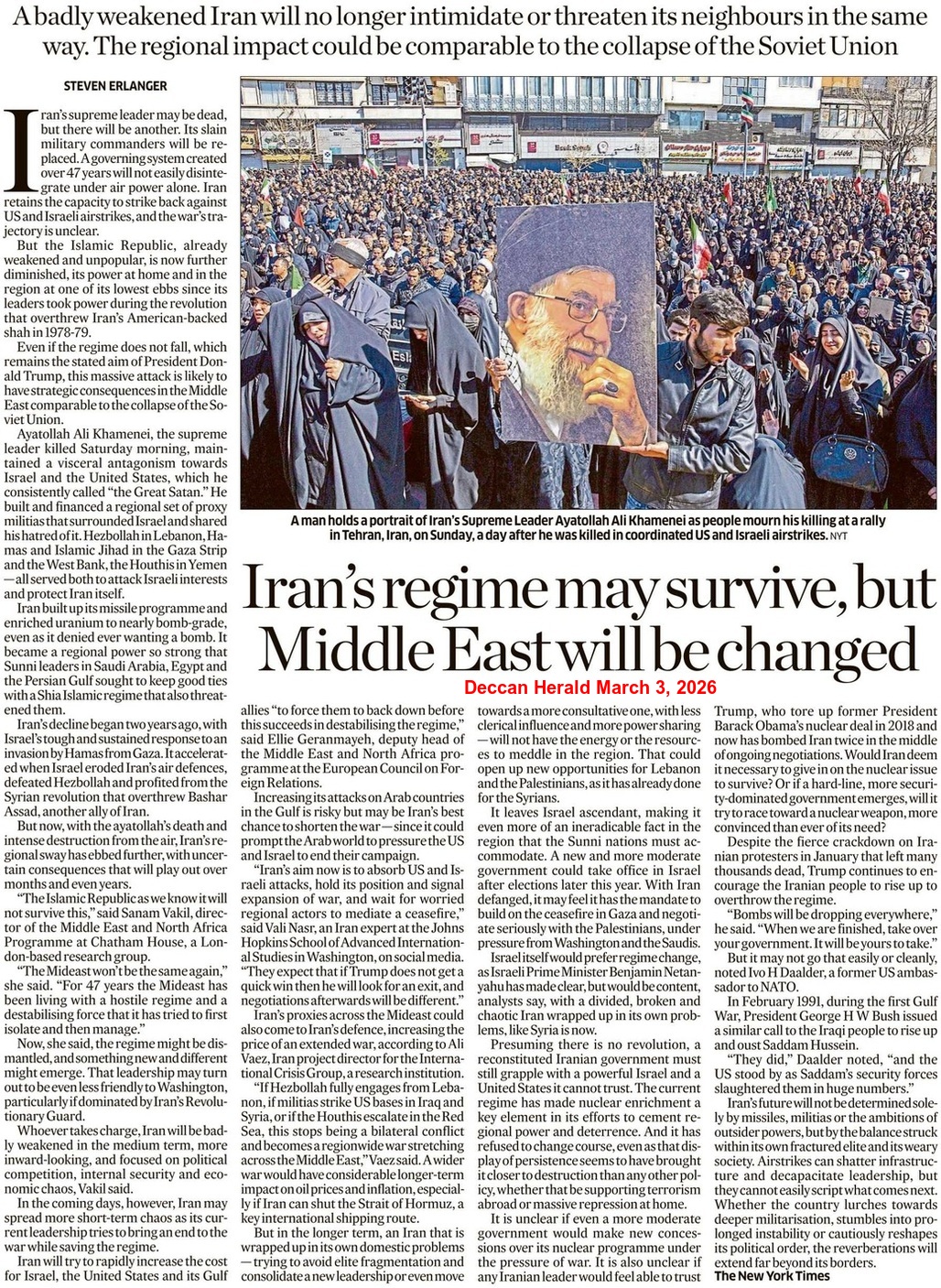
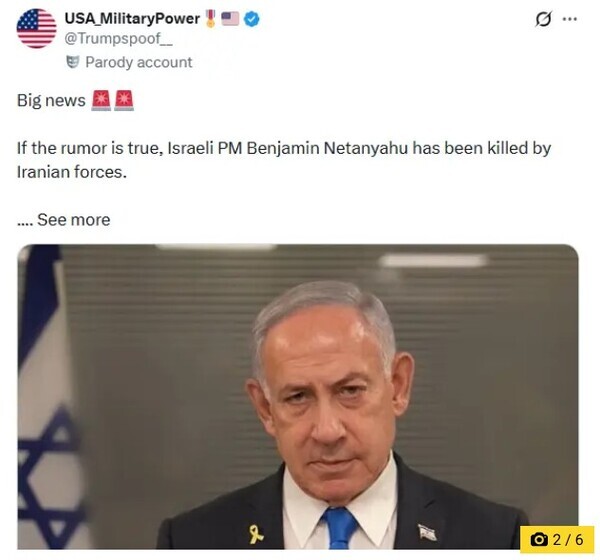
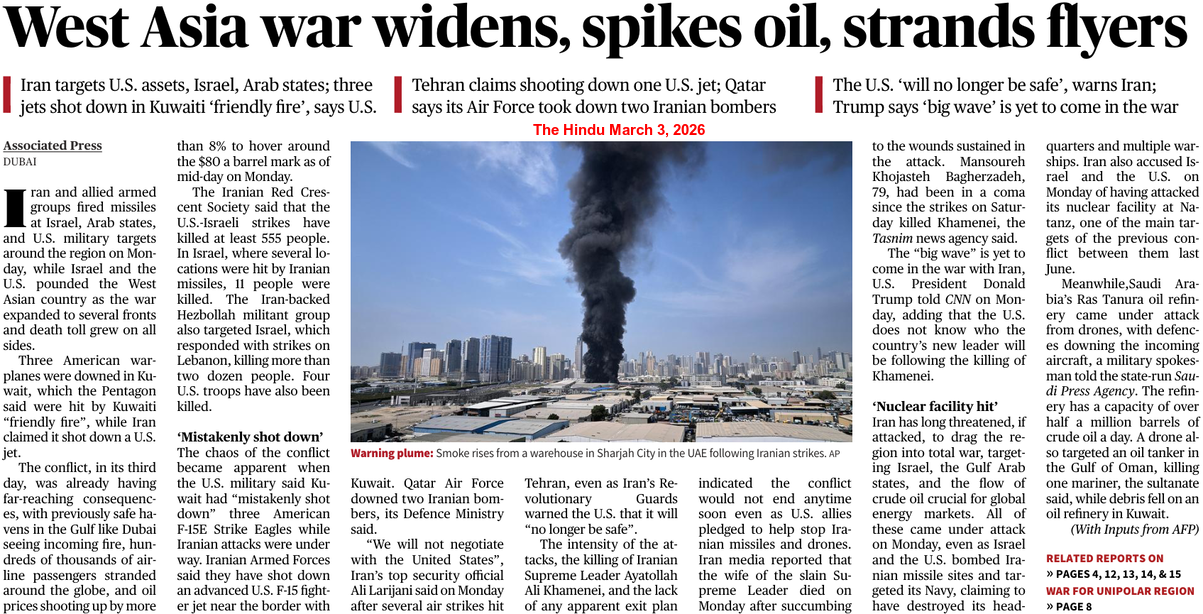
The Western media have reported that Arafi was struck during airstrikes, although the Iranian state media and major international agencies are yet to confirm his demise. If confirmed, Arafi’s death would certainly deepen the leadership crisis of Iran following the sudden assassination of longtime Supreme Leader Ali Khamenei in US-Israeli airstrikes.
Following Khamenei’s death, the Islamic Republic invoked Article 111 of its Constitution, creating a temporary three-member Leadership Council to oversee the duties of Supreme Leader. Arafi, serving as a jurist representative of the Guardian Council, joined the Leadership Council alongside Iranian President Masoud Pezeshkian and Chief Justice Gholamhossein Mohseni Ejei. He is widely considered as the dominant religious authority within the interim body that would govern until a permanent successor is appointed.
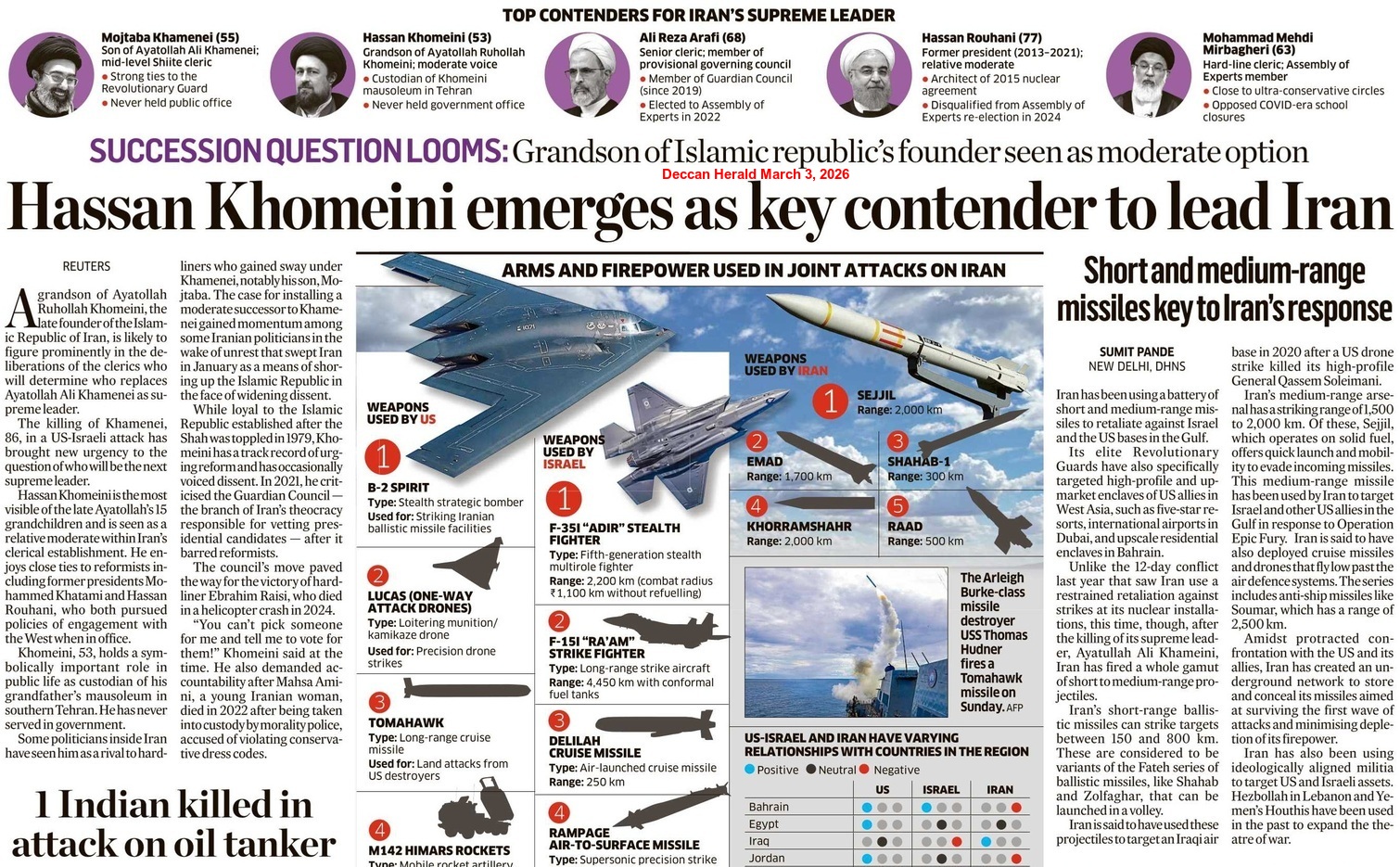
Meanwhile, the unconfirmed reports of Arafi’s death have sparked concern across West Asia and beyond, highlighting the fragility of the current leadership structure of Iran. The interim Leadership Council, tasked with maintaining stability, now faces heightened scrutiny amid continued military threats and internal uncertainty.
Born in 1959 in Meybod, Yazd Province, Arafi is a senior Shia cleric with deep roots in the religious hierarchy of his country. He studied in Qom under prominent scholars and has achieved the rank of Mujtahid, granting him the authority to issue independent Islamic legal rulings. His rise within the clerical establishment has made him a key figure in the governance, especially during transitional periods.
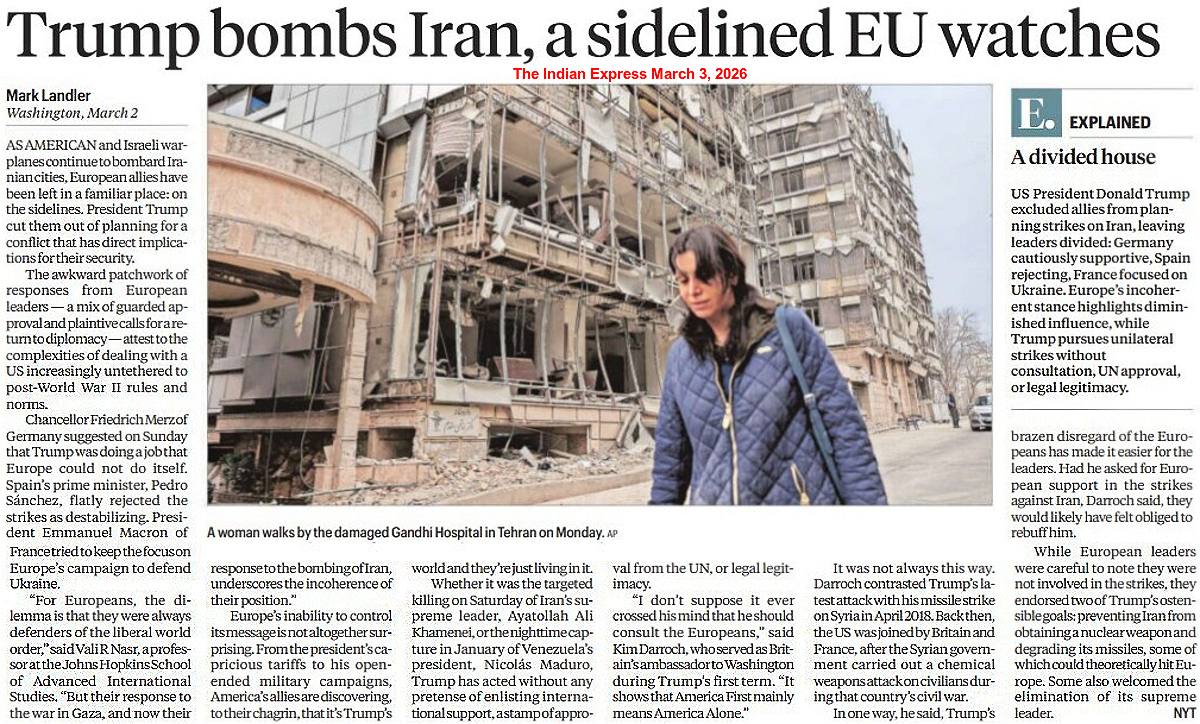
Both Ayatollah Ruhollah Musavi Khomeini and Ayatollah Ali Hosseini Khamenei served as the Supreme Religious Leader of Iran, as religious leaders have always had a greater influence on this position. The position that Khamenei held alone for so long would now be held by three persons. As there is just one religious leader among these three, it is believed that Arafi will have a greater influence in the three-member Leadership Council.
Once, Ayatollah Arafi was widely considered as the successor of Ayatollah Khamenei. He is still considered one of the important figures in Khamenei’s inner circle. Currently, Arafi serves as the Deputy Chairman of Assembly of Experts which appoints the Supreme Religious Leader. Previously, he was a member of the influential Guardian Council. The 12-member Guardian Council, also known as the Council of Guardians, oversees legislation in the Islamic Consultative Assembly and enjoys the power to veto legislation, apart from supervising elections and disqualifying candidates from running for office.
Ayatollah Arafi has transitioned from a behind-the-scenes religious authority to the centre of Iran’s political structure. Contrary to being rarely discussed, he has become a key figure following the assassination of Khamenei. He is characterised more as a bureaucratic and theological expert rather than a figure deeply entrenched in the military or security apparatus. Arafi does not have close ties to the Islamic Revolutionary Guard Corps (IRGC) or the security establishment. The interim Leadership Committee, consisting of Arafi, President Pezeshkian and Chief Justice Mohseni, will be responsible for running Iran until a new Supreme Leader is chosen.
Meanwhile,
Boundless Ocean of Politics on Facebook
Boundless Ocean of Politics on Twitter
Boundless Ocean of Politics on Linkedin
Contact us: kousdas@gmail.com

 ISMC
ISMC
