

Study: Ancient Romans Used Human Faeces As Medicine
Although the ancient manuscripts mention that medicines were made from human faeces in Roman civilisation, researchers found no evidence in the past. Scientists recently claimed that they have discovered the first, direct, physical and chemical evidence of human faeces being used as medicine in ancient Rome.
Galen of Pergamon (CE 129-216 CE) was a Greek physician, surgeon and philosopher who became the most prominent medical expert in the Roman Empire and also served as the personal physician of several emperors, including Marcus Aurelius, Commodus and Septimius Severus. Born in Pergamon (modern-day Bergama, Turkey), Galen’s medical, anatomical and physiological writings dominated Western and Middle Eastern medicine for roughly 1,500 years.
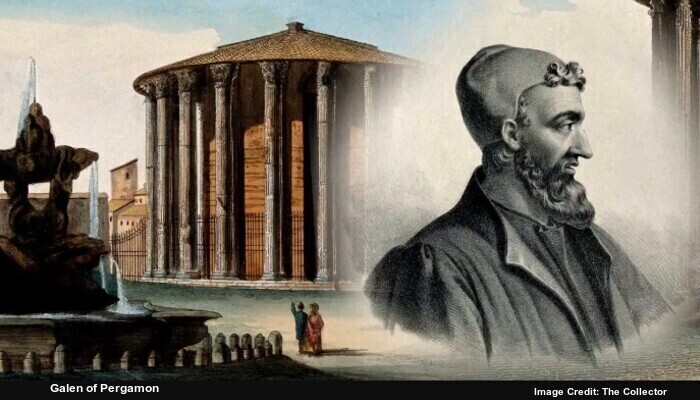
Various medical treatises by Galen describe the preparation of medicines using human faeces. While he frequently recommended various forms of animal dung, Galen did specifically discuss the medicinal use of human excrement, notably advocating for the faeces of a child who had been fed a specific diet of lupin beans, bread and wine. Researchers in Turkey have found groundbreaking, direct evidence, confirming that ancient Romans used human faeces as medicine, particularly for treating infections and inflammation.
The Bergama Museum still houses a significant collection of artefacts, including some vials or small glass bottles (anguenterium or unguentarium), from ancient Roman civilisation. Archaeologist Cenker Atila from Sivas Cumhuriyet University, together with Binnur Gürler, started writing a book, titled Glass Objects from the Bergama Museum, about those glass bottles a few years ago. At that time, he discovered some vials, traditionally used to hold perfume or medicine, in a storage room of the Bergama Museum and also found “dark brown fragments” inside one of them, prompting a deeper examination.
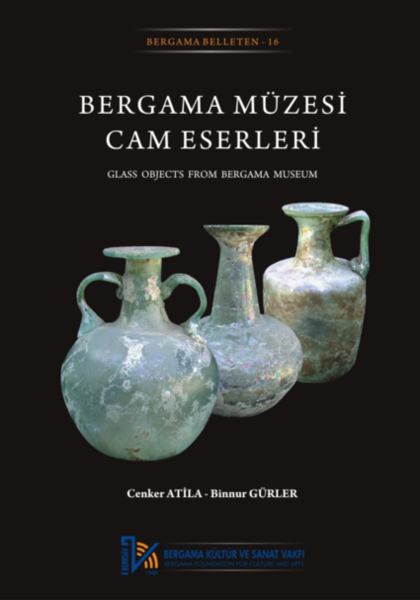
The vial reportedly came from a tomb in the ancient city of Pergamon, a major medical centre in the 2nd and 3rd Centuries. However, there was no odour when the bottle was opened. Atila explained that the vial had remained undiscovered for a long time. Hence, he decided to thoroughly examine it. Chemical analysis (gas chromatography and mass spectrometry) revealed the presence of coprostanol and 24-ethylcoprostanol, which are markers for human faeces, in the vial. Interestingly, the bottle dates to the 2nd Century when Galen passed away (216 CE).
The study was published in the Journal of Archaeological Science: Reports in January 2026. As per the study report, Atila discovered brown substance inside the sealed 2nd Century Roman glass bottle with a clay lid, containing human faeces, a high concentration of thyme, olive oil, and a mixture of plants and shrubs. Immediately after receiving the chemical analysis report, the researchers recognised the mixture as a medicine described in Galen’s texts, as it perfectly matches his (and other classical authors’) recipes for using faeces to treat inflammation, infections and other ailments.
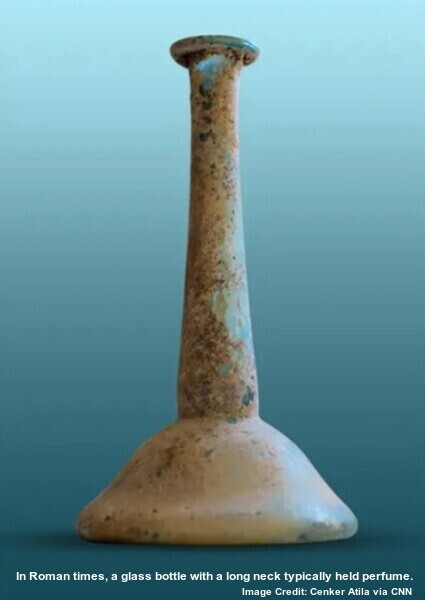
Significantly, the elongated shape of the glass container in which the mixture was kept suggests such containers were commonly used to store perfumes in ancient Roman civilisation. Atila and his colleagues speculate that the perfume bottles were probably used as medicine bottles mainly to mask the odour of the human waste. They have also come to the conclusion that the ancient Romans used various plants primarily for their antibacterial properties and the mixture acted as a form of “olfactory pharmacology” or topical ointment.
It may be noted that the practice of using human waste, including faeces, urine and other bodily products as medicine was not limited to ancient Rome, but was a widespread phenomenon found across various cultures and historical periods, often referred to as Filth Pharmacy or Dreckapotheke. On February 10, 2026, CNN reported that the US Food and Drug Administration (FDA) recently approved two products derived from human faeces to prevent the recurrence of Clostridioides difficile infection in adults.
Meanwhile,








Boundless Ocean of Politics on Facebook
Boundless Ocean of Politics on Twitter
Boundless Ocean of Politics on Linkedin
Contact us: kousdas@gmail.com

 ISMC
ISMC Boundless Ocean Of Politics