

The Birthplace Of Modern Civilisation
Researchers have long been trying to trace the exact time and location of the birth of modern civilisation. While some believe that the first urban civilisations emerged in Mesopotamia (the present-day Iraq) around the 4th millennium BCE, coinciding with the Neolithic Revolution; others are of the opinion that a number of ancient civilisations (compared to the Sumerian Civilisation) are yet to be discovered. Historians are still not sure about the birthplace of modern civilisation as it involves quite complex research.
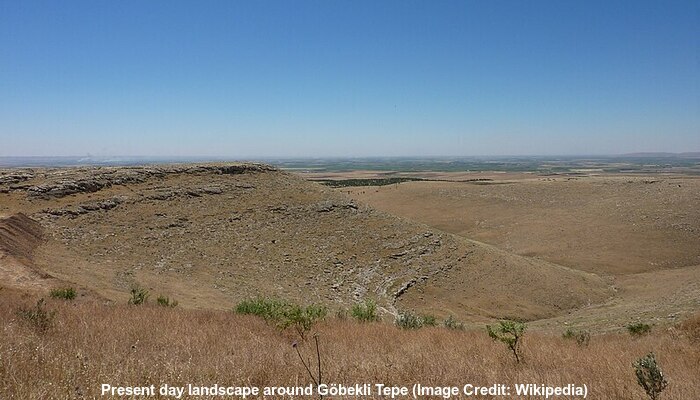
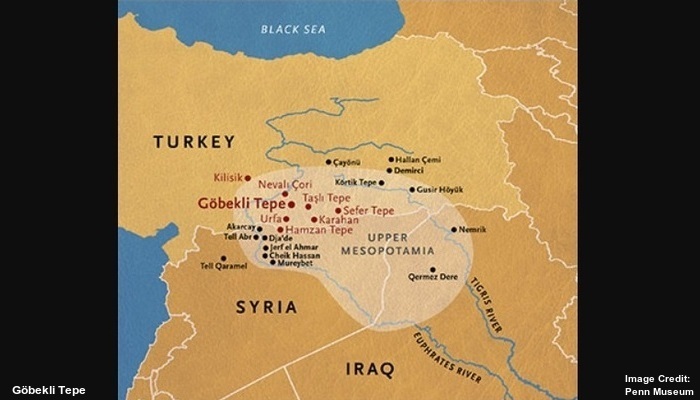
It seems that there is a possibility of tracing the exact time and location of the emergence of modern civilisation. A tiny Turkish mountainous region, known as Göbekli Tepe (or Göbeklitepe), attracted the attention of archaeologists since its discovery in 1995. However, it was not possible to excavate the Neolithic archaeological site in Upper Mesopotamia in modern-day Turkey near the border of Syria until 2019 due to political instability in the West Asian nation.
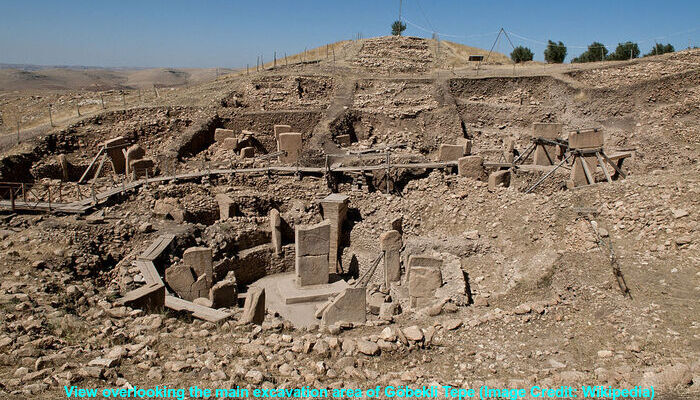
Klaus Schmidt (December 11, 1953 – July 20, 2014), the German archaeologist and prehistorian who led the phased excavations at Göbekli Tepe from 1996 to 2014, used to believe that the discovery of this archaeological site would reveal a number of unknown facts. After the excavation works resumed in 2020, various items were discovered in that particular region, directly indicating the beginning of human civilisation and also pointing to the Stone Age civilisation.
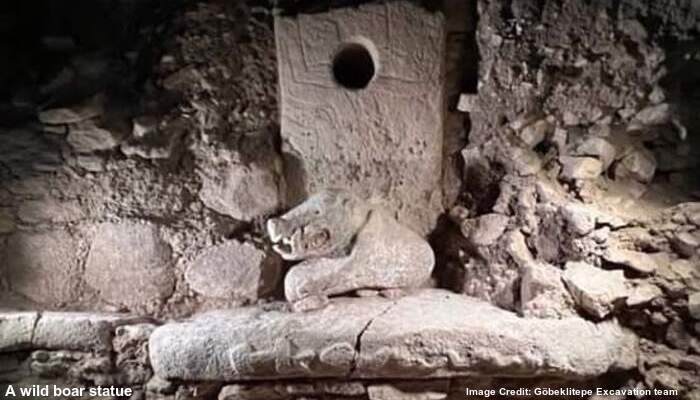
Schmidt and his team discovered a few T-shape pillars made of a single giant stone (or megalith) at Göbekli Tepe. According to archaeologists, the presence of multiple pillars like this indicates the structure of a temple or a place of worship. However, they are yet to confirm whether it could be the oldest religious place found till date. Carbon dating tests confirmed that the crafted megaliths were created about 12,000 years ago, 7,000 years before the constructions of oldest pyramids in ancient Egypt.
Archaeologists also discovered an ancient burial chamber, with multiple male skeletons lying in it, at the site. The physical, as well as genetic, trait of each skeleton matched with the characteristics of the Stone Age population. After completing all the test audits in just two years, archaeologists confirmed that the skeletons are approximately 12,000 years old. Anthropologists came to the conclusion that people used to gather at the temple in large numbers around 12,000 years ago most probably for religious purposes.
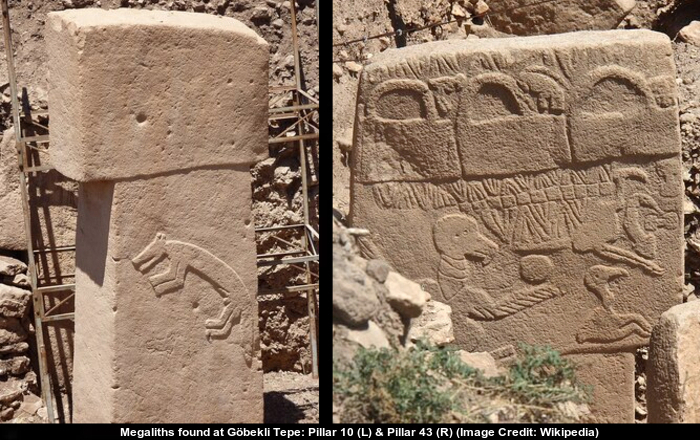
The craftsmanship of megaliths shows that people used to worship the trees and the Sun at Göbekli Tepe. Archaeologists have stressed that they would have to conduct further research in this mountainous region of Turkey in order to confirm that Göbekli Tepe is the birthplace of the oldest human civilisation ever found.
Meanwhile, a section of archaeologists has opined that it is also possible to find ruins of more ancient civilisations elsewhere in the world.
Boundless Ocean of Politics on Facebook
Boundless Ocean of Politics on Twitter
Boundless Ocean of Politics on Linkedin
Contact us: kousdas@gmail.com

 ISMC
ISMC Boundless Ocean Of Politics