

The Dangerous Desire
As per the economic theory, demand drives the market as the price of a product or service is determined by the relationship between supply and demand. In other words, the more people purchase, the more production will increase and the more the market will be stimulated. The question arises here: How can demand be created?
Economists are of the opinion that human needs are the source of demand. However, Mohandas Karamchand ‘Mahatma’ Gandhi (October 2, 1869 – January 30, 1948), an Indian lawyer, anti-colonial nationalist and political ethicist, used to believe that human desires, and not needs, are the real source of demand! The market is well aware of the fact that the demand for satisfying needs alone is not enough to satisfy the commercial appetite of the economy. The market requires more needs that are born from desire. There would be no reason to object to such desire of human beings, unless the environment had to bear the brunt of it.
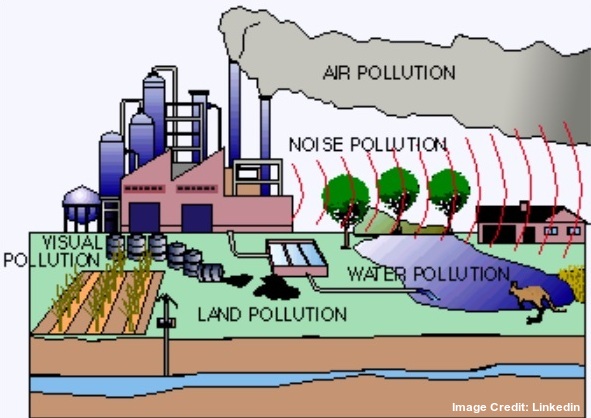
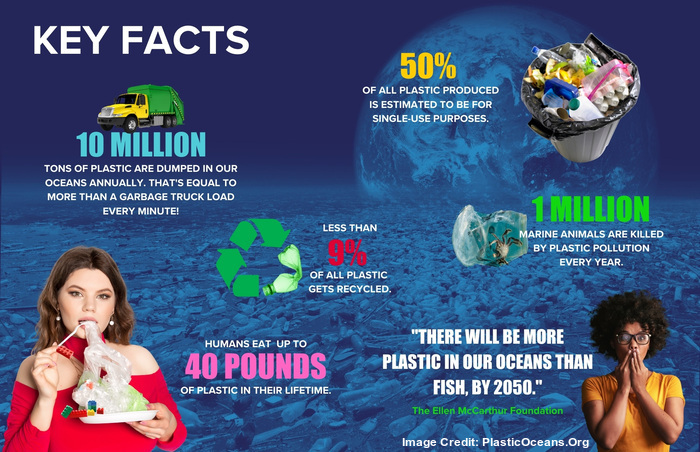
The amount of clothes, shoes, cell phones, computers and food items produced around the world every year is truly unimaginable. Nearly 190,000 clothes are produced every minute, while 2.5 million shoes and about 70,000 cell phones are manufactured every day! As per current data, the world also produces over 400 million tonnes of plastic annually, with estimates ranging around 430 million tonnes, making the statement about 500 million tonnes fairly accurate. The marketing strategies of producers encourage people to purchase new products every day. Hence, people discard clothes, phones and even cars after little use. Those waste materials pass through different hands and eventually end up polluting the environment.
Developed nations send shiploads of waste to Africa and Southeast Asia where those materials pile up. They pollute the environment by entering waterways, landfills and the atmosphere, causing harm to ecosystems and living organisms. Pollution has the greatest impact on the lives of poor people who cannot join the competition triggered by consumerism.
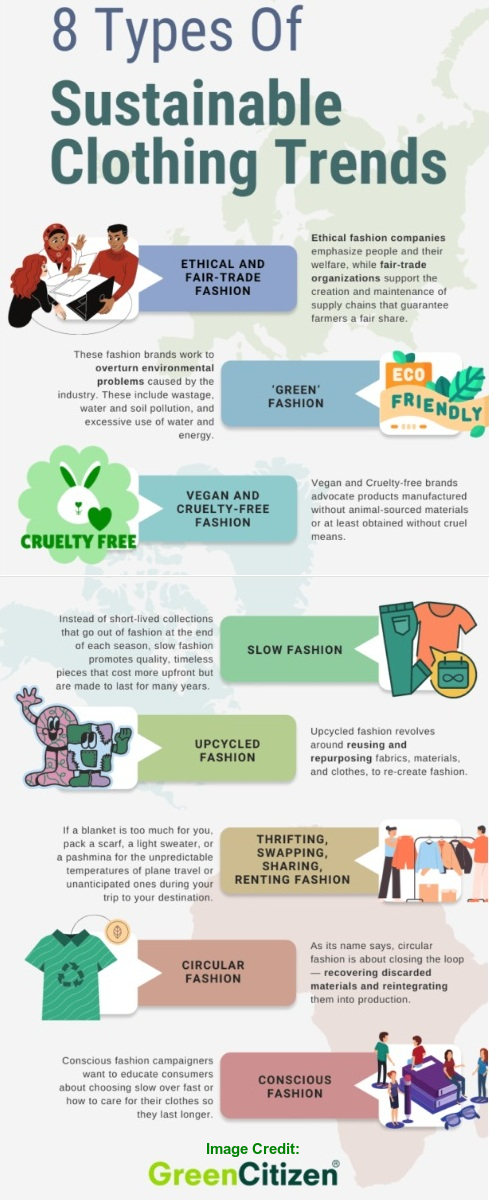
Meanwhile, the conscious people have found a way to escape from this trap… Don’t let the demand get out of control. In that case, one has to use the same things for a few more days. Then, there shall be no need to go to a store in search of new products. In different countries, the Slow Fashion Movement has started encouraging people to buy fewer, higher-quality and more durable garments. It is also known as Lowsumerism. This movement focuses mainly on timeless quality, craftsmanship and attention to detail, apart from encouraging buying fewer, as well as higher-quality, items, rather than purchasing lots of cheap, low-quality items. Slow fashion also supports sustainability by using natural materials, reducing waste and avoiding chemicals. However, only a few conscious businessmen have initiated this process and it is impossible for them to change the entire scenario.
If these conscious businessmen decide to increase profits by ignoring the environmental pollution, then there shall be two consequences: Either they would let themselves be swept away by the current trend or leave the market with the burden of losses. The global community needs awareness, while the governments are required to take initiatives for real change. Governments would certainly enjoy the benefit, if there is an increase in consumer spending. One has to keep in mind that environmental damage has started posing a serious threat to the Global Economy.
Therefore, it is the responsibility of the governments to ensure that business interests do not undermine environmental interests. The governments would have to force businesses to fulfil their green responsibilities and to spread awareness among people. Another important issue is international justice. It is also important to ensure that the poor countries should not bear the burden of the Developed World.
Boundless Ocean of Politics on Facebook
Boundless Ocean of Politics on Twitter
Boundless Ocean of Politics on Linkedin
Contact: kousdas@gmail.com

 ISMC
ISMC Boundless Ocean Of Politics