

A Terrible Laughter: Milan Kundera
Well, there is hardly any creative personality left in the whole continent of Europe who can portray the essential image of the continent, especially after the demise of Jean-Luc Godard (December 3, 1930 – September 13, 2022) and Milan Kundera (April 1, 1929 – July 11, 2023) within a gap of 10 months.
Long time back through his 1965 film Pierrot le Fou, Godard cautioned the global community that “First there was Greek civilisation. Then there was the Renaissance. Now, we are entering the ‘Age of the Ass’“. Spring arrived in Prague and also in Paris a couple of years after the release of this movie, with Kundera publishing his first novel The Joke (Czech: Žert) in 1967. Surprisingly, many wanted to consider this novel as a political manifesto… a declaration against Stalin!

In fact, there is a similarity between all the great creations. Godard used to believe that all texts are ultimately love-letters. Kundera, too, claimed during a television show that The Joke was basically a love story, stressing: “Spare me your Stalinism, please! The Joke is a love story.” It is Kundera who taught his readers how to enjoy the bitterness of coffee. Readers also learned to go beyond the periphery of ethics and morals in search of the Truth from the Czech-French novelist. Kundera further claimed that novels were elevated to the level of verses with the publication of Madame Bovary (originally published as Madame Bovary: Provincial Manners, an 1857 novel by French author Gustave Flaubert). Just like a poet, a true novelist passionately kisses each and every word of his works.
Kundera won the hearts of younger generations not because of his writing style. His readers are well aware of the fact that Kundera disliked the English translation of The Joke and the introduction to the French translation of this work was penned by noted Marxist poet Louis Aragon (October 3, 1897 – December 24, 1982) who used to believe that it was one of the greatest novels of the 20th Century. However, Aragon’s applause failed to satisfy Kundera because the latter was not a domesticated animal! It seems that the Czech Civilisation exposed the greatest scandal of the Nobel Committee as neither Franz Kafka (July 3, 1883 – June 3, 1924) nor Kundera received the Nobel Prize in Literature! And, it would never be possible for the Europeans to correct this mistake.
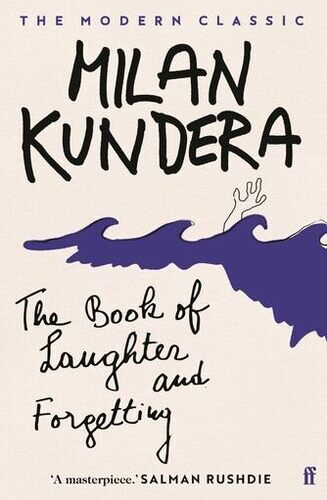
One may discover Kundera’s subversion in a chapter, titled The Angels, of his 1978 novel The Book of Laughter and Forgetting. Here, the author describes how a little girl reads Eugène Ionesco‘s 1959 play Rhinoceros with a discipline that ultimately creates a comic reaction. The moment the girl discovers the joke; the laughter of a Rhinoceros is heard across Europe. Without giving his readers much room to relax, Kundera mentions in the fifth chapter that he had to dance in 1948 when the Communists seized power from the Nazis. Later, he realised that even a philosopher becomes cold and the romantic love fades away with time. “Then one day I said something I would have better left unsaid,” wrote Kundera. Luckily, he did not have to write anything innocuous as he was politically correct.
You may also like: The Lethal Power Of Silence
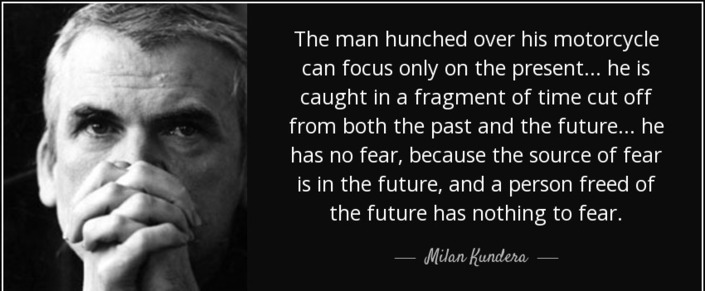
Kundera was not a political writer in a sense, rather a follower of philosophy. He also witnessed the same dance in 1950 when Czech surrealist author Záviš Kalandra (November 10, 1902 – June 27, 1950) was hanged for treason! Kundera urged André Robert Breton and Paul Éluard (born Eugène Émile Paul Grindel), the two representatives of the French Communist Party, to condemn the execution of Kalandra. Later, he mentioned that Éluard was too busy enjoying dance steps in Paris, Moscow, Prague and Athens. In June 1950, Kundera saw Éluard reciting his emotional verses, keeping one of his hands on the shoulder of a young lady in Prague! Éluard also presented a surrealist view of the transformative power of love in his poem A Single Smile, as he wrote: “A single smile disputes/Each star with the gathering night/A single smile for us both“. In other words, if a person is possessed by peace, the smile shall never disappear from her/his face.

Kundera rightly realised that Éluard’s concept of peace was exclusively a European one. One should not compare this grey area between the dream and reality with the works of Gabriel García Márquez or Günter Grass. In fact, Kundera described the resistance of letters as the struggle against oblivion that was the very essence of Europe. Europe, at least in the sense of modernity, agreed to acknowledge the Right to Knowledge as a Fundamental Right. And, young Kundera realised that science, especially applied science, triggered a crisis for the entire continent! Martin Heidegger described this crisis as the forgetting of being.
Kundera used to believe that novels would take an alternative approach to writing history. According to him, novelists, like Miguel de Cervantes Saavedra (September 29, 1547 (assumed) – April 22, 1616), Honoré de Balzac (May 20, 1799 – August 18, 1850), Leo Tolstoy (born Count Lev Nikolayevich Tolstoy; September 9/August 28, 1828 – November 20, 1910) and Paul Thomas Mann (June 6, 1875 – August 12, 1955), set a yardstick (of quality of novels). He was quite convinced that as René Descartes was the proponent of an intelligent world; Cervantes, the author of Don Quixote, was the patron of indecisiveness and hesitation.

According to Kundera, novels should not be interpreted from any moral standpoint as they are a kind of unfinished investigation. He was interested in walking through a border line so that one should not consider Joseph K. (the protagonist of the allegorical novel The Trial by Franz Kafka) as an innocent martyr and the court as a heavenly place for delivering justice. In other words, Kundera totally abandoned the Either-Or Theory.
Kundera used to believe that literary works transcend the author, culture and even history. Just as religious persons worship God, authors also submit before their works. Therefore, it could be easier for him to pen down something like George Orwell‘s 1949 novel Nineteen Eighty-Four in Czechoslovakia, which was one of the signatories of the Warsaw Pact. However, Kundera thought that this particular novel was just a pamphlet of propaganda as Orwell knew the beginning, as well as the end, of it. On the other hand, great authors discover what only novels can discover. For example, Dostoevsky’s Crime and Punishment is not just a thriller as the author made a serious attempt to trace sin, as well as virtue, in this novel. It is difficult to call a tale an adventure if whatever Joseph K. did that occurred in a kind of dream.
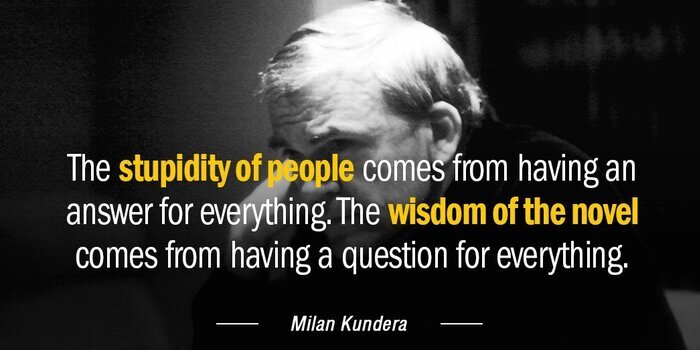
In fact, Kundera was searching for a kind of praxis that was revealed by James Joyce in his 1920 novel Ulysses and celebrated by Flaubert. He tried his best to capture that multi-layered and polyphonic tune in his works. He was not a critic who wanted to deal with the crisis of civilisation. Kundera realised that the soul of Europe became sick and it would be his duty to join the funeral procession of the continent. He did not deliver relief materials, like Noah’s Ark, to the society. Instead, he tried to trace the Truth.
Not everybody enjoys the right to argue with the king of the netherworld. However, people, like Lazarus and Kundera, do enjoy that.
Translated by Koushik Das from the original Bengali article penned by Sanjoy Mukhopadhyay. Mukhopadhyay is a Professor (Retired) of Film Studies at Jadavpur University, Kolkata, India and a Ritwik Ghatak scholar. He is famous for his writings on cultural modernity in India. Mukhopadhyay is also a commentator on social issues.
মহৎ সাজতে কোনও নির্বিষ লেখা লিখতে হয়নি কুন্দেরাকে
আজ এই শ্রাবণের রাতে মিলান কুন্দেরার প্রয়াণ সংবাদে আমার কেবলই মনে পড়ে সুবিনয় মুস্তফী-র কথা। একসঙ্গে বেড়াল ও বেড়ালের মুখে ধরা ইঁদুর হাসাতে এমন আশ্চর্য শক্তি ছিল এই দুই ভুয়দর্শী যুবার! বস্তুত, ইওরোপ, বৈকুণ্ঠ ও নরকের থেকে কত দূরে আছে এটা বোঝানোর জন্য আমাদের মধ্যে আর কোনও ইওরোপিয় স্রষ্টাই রইলেন না। প্রথমে চলে গেলেন প্রায় সমবয়সি জাঁ লুক গোদার আর তারপরেই সওয়া বছরের বড় মিলান কুন্দেরা। গোদার মধ্য ষাটে তাঁর অবিস্মরণীয় ছবি পিয়েরো ল্যো ফু-তে জানিয়েছিলেন, “আমার ইজেরের তলায়….. স্ক্যান্ডাল… তারুণ্যের রেখা। একদা ছিল গ্রিক সভ্যতা, ছিল রেনেসাঁ, এখন আমদের সভ্যতা প্রবেশ করছে পায়ুপথে।’ এই ছবির মাত্র কয়েক বছর পরেই বসন্তের উত্থান প্রাগে ও প্যারিসে। কুন্দেরা দুনিয়ায় পরিচিত হলেন ‘দ্য জোকস’-এর লেখক হিসেবে। আর আশ্চর্য, এই লেখাটিকে আমরা অনেকেই রাজনৈতিক ইস্তেহার হিসেবে পড়তে চেয়েছিলাম। স্তালিনের বিরুদ্ধে জঙ্গি ঘোষণা যেন। কিন্তু সমস্ত মহৎ সৃষ্টিই যেমন হয়, গোদার বলেছিলেন সমস্ত টেক্সটই শেষ পর্যন্ত প্রণয় পত্র, কুন্দেরাও এক টেলিভিশন আলোচনাকে বিলম্বিত করেছিলেন এই বলে যে, জোকস শেষ পর্যন্ত প্রেমের গল্প। “স্পেয়ার মি ইওর স্ট্যালিনিজম, প্লিজ। দ্য জোকস ইজ আ লাভ স্টোরি।” আমাদের যৌবনে মিলান কুন্দেরা আমাদের ভাসিয়েছিলেন তেতো কফির উল্লাসে, বোকা বোকা নীতিকথা ফুৎকারে উড়িয়ে দিয়ে আমরা খুঁজে ফিরছিলাম পাতালের চিরকুট। আর সবচেয়ে বড় কথা যে, বাংলা উপন্যাস তো কবিতা দিয়েই শুরু হয়েছিল; কপালকুণ্ডলা, চতুরঙ্গ, পুতুল নাচের ইতিকথা ও ইছামতী। তাই আমাদের ভালো লেগেছিল যখন কুন্দেরা দাবি করলেন, মাদাম বোভারি প্রকাশের সঙ্গে সঙ্গেই উপন্যাস উন্নীত হয়ে গেছে কবিতার স্তরে আর আর প্রকৃত উপন্যাসিক তাঁর শব্দে ততটাই চুম্বন রাখেন যতটা একজন কবি রাখেন তাঁর প্রতিটা শব্দে।
কুন্দেরাকে আমরা কেন আমাদের আত্মার আত্মীয় ভেবেছিলাম? তিনি বড় লেখক কি মাঝারি, এসব আমাদের মাথায় ছিল না। আমরা জানতাম, জোকসের ইংরাজি অনুবাদ তাঁর অপছন্দ আর ফরাসি অনুবাদের ভূমিকা লিখেছেন অদ্বিতীয় মার্ক্সবাদী কবি লুই আরাগঁ- যাঁর মতে শতাব্দীর অন্যতম মহৎ উপন্যাস এই গ্রন্থ। তবু আমরা দেখলাম কুন্দেরা পোষ মানছেন না। তিনি গৃহপালিত জন্তু নন। সেই জন্যই বোধহয় চেক সভ্যতা থেকে নোবেল কমিটির সবচেয়ে বড় কলঙ্ক উন্মোচিত হচ্ছে- না ফ্রানৎস কাফকা না মিলান কুন্দেরা নোবেল পেলেন। এই নির্বুদ্ধিতা লুকিয়ে ফেলতে সাহেবদেরও অনেক সময় লাগবে। তাঁর দ্য বুক অফ লাফটার অ্যান্ড ফরগেটিং’-এর পাতা উল্টোচ্ছিলাম। সেখানে দেখি, তিনি দেবদূত শিরোনামে একটি পরিচ্ছেদ লিখেছেন আর সেখানেই কুন্দেরার অন্তর্ঘাত আবিষ্কার করি। ইউজিন ইউনেস্কোর ‘গণ্ডার’ পড়া হচ্ছে নিয়মানুগত্যের মধ্যে এবং সেই নিয়ম একটি কমিক প্রতিক্রিয়া তৈরি করছে। যে মুহূর্তে পড়ুয়া বালিকাটি আবিষ্কার করে এই কৌতুক সঙ্গে সঙ্গে ইওরোপ জুড়ে গণ্ডারের অট্টহাসি শোনা যায়। এরপর কুন্দেরা আমাদের কোনও বিস্ময়ের অবকাশ না রেখে পঞ্চম পরিচ্ছেদে একটা নাচের কথা বলেন যা তিনি স্বয়ং নেচেছিলেন ১৯৪৮ সালে যখন নাৎসিদের হাত থেকে কমিউনিস্টরা ক্ষমতা কেড়ে নেয় এবং তিনি পার্টি সদস্য। তারপর একদিন বুঝলেন, দার্শনিকও হিম হয়, প্রণয়ের সম্রাজ্ঞীরাও মলিন হয়ে আসে। যা বলার ছিল তা না বলা হলেই ভালো হতো। “দেন ওয়ান ডে আই সেইড সামথিং আই উড বেটার লেফট আনসেইড।” এই অকথিত শব্দমালাই তিনি সারাজীবন সাংকেতিক ভাষায় প্রকাশ করে গেছেন। ভাগ্যিস পলিটিক্যালি কারেক্ট থাকার জন্য তাঁকে কোনও নির্বিষ লেখা লিখতে হয়নি।
মিলান কুন্দেরা সেই অর্থে রাজনৈতিক লেখক নন বরং তিনি দর্শনের অনুবর্তী। এই নাচ তিনি ১৯৫০ সালেও দেখেছিলেন যখন একজন সুররিয়ালিস্ট লেখক কালান্দ্রাকে ফাঁসিতে ঝুলিয়ে দেওয়া হলো দেশদ্রোহীতার অপরাধে। আর্ত কুন্দেরা তখন ফরাসি সাম্যবাদী দলের প্রতিনিধি আন্দ্রে ব্রেতোঁ ও পল এলুয়ারকে অনুরোধ করেছিলেন প্রতিবাদ জানাতে। কিন্তু কী মর্মান্তিক হাহাকারে কুন্দেরা লিখলেন, এলুয়ার বড় ব্যস্ত ছিলেন প্যারিস, মস্কো, প্রাগ এথেন্সে নাচের স্টেপগুলো দেখতে। এবং এই জুন মাসেই কুন্দেরা দেখলেন এলুয়ার তাঁর ভাবাবেগময় কবিতা পড়ে চলেছেন প্রাগেই একটি তরুণীর কাঁধে হাত রেখে আর জানাচ্ছেন, যদি কোনও মানুষ শান্তির দ্বারা অধিকৃত হয় তাঁর মুখ থেকে হাসি মুছে যাবে না। কুন্দেরা চাপা বিদ্রূপে চলে গেলেন, হায় হাসি, হায় দেবদারু, কী করে বুঝব কোনটা হাসি কোনটা শান্তি, এই যে লেখা তা একান্তভাবেই ইওরোপিয়। এই স্বপ্ন ও বাস্তবের অন্তবর্তী প্রতিবেদনকে আমি গার্সিয়া মার্কেজ, গুন্টার গ্রাসের সঙ্গে তুলনা করব না। অক্ষরের প্রতিরোধ বলতে যে বিস্মরণের বিরুদ্ধে সংগ্রামের কথা কুন্দেরা বলেন তা আসলে ইওরোপের মূল প্রাণসত্ত্বার সন্ধান। ইওরোপ অন্তত আধুনিকতার অর্থে বুঝেছিল, জ্ঞানের অধিকার তার মৌলিক অধিকার। আর কুন্দেরা তরুণ বয়সে উপলব্ধি করছিলেন যে বিজ্ঞান, বিশেষত প্রায়োগিক বিজ্ঞান এসে ইওরোপ মহাদেশকে এমনভাবে প্লাবিত করেছে যে তার প্রধান সঙ্কট হয়ে হয়ে দাড়িয়েছে, হাইডেগারের ভাষায় ‘দ্য ফরগেটিং অব বিয়িং’। কুন্দেরা মনে করেছিলেন যে, উপন্যাস এক বিকল্প পন্থা নেবে ইতিহাস লেখার জন্য। যে জন্য তিনি থেরভান্তেস, বালজাক, তলস্তয়, টমাস মানকে খেয়াল করছিলেন। নজর রাখছিলেন তাঁরই স্বদেশবাসী ফ্রানৎস কাফকার দিকেও। এবং ক্রমশই তাঁর এই বিশ্বাস বদ্ধমূল হচ্ছিল যে, দেকার্তে যদি বুদ্ধিমান জগতের প্রবক্তা হন তাহলে দোলাচল এবং দ্বিধাগ্রস্ততার অন্য মেরু ডন কুইকজোটের লেখক থেরভান্তেস । আর উপন্যাসকে কোনও নৈতিক অবস্থান দিয়ে ব্যাখ্যা করা যাবে না, তা একধরনের অসমাপ্ত তদন্ত কার্য। তিনি চাইছিলেন এমন এক সীমান্তবর্তী পথ যা জোসেফ কে-কে নিষ্পাপ শহিদ মনে করে না আবার আদালতকেও স্বর্গীয় বিচারালয় মনে করে না। ‘আইদার-অর’ তত্ত্বটি তিনি সমূহ পরিত্যাগ করেছিলেন।
কুন্দেরা জানতেন, লেখা লেখককে অতিক্রম করে যায়। ধার্মিকরা যেভাবে ঈশ্বরের উপাসনা করে, কমলকুমার মজুমদার যেমন বলেন, ‘লেখাও একরূপ তাহাকে ডাকা’- মিলান কুন্দেরা ঠিক তাই মনে করতেন। ওয়ারশ চুক্তিভুক্ত চেকোস্লোভাকিয়ায় তাই তার পক্ষে সহজ ছিল জর্জ অরওয়েলের মতো কোনও ১৯৮৪ লেখা। অথচ কুন্দেরা মনে করলেন, এই উপন্যাস একটি প্রচার পুস্তিকা হতে পারে কারণ তার উৎস এবং সমাপ্তি আগে থেকেই অরওয়েলের জানা ৷ অন্যদিকে, বড় লেখকরা তাই আবিষ্কার করেন যা উপন্যাসই আবিষ্কার করতে পারে। যেমন দস্তয়ভস্কি ক্রাইম অ্যান্ড পানিশমেন্ট উপন্যাসে থ্রিলার টপকে চলে গেলেন পাপ ও পুণ্যের পরপারে। আমরা কাকে রোমাঞ্চকর অভিযান বলব যদি কাফকার নায়ক জোসেফ কে-র সমস্ত আচরণই এক ধরনের স্বপ্নে ঘটে থাকে? আসলে মিলান এক ধরনের প্যাকসিসের সন্ধান করছিলেন ফোনেযার যা উদযাপন করেন তা জেমস জয়েসের ইউলিসিসে উন্মোচিত হয়। আর সেই বহুস্রোত ও বহুস্বর সমন্বিত সঙ্গীতকেই মিলান কুন্দেরা পেতে চেয়েছিলেন তাঁর রচনার পর রচনায়। তিনি নেহাত সমালোচক নন, সভ্যতার সংকটও তাঁর উপজীব্য নয় । তিনি জানতেন ইওরোপের আত্মা রুগ্ন হয়ে পড়েছে। তাঁর কর্তব্য হচ্ছে এই মহাদেশের অন্ত্যেষ্টিতে পা মেলানো । দূর ভারতবর্ষ থেকে আমি মিলান কুন্দেরাকে শ্রদ্ধা জানাই, তার কারণ তিনি ঈশপের নীতিমালা প্রণয়ন করেননি, বার্তাজীবী সমাজে নোয়ার নৌকাবৎ ত্রাণসামগ্রী পৌঁছে দেননি, বরং অনেকদিন বাদে তাঁর লেখায় আমরা আবিষ্কার করেছিলাম হত্যা ঝলমলে ফাঁসির কাঠ। লেখকের অন্তিম কাজ তো সত্যকে দেখা। যমালয়ে প্রশ্ন করার অধিকার সবার থাকে না। নচিকেতা ও মিলান কুন্দেরার থাকে।

বিদায় কুন্দেরা।
সঞ্জয় মুখোপাধ্যায় (July 16, 2023)

Boundless Ocean of Politics on Facebook
Boundless Ocean of Politics on Twitter
Boundless Ocean of Politics on Linkedin
Contact: kousdas@gmail.com

 ISMC
ISMC Boundless Ocean Of Politics
1 Comment »