

Mythical Misunderstandings
In the complex weave of international relations, myths and archetypes shape the narratives that define nations’ perceptions of each other. Nowhere is this more evident than in the relationship between Russia and the US, where entrenched myths obscure nuance and distort clear perception. The enduring power of these myths influences strategic decisions and, significantly, plays a pivotal role in the ongoing war in Ukraine.
Joseph Campbell‘s insight that “mythology is not a lie; it is metaphorical” underscores the profound impact of myths on national identities. Russia perceives the US as a hegemonic power, driven by ruthless ambition behind a veneer of liberal principles. Conversely, Americans see Russia as an autocratic entity, with an omnipotent leader running roughshod over citizens’ desires. These myths, deeply embedded over centuries, now structure the US-Russian relationship, contributing to misunderstandings and missed opportunities.

The Russian myth of an all-powerful US, hungry for global dominance, hampers Moscow’s ability to negotiate regionally. The belief in American manipulation and coercion blinds Russia to the complexities of international politics and limits diplomatic flexibility. Conversely, the US myth of an unadulterated Russian autocracy overlooks domestic politics, hindering the understanding of Russia’s motivations and constraints.
The war in Ukraine serves as a stark example of how these myths perpetuate a cycle of escalating preconceptions. Russia’s conviction of contesting the US hegemony reinforces the perception of a maniacal autocracy in Washington DC. Simultaneously, the US’ framing of the conflict as a battle against a lone tyrant fuels Moscow’s belief in American hegemonic aims. This reinforcing cycle heightens tensions and hinders diplomatic resolution.
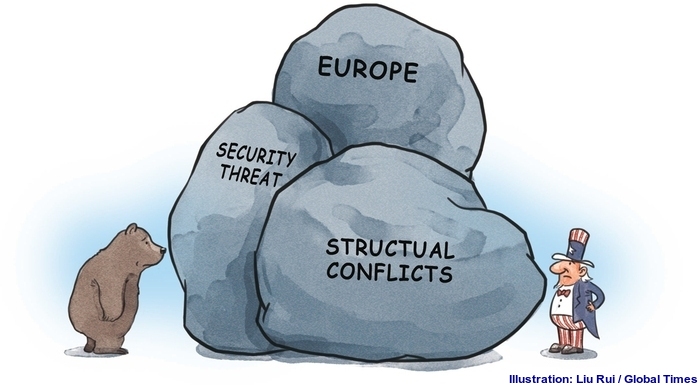
To navigate this intricate web of myths, US leaders must rise above preconceived notions and strive for a more nuanced understanding. Recognising Russia’s internal complexities, rather than subscribing to the myth of a monolithic state, provides opportunities for strategic engagement. Similarly, acknowledging the myth of US omnipotence allows for a more realistic appraisal of American actions and motivations.
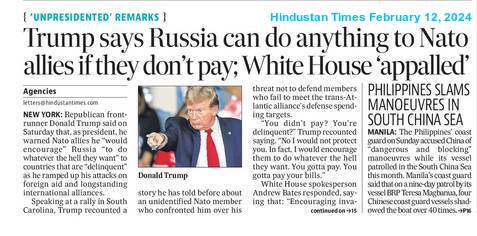
As both nations grapple with deeply ingrained myths, fostering strategic empathy becomes essential. Disrupting these myths, though challenging, offers the potential for more effective diplomacy and a clearer path towards conflict resolution. The enduring truths about human nature lie not in static myths, but in the dynamic complexity of reality – an understanding that should guide sound strategy and agile diplomacy in the ever-evolving landscape of international relations.
Talk Diplomacy first published this article on February 4, 2024.
Boundless Ocean of Politics on Facebook
Boundless Ocean of Politics on Twitter
Boundless Ocean of Politics on Linkedin
Contact: kousdas@gmail.com

 ISMC
ISMC Boundless Ocean Of Politics