

Najaf: Home To World’s Largest Graveyard
One can find neither a single tree nor a bird in that open desert. Only graves are lined up for miles there, and millions of corpses lie beneath the ground. Wadi al-Salam, the largest cemetery in the world, is situated in the holy city of Najaf, Iraq. More than six million people are believed to have been buried in Wadi al-Salam. The cemetery is popularly known as the Valley of Peace. According to UNESCO, this is the final resting place of several prophets, scientists and members of the Royal Family.
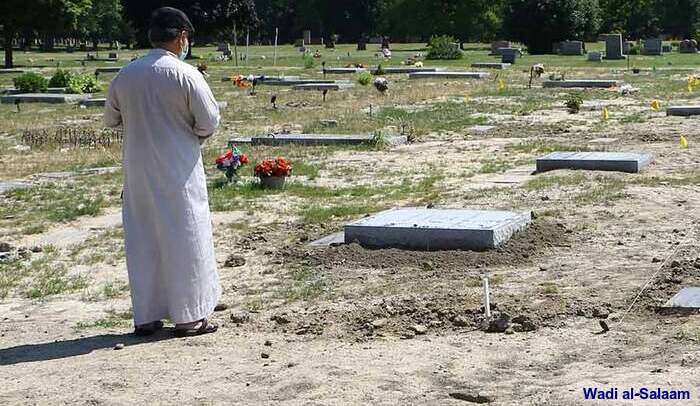
The cemetery extends from the centre of Najaf to the northwestern part of the city, covering about 13% of Najaf. It is gradually expanding. Reuters reported in 2021 that the cemetery was expanding at twice the normal rate. Drone images of the Wadi al-Salaam could be mistaken for a city, as the tombs look like narrow buildings from above.

As per UNESCO data, the cemetery covers 1,485.5 acres of land. In other words, more than 1,700 football fields will fit there! It attracts millions of pilgrims annually. UNESCO has claimed that Wadi al-Salam dates back to the Middle Ages. Among those buried here are the Kings of Al-Hirah (an ancient city in Mesopotamia located south of what is now Kufa in south-central Iraq) and the sultans and leaders of the al-Sassanid Period (AD 224 to AD 651). This cemetery also contains the tombs of the Princes of the Kingdoms of Al-Hamdaniya, Fatimid, Al-Budaiya, Safavid, Qajar and Zalariya.

Most of the tombs in Wadi al-Salaam are inconsistent in size and height. Graves of famous people are usually elevated. The cemetery contains the tombs of several noted personalities, including Ali ibn Abi Talib ibn Abd al-Muttalib (CE 600 – January 28, 661), the fourth and last Caliph of the Rashidun Caliphate and the son-in-law of Prophet Muhammad (PBUH). Najaf was built around the cemetery of Ali. Wadi al-Salam is also considered a unique historic landmark. It represents a traditional system of the usage of lands.

Al-Jazeera has reported that Wadi al-Salam is an important burial site for Shīʿite Muslims around the world, as nearly 50,000 people are buried there every year. Meanwhile, AFP has claimed that it would cost USD 1,019 to bury a body at this cemetery, while the price of a tombstone is around USD 192.
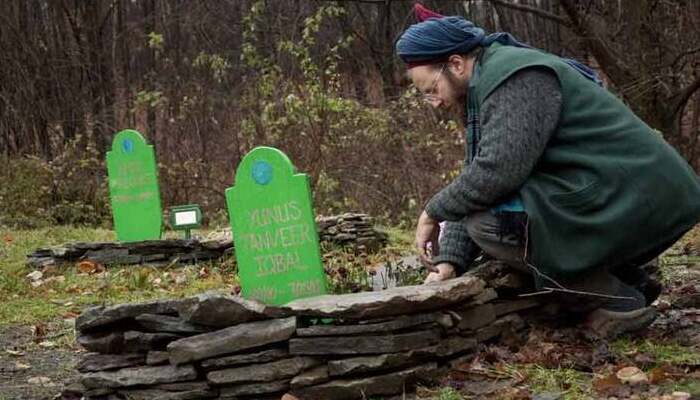
Many believe that Wadi al-Salam is like a labyrinth. There are no guides or maps to explore the city of Najaf. It is believed that between 200 and 250 bodies were buried in Wadi al-Salam each day during the Gulf War. The number has been slowly decreasing since 2010.
Boundless Ocean of Politics on Facebook
Boundless Ocean of Politics on Twitter
Boundless Ocean of Politics on Linkedin
Contact: kousdas@gmail.com

 ISMC
ISMC Boundless Ocean Of Politics