

The Return Of QUAD
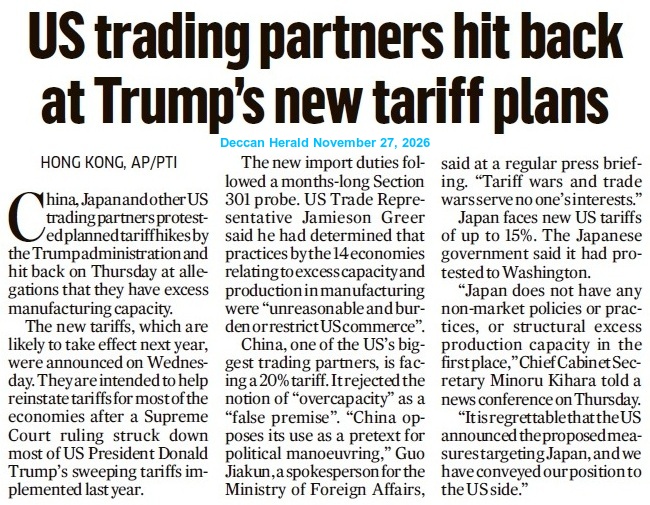
A great relief after two long years… The QUAD meeting on the sidelines of the recently held ASEAN Summit in Manila, the Philippines has largely dispelled the clouds of uncertainty that had gathered over the future of the diplomatic, as well as security, partnership among Australia, India, Japan and the US. The future of QUAD, a grouping of Australia, India, Japan and the US, became uncertain mainly because of the conservative policies and tariff-based diplomacy of the second Donald Trump Administration.
In the joint declaration issued following the summit, the Heads of four States unequivocally stated that the QUAD was not merely a forum for discussion, but rather a pragmatic partnership aimed at achieving regional peace, stability and prosperity. Although the joint declaration did not explicitly mention China, it strongly opposed any attempt to disrupt the regional status quo through the use of force or unilateral, coercive measures. At the same time, the leaders of Australia, India, Japan and the US pledged to maintain free navigation, freedom of the airspace and secure commercial corridors in the Indo-Pacific Region.
China has made a serious effort to stamp its authority in the Indo-Pacific Region by linking trade with geopolitics. In the pretext of boosting trade, the Asian Giant has resorted to economic coercion by imposing restrictions on the export of rare minerals and weaponizing monopolistic supply chains. Beijing is also expanding its military and strategic influence in this particular region. To achieve this, China has started constructing artificial islands in the South and East China Seas, apart from encroaching the territorial waters of neighbouring countries.
The QUAD has made a number of practical decisions at the Manila conference to counter China’s growing aggression. An agreement has been reached to establish alternative supply chains for critical mineral resources, with the aim of reducing reliance on any single country. Furthermore, military aircraft of Australia, India, Japan and the US will conduct a joint exercise for the first time in 2027 under the Indo-Pacific Maritime Surveillance Collaboration in order to enhance maritime surveillance. The QUAD has also decided to expand cable connectivity on the floor of the Indian Ocean, strengthen cybersecurity and provide fundings for the advancement of safe Artificial Intelligence (AI).
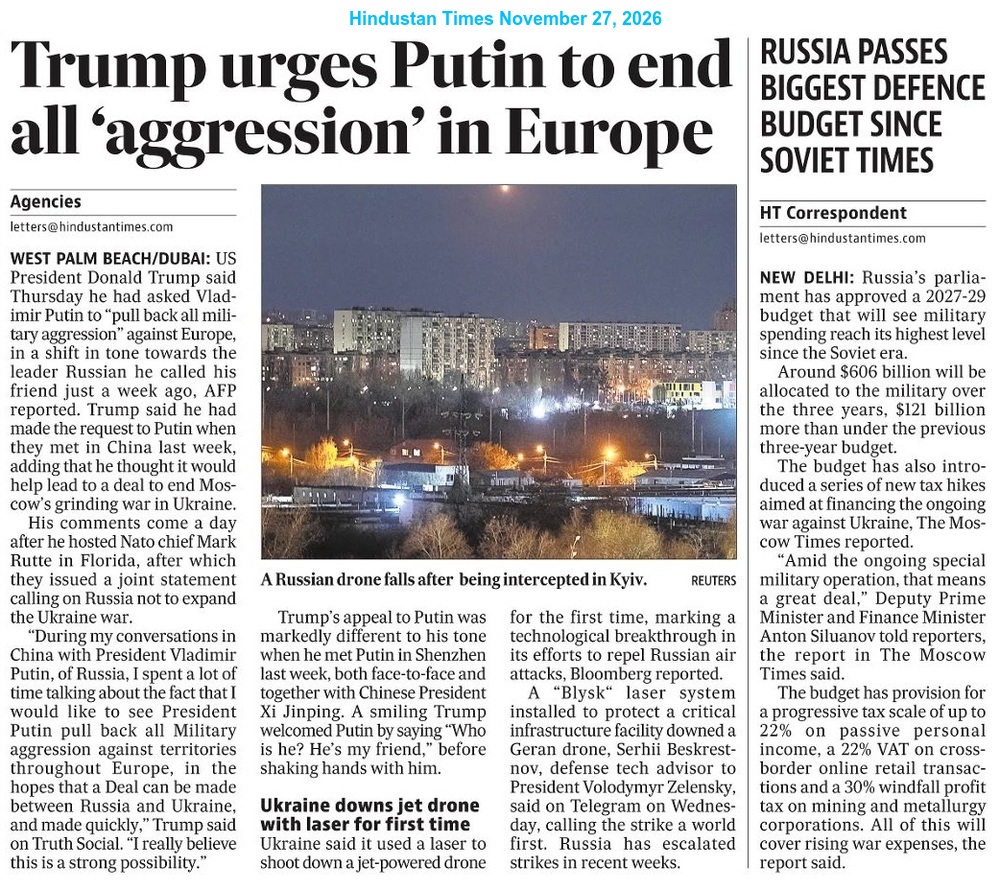
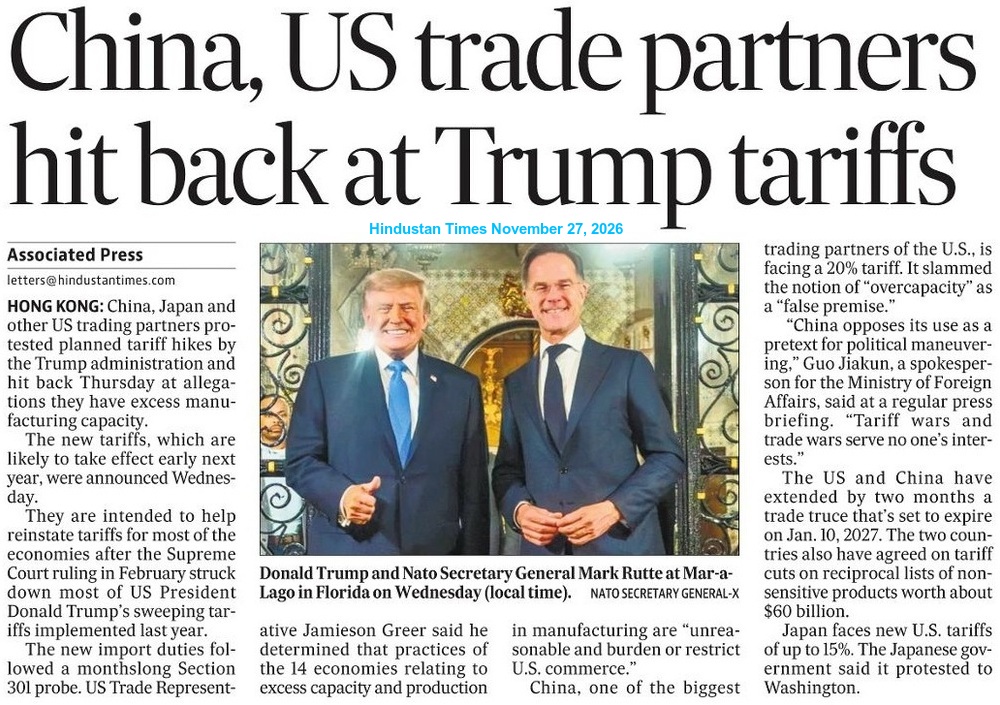
The new post-Trump equation was one of the key topics of discussion at the conference of QUAD leaders. The 2025 QUAD Summit in India was cancelled due to tariff disputes, geopolitical tensions and reluctance on the part of Washington DC. However, the situation was different this time. Given that President Trump was scheduled to hold a trilateral meeting with his Chinese counterpart Xi Jinping and Russian President Vladimir Vladimirovich Putin in Shenzhen shortly after the Manila Summit, the anti-China tone was significantly restrained in the joint statement issued by QUAD. Yet, the presence of President Trump demonstrates that the QUAD remains relevant to the US in managing China.
Although the Manila Summit has given fresh momentum to the QUAD, countering China’s growing influence requires more than just issuing a joint statement. It demands the swift implementation of commitments. And for this, it is essential to resolve internal differences among the member countries. Only collective actions by the QUAD members to safeguard peace and stability in the Indo-Pacific Region can shape the course of global geopolitics in the days to come.
Meanwhile,




Boundless Ocean of Politics on Facebook
Boundless Ocean of Politics on Twitter
Boundless Ocean of Politics on Linkedin
Contact us: kousdas@gmail.com

 ISMC

