

An Uncertain Change
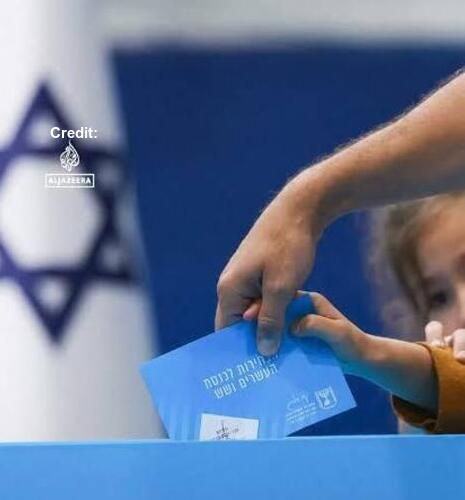
The results of Israel’s General Elections have pushed the Jewish Nation into an unprecedented, as well as complex, political crisis. Although a record 77.9% of votes were cast, the verdict did not grant any single party or alliance a mandate to form the government. Instead, it highlighted a deep political divide.
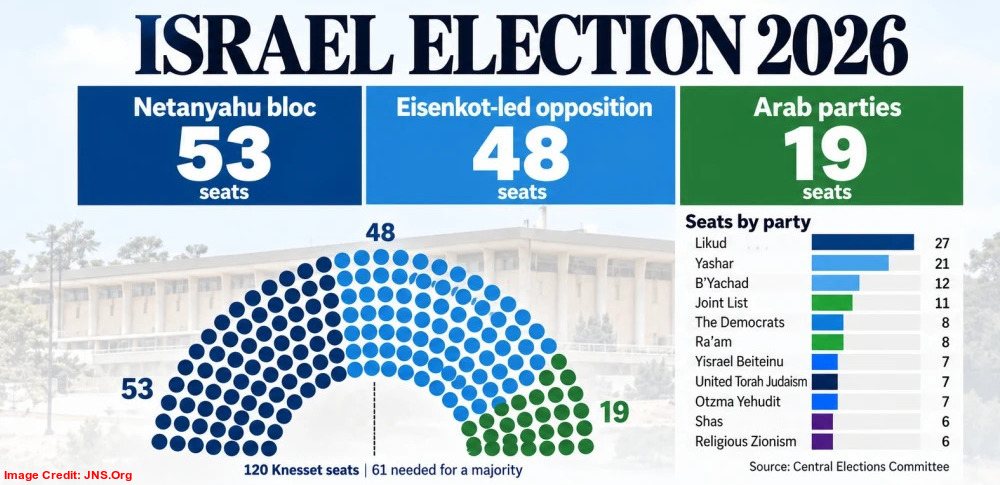
In the 120-seat Knesset (the Parliament of Israel), at least 61 seats are required for a majority. However, outgoing Prime Minister Benjamin ‘Bibi’ Netanyahu’s right-wing coalition has secured only 53 seats, while the opposition alliance led by Gadi Eisenkot has won 48 seats. With no side securing a majority, a dark cloud of uncertainty (a Hung Parliament) persist within the corridors of power in Tel Aviv.
Although the uncertainty will soon dissipate, it has raised a number of questions. The most important one is: Have the Israelis completely rejected Netanyahu? The election results hint that while voters have diminished his power, they have not cast him aside completely. The relentless war following the Israel-Hamas conflict that began in October 2023, the economic crisis and the growing isolation of Israel on the global stage have led to a sharp decline in Netanyahu’s popularity. As the hardline segment of Jewish voters continues to place its trust in his ultra-nationalist policies, Netanyahu has not yet become completely irrelevant in national politics.
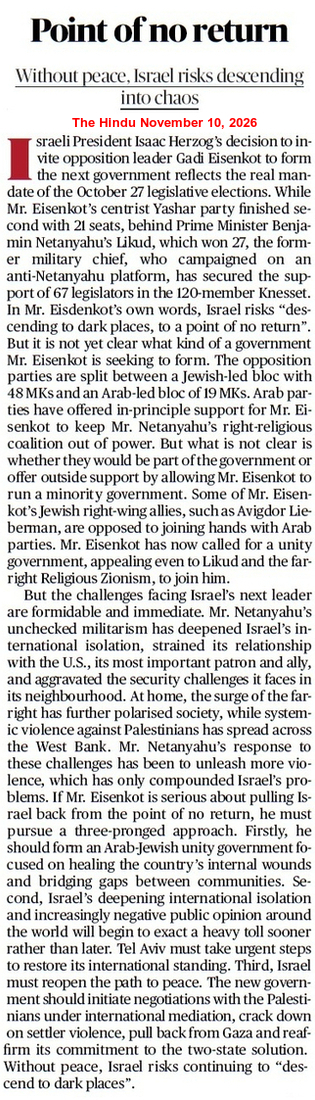
Interestingly, voters did not choose the opponent of Netanyahu, in spite of public dissatisfaction with the outgoing Prime Minister. According to political analysts, the secular, centrist coalition led by Eisenkot failed to secure the Absolute Majority mainly because of its intense ideological dilemmas regarding security policy and national identity. In fact, the sole common goal of this camp was opposing Netanyahu. They failed to present any credible and visionary alternative direction regarding the national economy, the Palestinian issue or military-strategic crises.
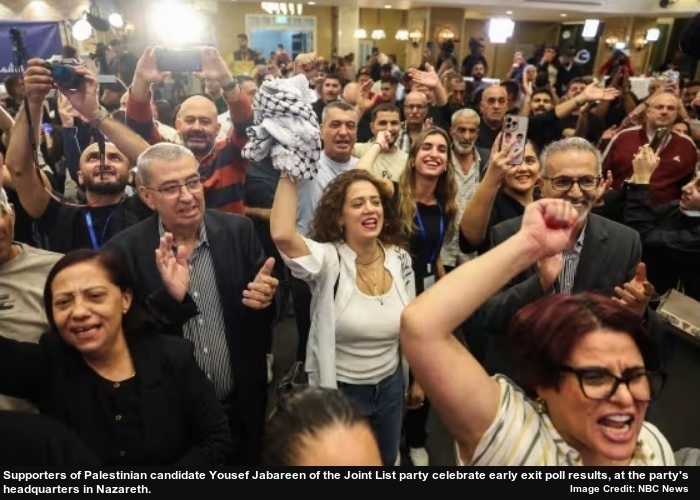
Meanwhile, the most striking aspect of the 2026 General Elections is the historic success of the Arab parties. By winning a record 19 seats, the two Arab party lists – The Joint List and the Ra’am – have demonstrated that Israel’s 20% Arab citizens have chosen the ballot as their best weapon against discrimination. A record 80% of Arab voters reportedly cast their ballots to safeguard their existence and rights against the aggression of a hardline extremist government.
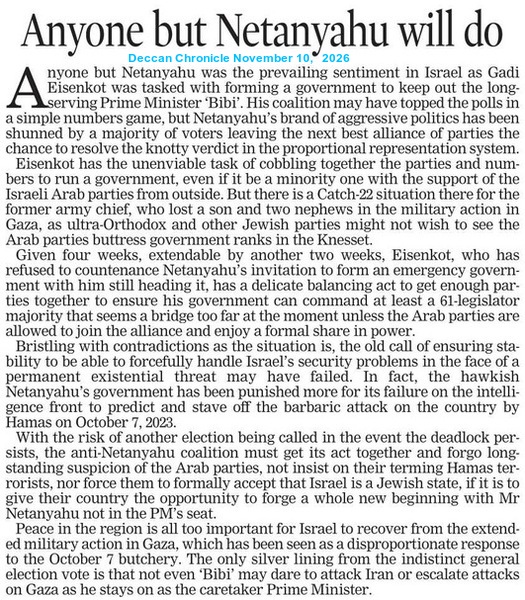
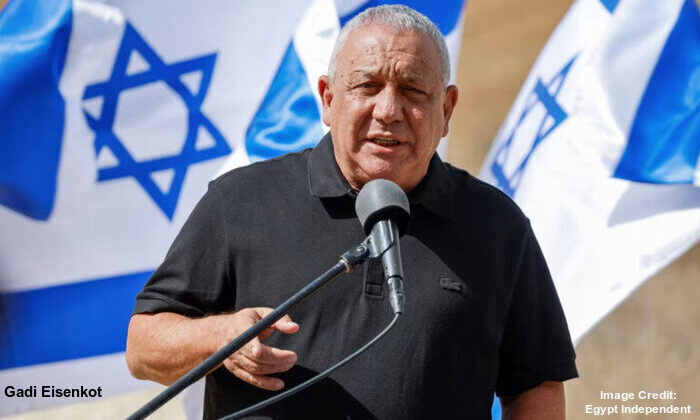
The political significance of this fragmented mandate is far-reaching. Israeli President Isaac Herzog has selected opposition leader Eisenkot of the Yashar Party to lead the formation of the next government. Based on analysis of current political developments, the primary paths forward to resolve the current impasse include:
A National Unity Government: This option would involve a coalition combining Netanyahu’s Likud Party with centrist elements, potentially involving figures, like Eisenkot, to establish a stable majority. The primary trade-off is the significant ideological friction and historical distrust between the factions, making such an alignment fragile.

An Opposition-Led Minority Government: This scenario relies on the current opposition coalition forming a government that does not command an absolute majority on its own, but is sustained through the indirect or outside support of Arab parties. The main challenge is the inherent political instability and vulnerability to no-confidence motions.
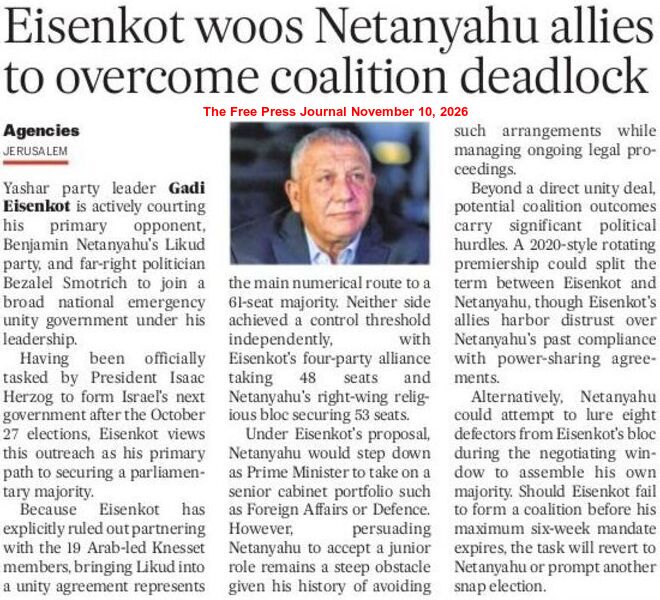
Fresh Snap Elections: If neither side can successfully negotiate a stable coalition or alternative arrangement, the default statutory outcome will trigger early General Elections in 2027. This path could lead to prolonged legislative paralysis and deepen public exhaustion with the political deadlock.
Yet, the fact even more significant than the political equations is the profound domestic polarisation within Israeli society. It remains to be seen in which direction Israel heads once it sails through this difficult phase.
Meanwhile,
Boundless Ocean of Politics on Facebook
Boundless Ocean of Politics on Twitter
Boundless Ocean of Politics on Linkedin
Contact us: kousdas@gmail.com

 ISMC

