

This Is Why Iran Changes Military Strategy
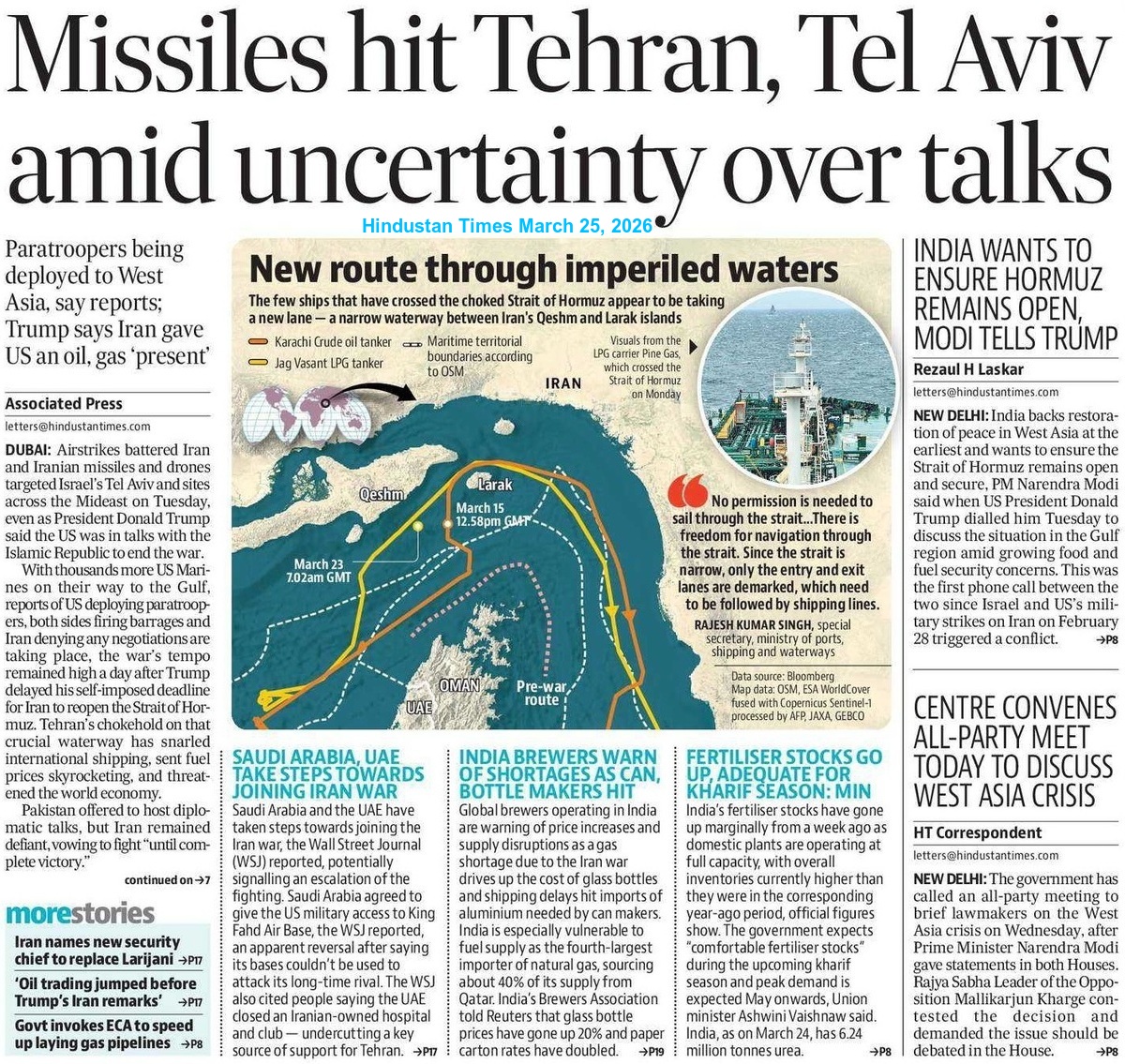
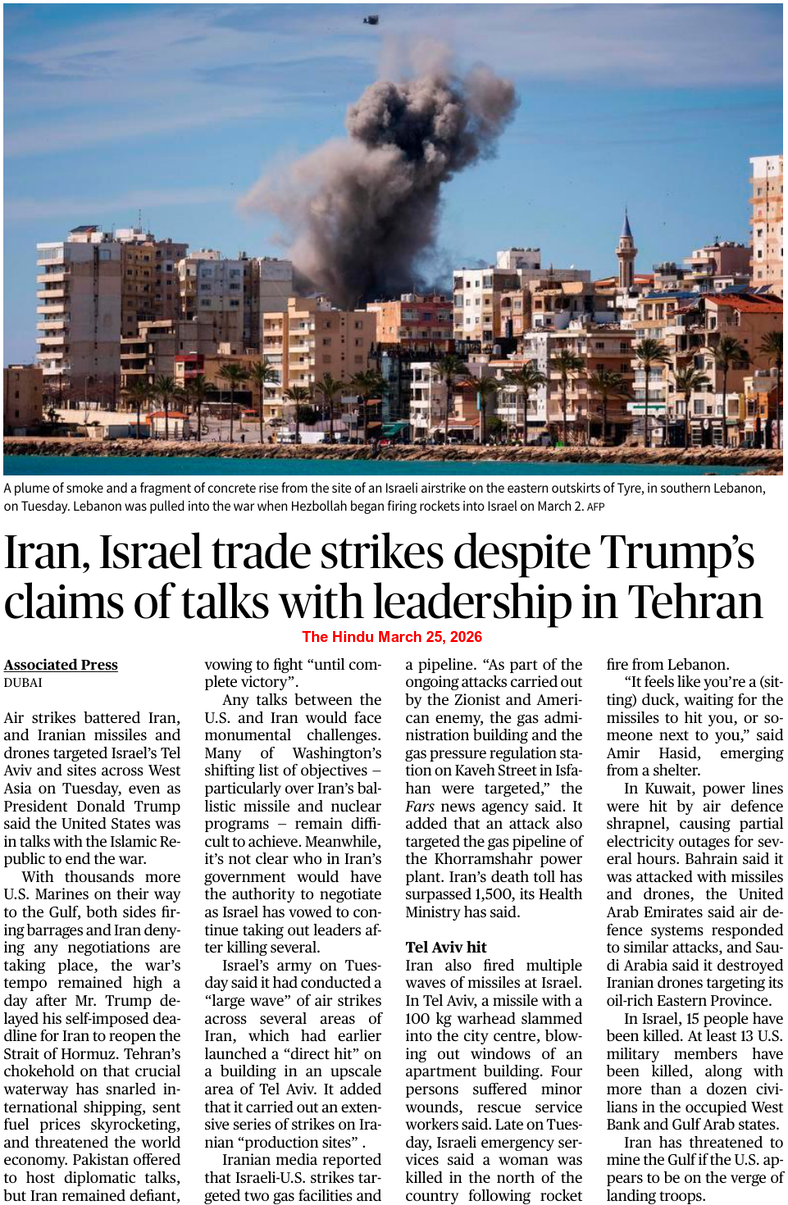
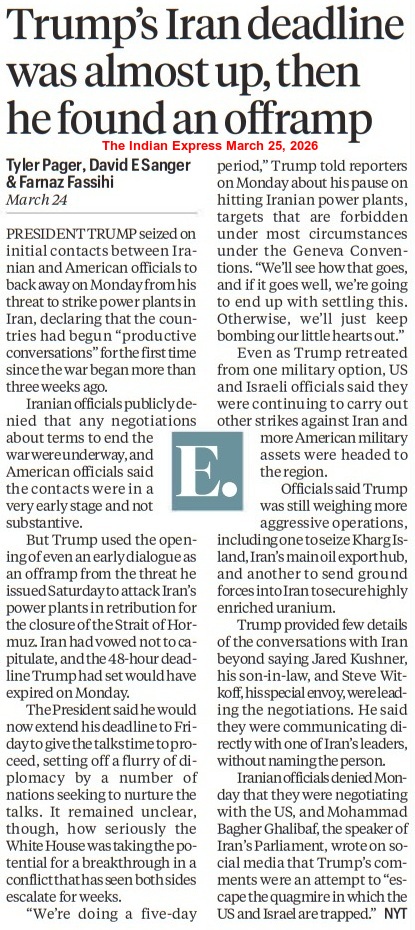
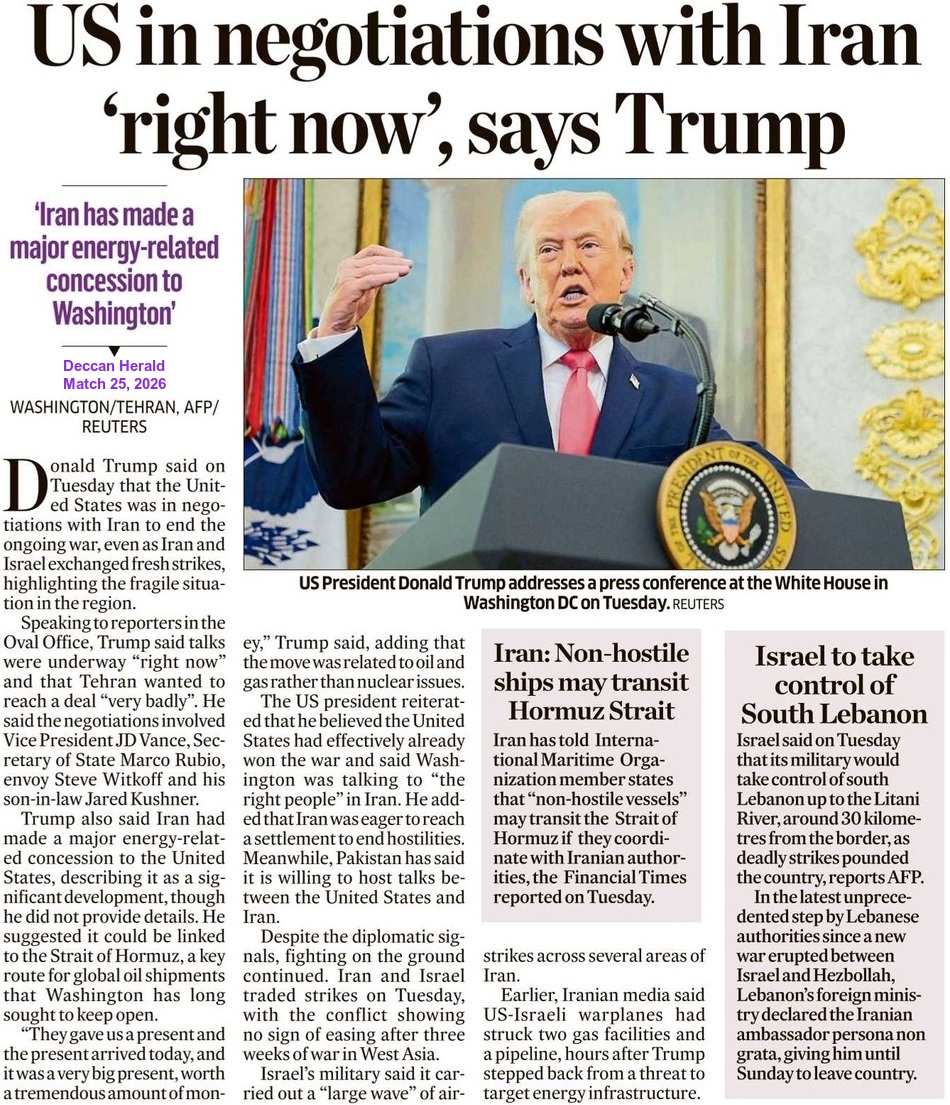
Prior to the outbreak of military conflict in West Asia on February 28, 2026, Iran reportedly possessed an estimated 2,500-3,000+ ballistic missiles. Citing data from the Israeli think tank Alma Research Centre, The Times has reported that the figure has now dropped to 1,000. Perhaps, it has prompted the Islamic Republic to reduce the use of ballistic missiles.
At the same time, The Times has claimed that Tehran has started making preparations to rapidly replenish its missile stockpile. However, the Iranian media outlets have dismissed the claim as fake, stressing that the Western media are intentionally spreading rumours in an attempt to misinform the global community. They quoted a senior spokesperson of the Islamic Revolutionary Guard Corps (IRGC) as saying that Tehran possesses the capability to sustain the ongoing conflict for a significantly longer duration.
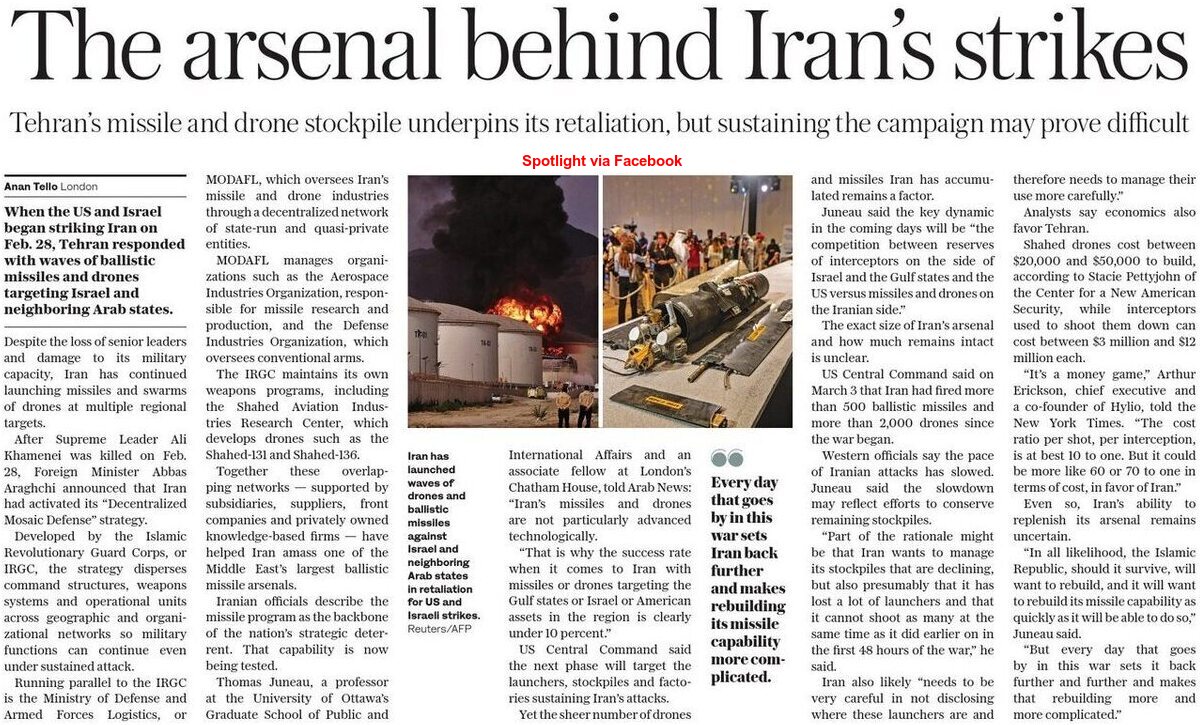
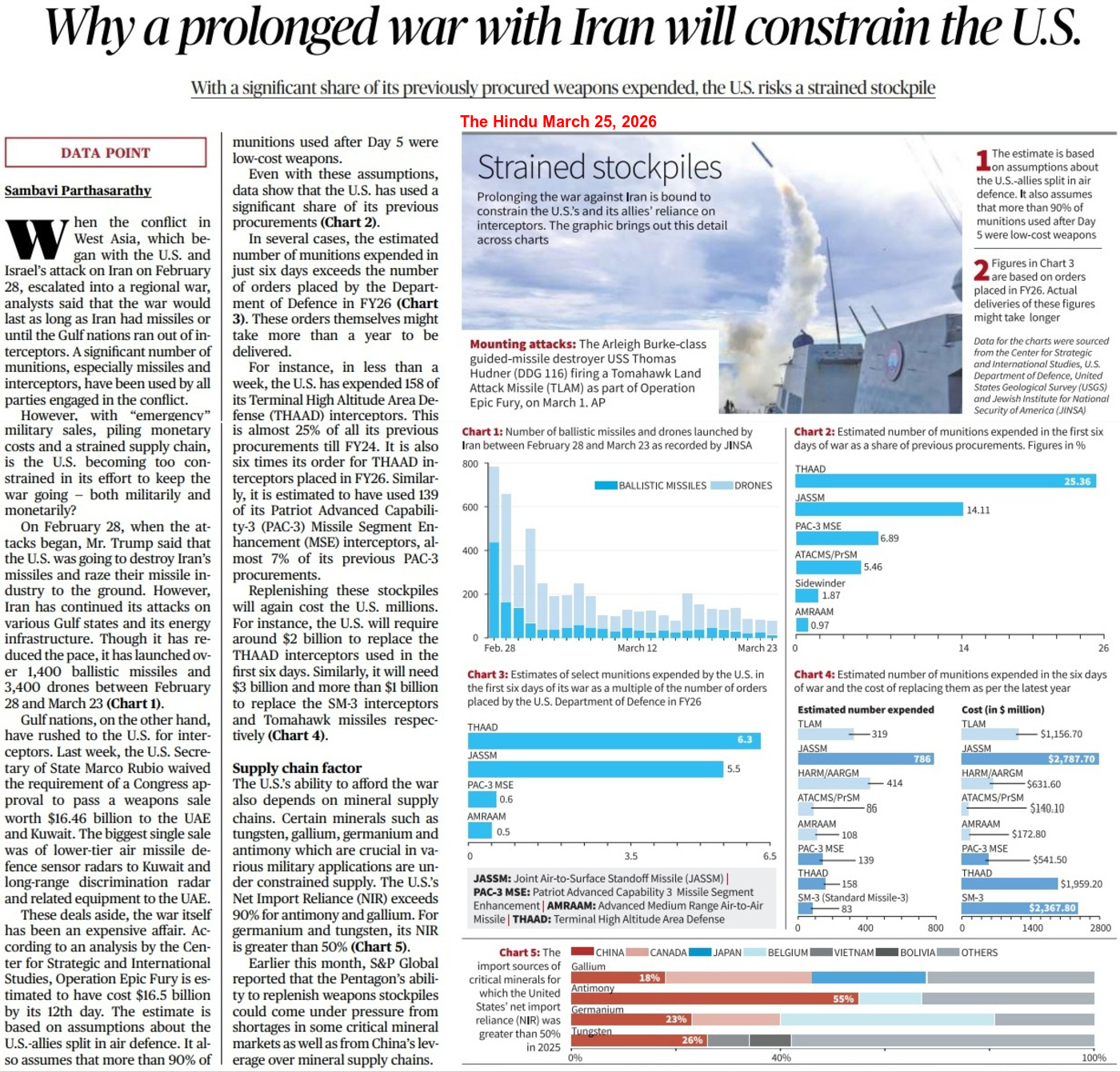
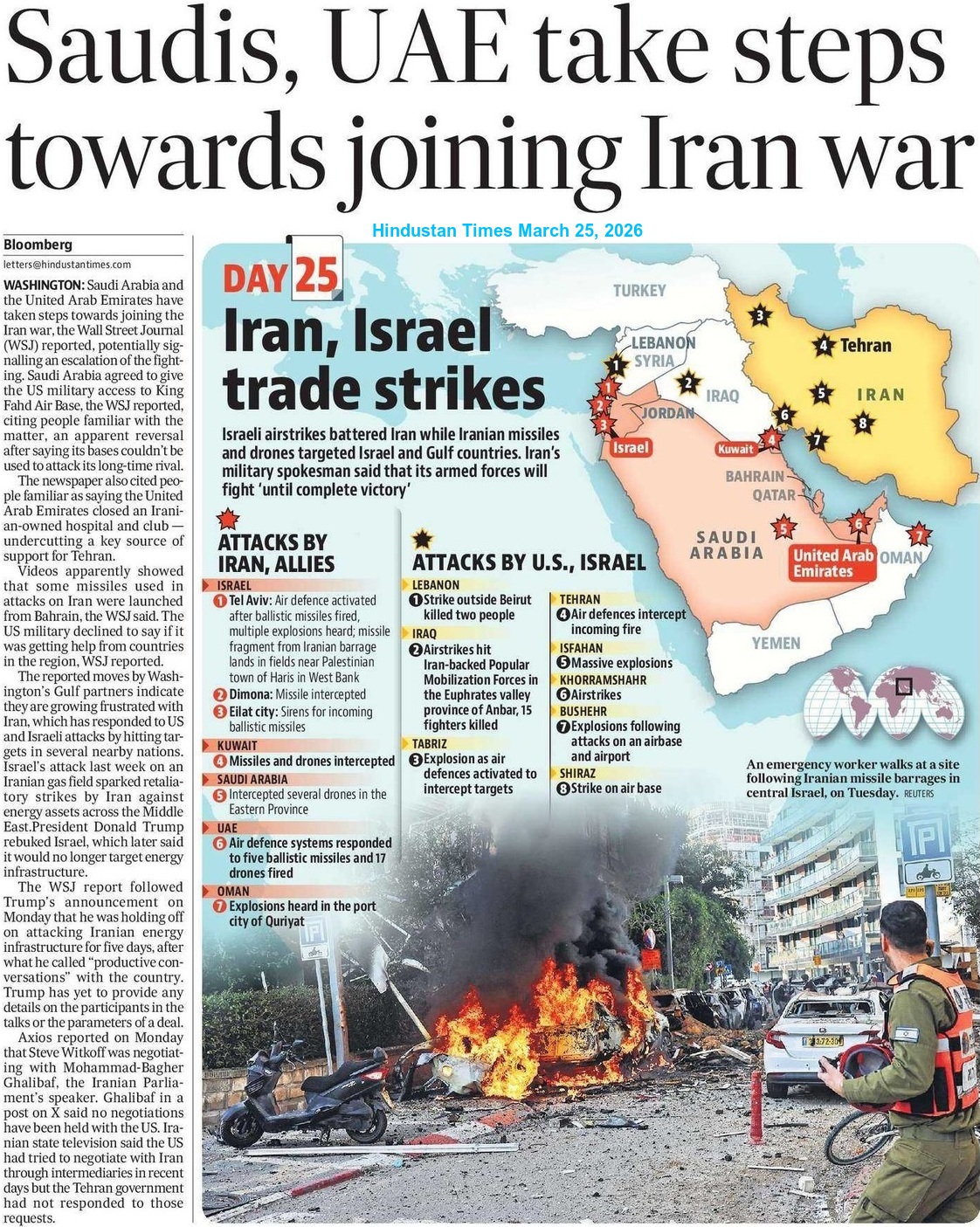
Given the manner in which Iran has sustained its military operations against the US and Israel over the past four weeks, it is believed that even if its arms stockpile face depletion, the West Asian nation is simultaneously continuing its efforts to replenish the shortages. Although the IRGC used drones and missiles in the initial stages of the conflict, they have now adopted a different strategy as far as the deployment of weapons is concerned.
According to the Alma Research Centre, Iran had around 1,500 missiles during its 12-day military conflict with the US and Israel in June (13-24) 2025. Tehran has produced another 1,000 missiles over the past eight months. Hence, it would not be possible for the US and Israel to completely obliterate Iran’s missile capabilities by destroying its military, as well as industrial, infrastructures.
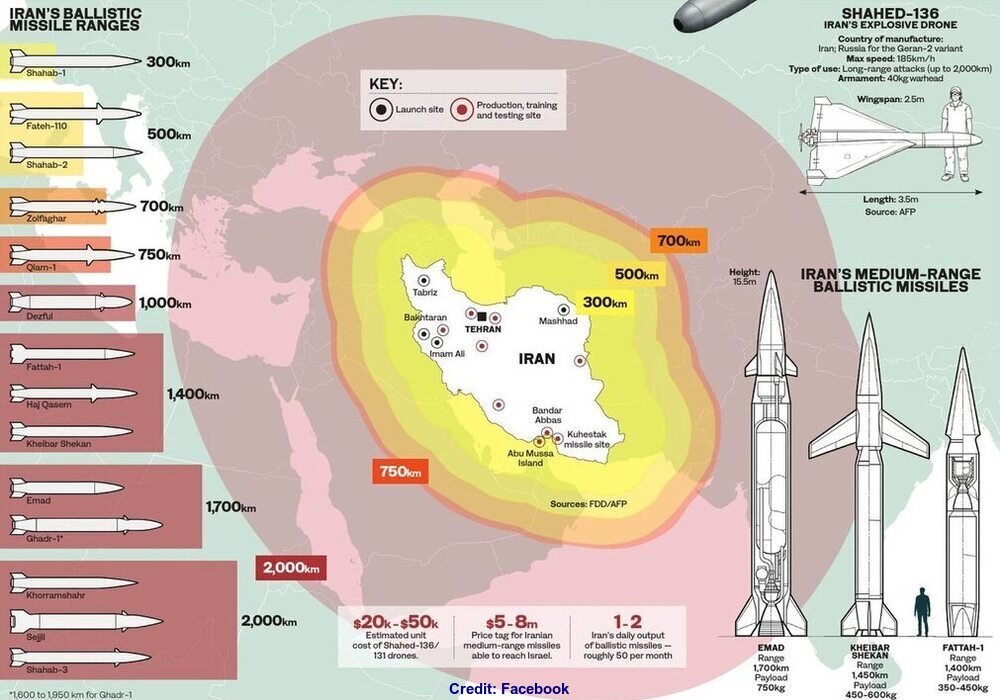
The Times has further claimed that the rate of Iran’s ballistic missile attacks has decreased significantly, by over 86-90%, since the initial days of the conflict mainly because of depleted stockpile, damaged launchers and a potential strategic effort to conserve remaining weapons. The Islamic Republic initiated large-scale attacks around February 28, 2026. Later, the volume of fire slowed, indicating a decrease from over 90 daily launches to roughly 20 in early March.
Reports suggest that the US and Israeli campaigns have targeted the Iranian missile launchers and production facilities, creating logistical bottlenecks. However, Reuters has rejected such reports, claiming that Iran still has sufficient stockpile which would allow the IRGC to sustain missile attacks on enemies and to prolong the conflict.
As per the report published by The Times, Iran is actively using cluster munitions in its attacks against Israel. The Israel Defence Forces (IDF) have confirmed that roughly half of the missiles launched from Iran in recent times have carried cluster warheads. Interestingly, the use of cluster missiles (or cluster warhead missiles) poses a major challenge to Air Defence Systems because they alter the engagement profile from a single, trackable target into multiple, scattered submunitions.
As seen in recent Iranian missile barrages towards Israel (in March 2026), cluster missiles are designed to disperse a payload of numerous smaller bombs (submunitions) over a wide area while in mid-air, increasing the damage footprint compared to a single conventional warhead and making it significantly harder for systems, like the Iron Dome or Arrow, to neutralise the threat.
The effectiveness of intercepting these missiles depends entirely on the timing of the interception. If the missile is destroyed before it breaks open (separation of the payload), the submunitions are destroyed or neutralised. Else, the extent of the damage across a vast area will only increase.
Meanwhile,

Boundless Ocean of Politics on Facebook
Boundless Ocean of Politics on Twitter
Boundless Ocean of Politics on Linkedin
Contact us: kousdas@gmail.com

 ISMC
ISMC Boundless Ocean Of Politics