

On ‘Super Dogs’ Of Chernobyl
The nuclear power plant of Chernobyl is not too far from the Ukrainian capital of Kiev. Scientists recently collected blood samples from stray dogs living in the Chernobyl Exclusion Zone (CEZ) and revealed sensational information after analysing them. They found two dog breeds in the CEZ with different genetic makeup from other dogs. Experts have called them Super Dogs.
Scientists believe that these dogs have adapted to the toxic environment of Chernobyl as the structure of their genes have changed due to living under radiation for a long time. Research has shown that the super dogs are able to resist radioactive radiation! Even their immune system is higher than normal dogs.

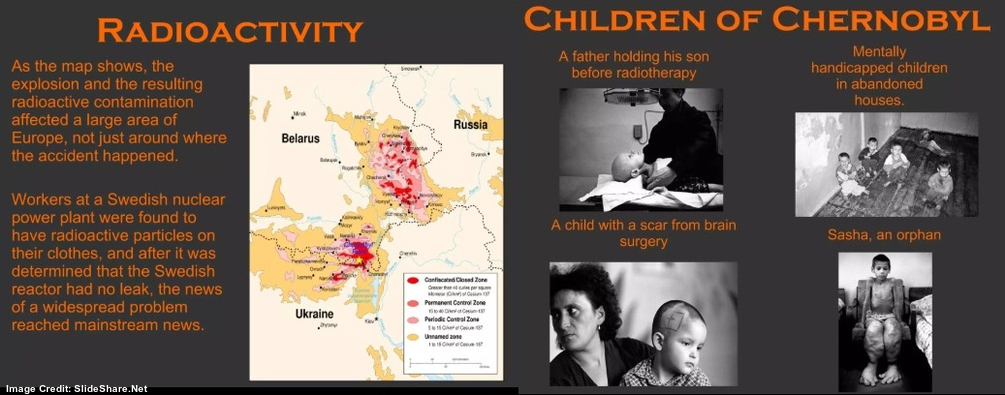
Two terrible explosions had shaken the reactor of the nuclear power plant in Chernobyl on April 26, 1986. The metal cover on top of the furnace, weighing about 2,000 tonnes, was blown off in those explosions! Immediately after the accident, radioactive radiation spread quickly in an area of more than 1,000sqkm. Although the concerned authorities shut down the nuclear power plant, it started releasing radioactive material that spread to 13 European countries due to the force of the wind. The radiation affected nearly 0.6 million people and about 4,000 died of cancer. The disaster is considered the worst in the history of nuclear power and the costliest in human history.
The authorities constructed an Exclusion Zone over large areas outside the nuclear power plant to protect people from radiation exposure. At that time, scientists had warned that it would not be possible to make the area suitable for human habitation for the next 24,000 years! The authorities also carry out radiation measurements in the Exclusion Zone on a regular basis in an attempt to detect danger from nuclear waste in the affected areas. Chernobyl has an automated radiation monitoring system in place for measuring hourly levels of various types of radiation, including gamma rays, in the Exclusion Zone.
Although people were evacuated from the area after the Chernobyl disaster, many domestic animals and stray dogs still remain there. Scientists have conducted research on some of those dogs. According to researchers, stray dogs have become super dogs after inhaling toxic air pollutants for a long time. In fact, their body shape has also changed due to radiation. The experiment has helped scientists a lot to understand the effects of the radioactive environment not only on animals, but also on human beings. In other words, this experiment is important for understanding the effects of living in highly toxic and polluted environment on living creatures.
Dogs in the Chernobyl Exclusion Zone have been living in toxic environment for nearly four decades. Around 900 stray dogs live in that toxic environment and many of them are descendants of abandoned pet dogs. According to an article published by the Daily Mail, a team of environmental health researchers, led by Dr Norman J Clayman of Columbia University, collected blood samples from those dogs in 2018-19. Later, the DNA of the dogs was analysed in a US laboratory. After a long study, scientists were able to understand how the toxic environment affected the genetic makeup of those dogs.
Researchers have found that Chernobyl dogs have 400 genetic structures that are different from normal dogs. Those genes have made them suitable for survival in toxic environment. A new gene has also been found in those super dogs! Researchers have eventually identified 52 genes that have evolved as a result of living in toxic environment. Most importantly, those genes have passed down from one generation to the other! Hence, these dogs have become resistant to radiation, heavy metals and pollution, as if they have developed a special power!
Even wolves and frogs living in the Chernobyl Exclusion Zone have developed resistance to radiation and pollution.
Boundless Ocean of Politics on Facebook
Boundless Ocean of Politics on Twitter
Boundless Ocean of Politics on Linkedin
Contact: kousdas@gmail.com

 ISMC
ISMC Boundless Ocean Of Politics