

Sri Lanka: Entering A New Era
Sri Lanka has been going through a political change since Anura Kumara Dissanayake became the 10th President of the tiny island nation on September 23, 2024. In November, the Left-wing National People’s Power (NPP) alliance, led by Dissanayake’s Janatha Vimukthi Peramuna (JVP) Party, won the Parliamentary Elections. The NPP secured an absolute majority in the Parliament by winning more than 62% of votes!
As the ruling coalition performed really well in Muslim-dominated eastern regions and Tamil-dominated Northern and Central Provinces, political analysts are of the opinion that common people (especially the majority Sinhalese community) are giving top priority to political stability, instead of ethnic conflicts that had rocked the nation in the past. Immediately after becoming the President, Dissanayake dissolved the Parliament and called for fresh Parliamentary Elections. The outcome of the Parliamentary Polls shows that he made the correct move!
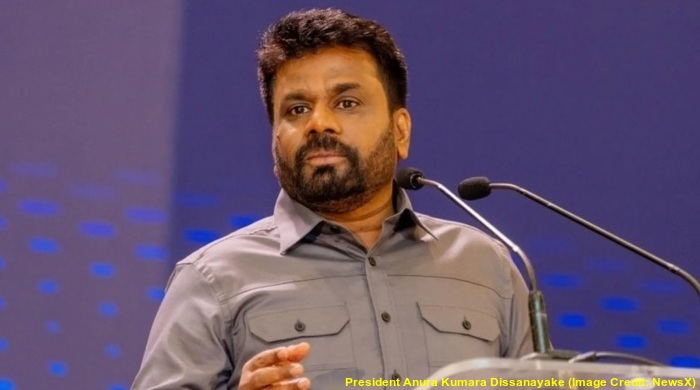
President Dissanayake’s fight has just begun as he is trying hard to overcome the economic crisis. The Sri Lankan economy is not going well, in spite of a USD 2.9 billion conditional bailout from the International Monetary Fund (IMF). As per a survey, more than a quarter of the islanders were below the poverty line in 2023! The World Bank (WB) predicted that Sri Lanka would achieve just 2.4% economic growth in 2024. In such a situation, the economy needs structural reforms, international aid and strong regional policies in order to maintain a balance between economic development and social equality.
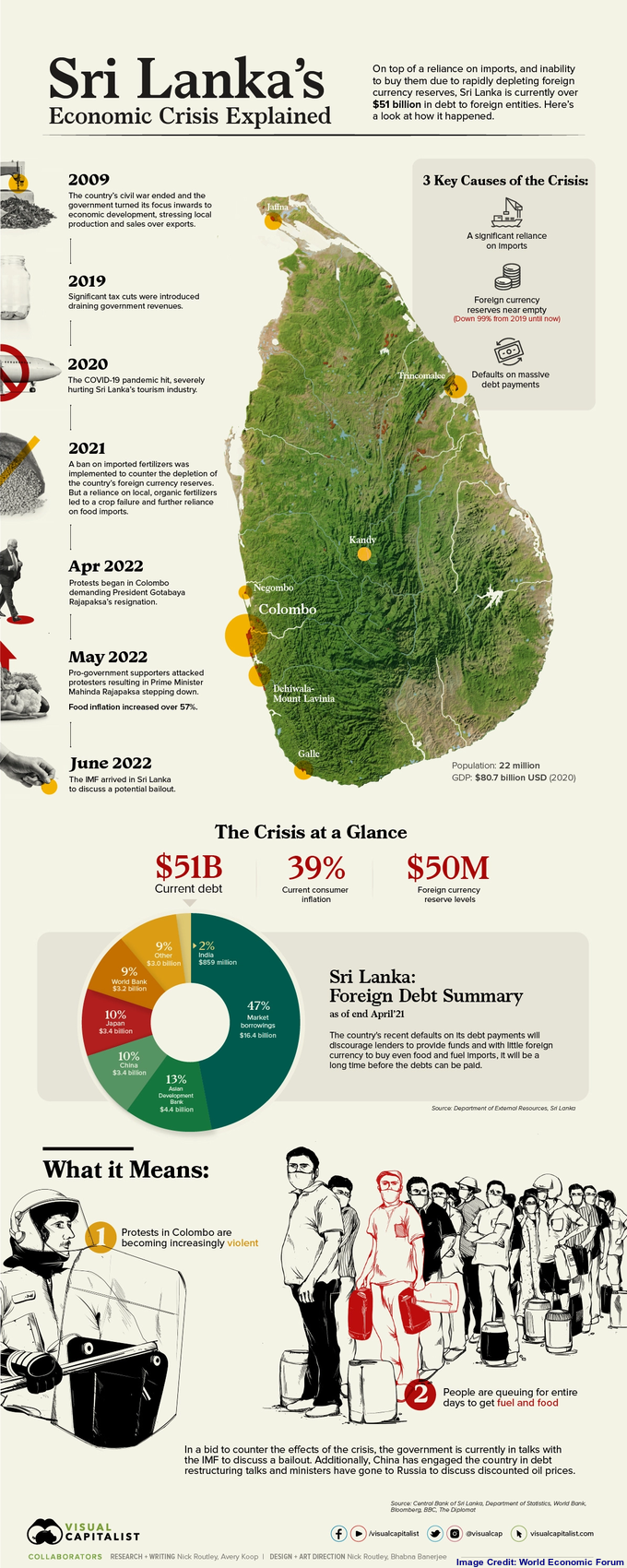
The Dissanayake Administration is facing political obstacles, as well. One of the main challenges for the President is to gain the trust of the Tamil and Muslim communities who have been oppressed for a long time. Ahead of the Presidential Elections, Dissanayake had assured his countrymen that he would ensure social development, fight corruption and reduce taxes. The terrible memories of recent food and fuel crises still haunt the Sri Lankans.

A stable government in the neighbouring country could provide India with a crucial opportunity to enhance regional cooperation and to safeguard diplomatic interests. The proximity between Sri Lanka and China raised India’s concerns in the recent past. Colombo not only allowed Beijing to use the Hambantota Port (on the Indian Ocean), but also welcomed huge Chinese investments in various infrastructure projects. Meanwhile, the new political leadership in Sri Lanka has made clear that it would strengthen ties with India.

During his visit to New Delhi in February 2024, President Dissanayake met Indian Minister of External Affairs Dr Subrahmanyam Jaishankar and Ajit Kumar Doval, the National Security Adviser of India, to discuss various important bilateral and regional issues. It may be noted that India had provided Sri Lanka with a financial aid of USD 4.5 billion during the latter’s financial crisis (in 2021). Although the island nation is yet to fully overcome its debt situation, India is ready to sanction fresh loans for Sri Lanka.
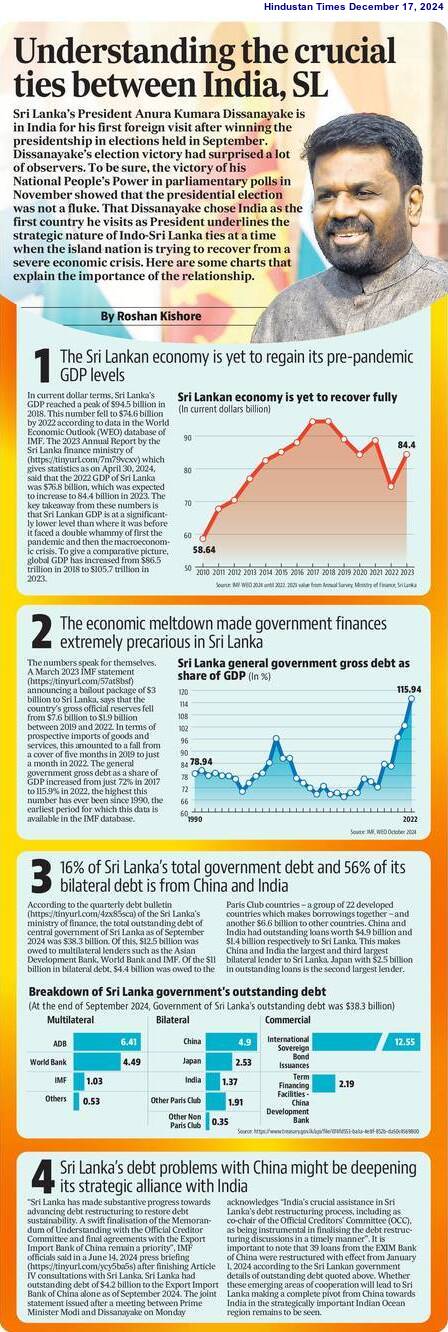
Political analysts have opined that President Dissanayake is well aware of the fact that India can help his country to overcome the ongoing economic crisis.
Boundless Ocean of Politics on Facebook
Boundless Ocean of Politics on Twitter
Boundless Ocean of Politics on Linkedin
Contact: kousdas@gmail.com

 ISMC
ISMC Boundless Ocean Of Politics