

Bismarckian Diplomacy: Realism In Action
Otto von Bismarck (April 1, 1815 – July 30, 1898), the architect of German unification and a shrewd political strategist, implemented several principles that shaped his approach to governance and diplomacy during the late 19th Century. His principles not only facilitated the unification of Germany, but also left a profound impact on European Politics.
Let’s take a closer look at Bismarck’s key principles: Bismarck was a staunch proponent of Realpolitik, emphasising practical and pragmatic politics over idealistic or moral considerations. His policies were driven by a clear understanding of power dynamics and the pursuit of tangible political objectives. Bismarck’s commitment to Realpolitik, focusing on practical considerations over ideological ones, allowed for flexibility in his decision-making. Bismarck’s famous phrase, “blood and iron“, underscored the pivotal role of military power and warfare in achieving political goals.

Bismarck recognised the importance of a strong and well-equipped military to secure and advance national interests. He sought to maintain a delicate balance of power in Europe to prevent the emergence of a dominant nation. Forming alliances with key European powers, he aimed to ensure stability and protect German interests. Bismarck also displayed diplomatic finesse in forming alliances based on pragmatic considerations rather than strict ideological alignment. The Triple Alliance with Austria, Hungary and Italy exemplified his ability to navigate complex diplomatic relationships.
Recognising France as a potential adversary, Bismarck pursued a strategy of isolating France diplomatically. Through alliances and diplomatic manoeuvres, he aimed to prevent France from gaining powerful allies in Europe. Bismarck initiated the Kulturkampf to diminish the influence of the Catholic Church in German Politics. This campaign involved measures to reduce Catholic power and assert greater state control over religious institutions.
Responding to the rise of Socialist Movements, Bismarck implemented social welfare programmes, including health insurance and workers’ compensation. These measures aimed to address social issues and to counter the appeal of socialist ideologies. Bismarck supported the authority of the monarchy as a stabilising force. He believed in a conservative social order to preserve traditional power structures and to resist radical political changes.
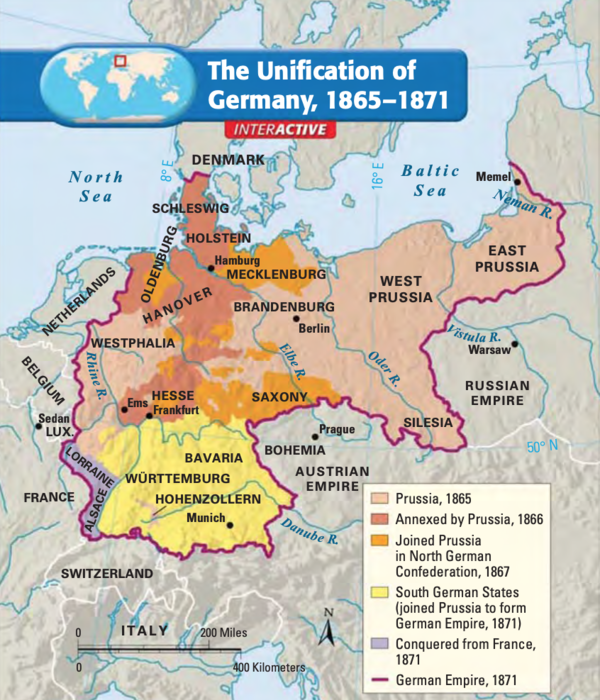
Bismarck’s astute application of these principles not only secured the unification of Germany in 1871, but also played a crucial role in shaping the geopolitical landscape of Europe during his time. His legacy as a masterful statesman continues to influence discussions on political strategy and diplomacy. Bismarck’s influence extended beyond his time in office, shaping the geopolitical landscape of Europe for years to come.

While praised for his achievements, Bismarck is not without criticism. The Kulturkampf against the Catholic Church and the repressive measures he took against socialists are points of contention.
This article was published on Instagram page of Talk Diplomacy on December 1, 2023.
Boundless Ocean of Politics on Facebook
Boundless Ocean of Politics on Twitter
Boundless Ocean of Politics on Linkedin
Contact: kousdas@gmail.com

 ISMC
ISMC Boundless Ocean Of Politics