

De-Dollarisation: An Ongoing Trend
Monopoly of the US Dollar in Global Trade may come to an end in the near future, as a number of countries have started looking for alternatives to the Dollar in commercial transactions. African countries have started showing less interest in the US Dollar, pushing de-dollarisation. They are against the use of the US currency for trade within the Dark Continent. The African nations are also discussing the usage of other currencies outside of their continent. The South African Embassy in India recently expressed concern over the dominance of the US Dollar in global trade. A senior Embassy official opposed the USD-dominated trade while talking to the Indian media.
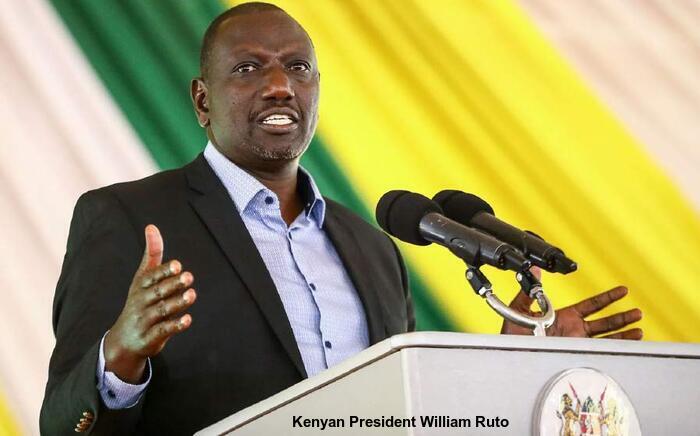
Kenya, too, opposed the usage of the US Dollar in international trade a couple of weeks ago. Kenyan President William Kipchirchir Samoei Arap Ruto has called on other African leaders not to use the US Dollar for trade within the continent. He expressed confidence in the Pan-African Trading System as an alternative in that case. Incidentally, the African nations introduced this system in 2022, and it is Africa’s unique business approach.
An anti-Dollar trend has also been observed in Latin America, with countries, like Brazil and Argentina, supporting the De-Dollarisation. De-Dollarisation is a process by which the US currency can be removed from the throne of the global economy. In other words, this process can actually reduce the importance of the Dollar. Various countries are interested in joining this process. Brazilian President Luiz Inácio Lula da Silva visited China in April 2023. During his trip, the President urged China and other countries to abandon the US Dollar and to use local currency. Brazil and China also agreed not to use the US Dollar in bilateral trade. Argentina, too, has decided to use Yuan, instead of the US Dollar, while trading with China.
Zimbabwe decided to switch to the alternative currency of US Dollar in 2022, amidst the economic crisis. The concerned authorities in Harare decided to introduce gold coins after the value of the Zimbabwean currency against the US Dollar fell sharply. The fall destabilised the Zimbabwean economy, triggering an increase in prices of necessary commodities. Zimbabwe introduced gold coins as an alternative to the US Dollar in order to cope with this situation. Foreign investors also welcomed this decision by the Zimbabwean Government.

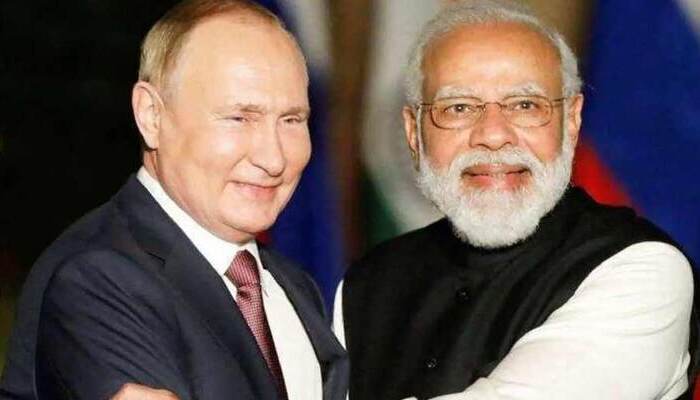
In South Asia, India is in favour of De-Dollarisation. The Reserve Bank of India (RBI) has agreed to open Special Rupee Vostro Accounts (SRVAs) in a total of 18 countries around the world. These countries have lost interest in the US Dollar, as far as global trade is concerned. Russia, Singapore, Botswana, Germany, Britain, Fiji, Guyana, Israel, Kenya and some other countries have decided to use the Indian Rupee (INR) as an alternative to the US Dollar. The idea of De-Dollarisation is not new, as India and Russia used Russian Ruble while trading with each other in the past.
The US and its Western allies imposed economic sanctions on Russia after the Russian invasion of Ukraine on February 24, 2022. Since then, Russia has been facing various problems while trading with other countries. Later, India and Russia started using their own currencies for trade purposes. However, bilateral trade in Rupee and Ruble was temporarily stopped due to some objections from the Kremlin in March 2023.
As per data, the share of the US Dollar in the world’s Central Banks was 71% in 2000. Now, it has come down to 59%. One of the reasons for the decline in the share of the US Dollar is the increase in the share of the Euro and the Chinese Yuan. Economists are of the opinion that the US has always used its currency as a weapon to suppress other countries. This policy has triggered the decline of usage of the US Dollar in global trade. Economists believe that the confidence of other countries in their own currencies shall increase in the coming days, with a decrease in the value and importance of the US Dollar.
Boundless Ocean of Politics on Facebook
Boundless Ocean of Politics on Twitter
Boundless Ocean of Politics on Linkedin
Contact: kousdas@gmail.com

 ISMC
ISMC Boundless Ocean Of Politics