

Now, Who Will Drive Iran’s Diplomacy?
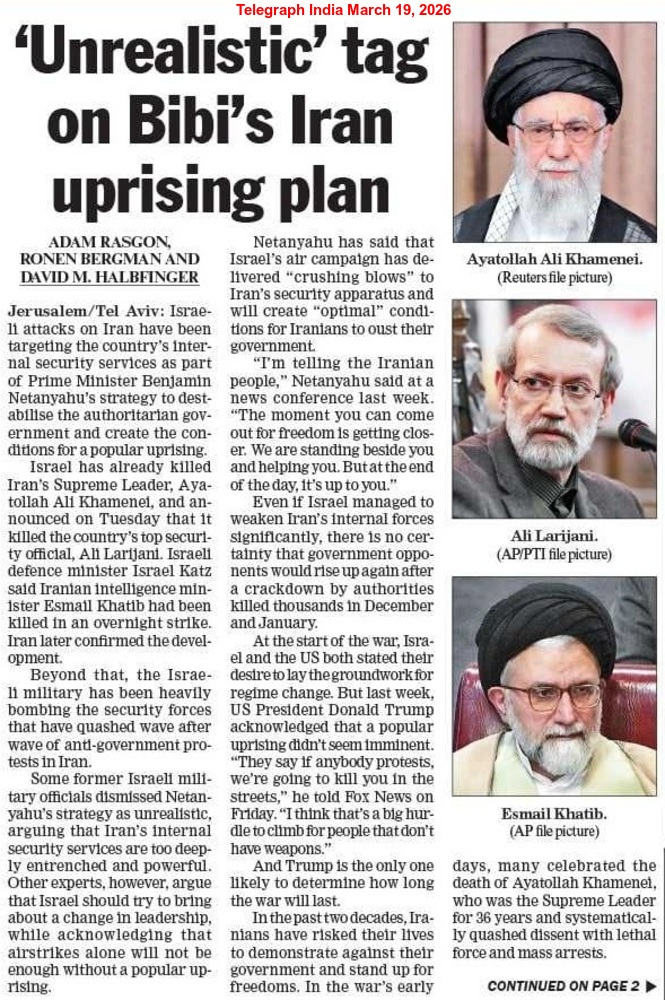
He served as a bridge between hardliners and moderates in Iranian politics, apart from deftly managing the responsibility of National Security in the face of joint attacks by Israel and the US. The former military officer and philosopher, who served as the Secretary of the Supreme National Security Council from 2025 until his assassination, was also the public face of the regime. Ali Ardashir Larijani (June 3, 1958 – March 17, 2026), the most influential figure in Iran after Ayatollah Ali Hosseini Khamenei (April 19, 1939 – February 28, 2026) and a true insider of the regime, was killed, along with his son, deputy and bodyguards, in an Israeli airstrike at his daughter’s residence near Tehran on March 17, 2026. It is widely believed that the demise of Larijani, the veteran politician known for his pragmatism and long experience helming National Security, has left the wartime leadership of the Islamic Republic largely in the hands of hardliners who might be less likely to seek a diplomatic pathway out of the war.
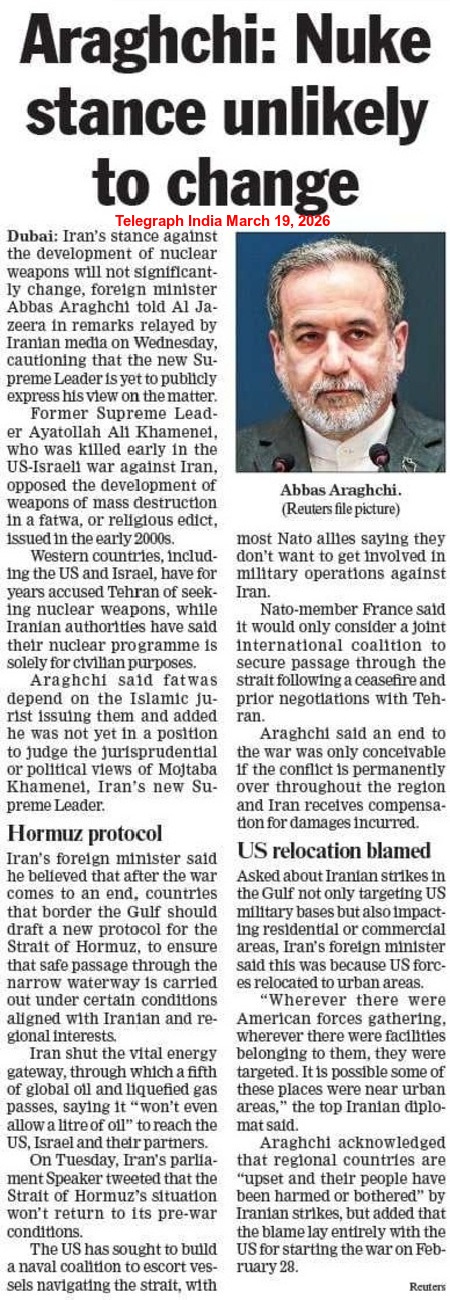
Now, the question arises: Who else in Tehran can the US talk to after the killing of Larijani? It is because he was the only figure in the lineup of senior power-brokers with a link to the politics that characterised the Presidency of moderate cleric Hassan Rouhani and Abbas Araghchi, the current Foreign Minister.
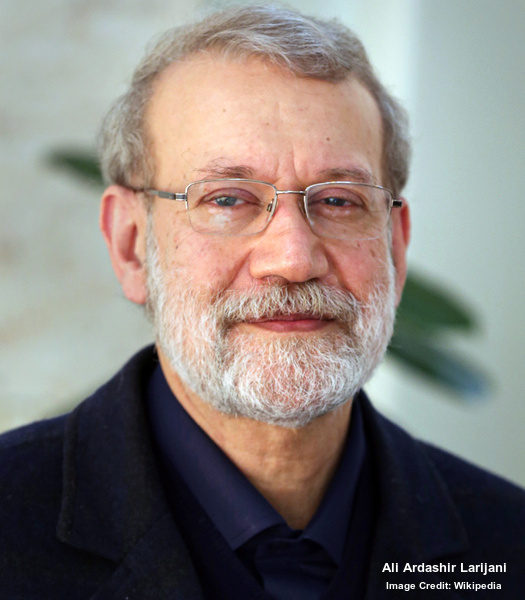
Larijani, a close aide of slain Ali Khamenei and his son Mojtaba, played a significant role in the Iranian Administration for a long time. Also, he used to maintain regular contact with the Islamic Revolutionary Guard Corps (IRGC) and the moderates, apart from playing a significant role in strengthening diplomatic ties with foreign countries. Larijani visited Russia ahead of the joint US-Israeli airstrikes in Iran that began on February 28, 2026.
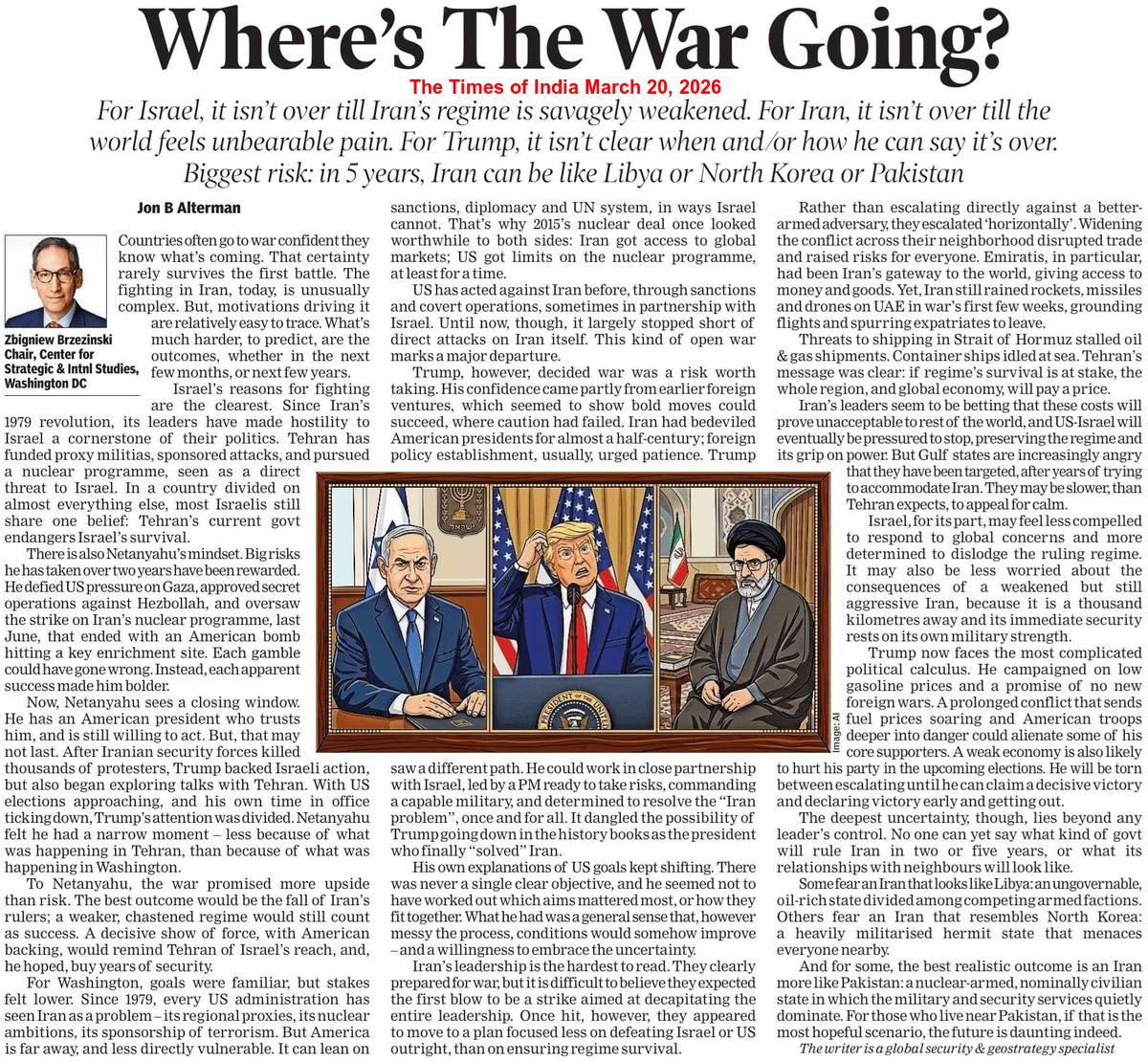
A section of political analysts believes that the geopolitical landscape in West Asia could become even more complex after the assassination of Larijani. According to them, had Larijani been alive, he could have persuaded the Mojtaba Administration to bring the war to an end. He could also have persuaded the Donald Trump Administration to resolve the crisis through peaceful negotiations. However, there is no such possibility after his death.
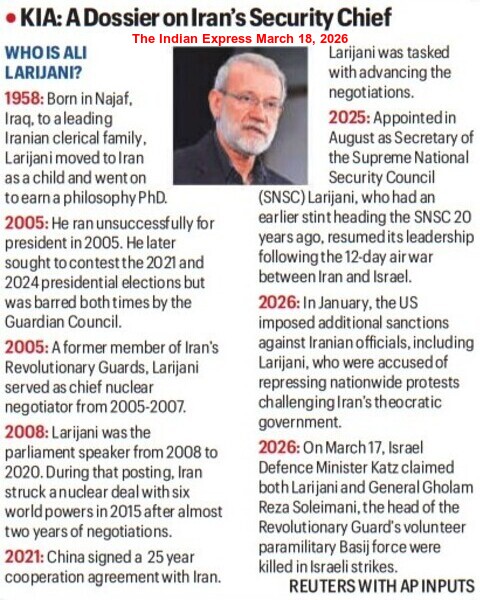
Others are of the opinion that Israel has deliberately eliminated Larijani in an attempt to trip the possibility of a truce. “Israel seems to be turning its attention to targeting those who could push for a political solution to the current crisis,” stressed Ellie Geranmayeh, the Senior Policy Fellow and Deputy Director of the Middle East and North Africa Programme at the European Council on Foreign Relations.
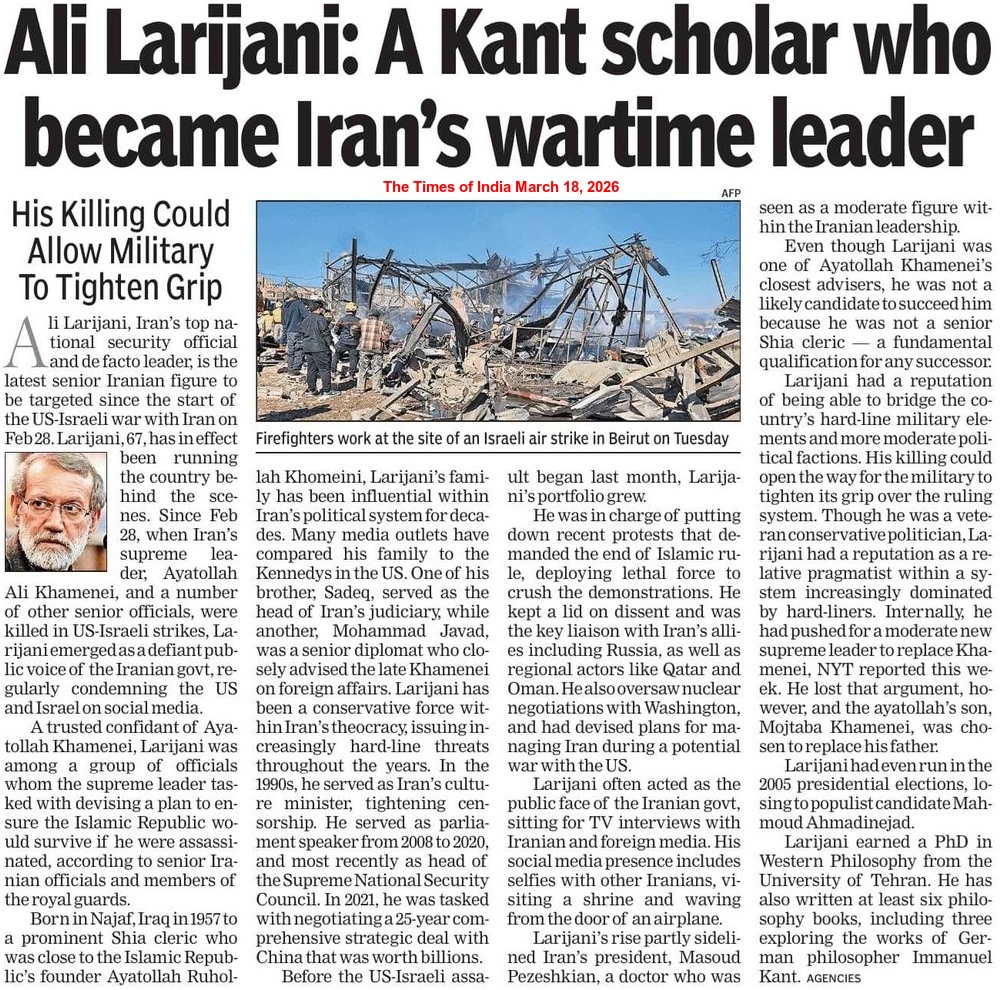
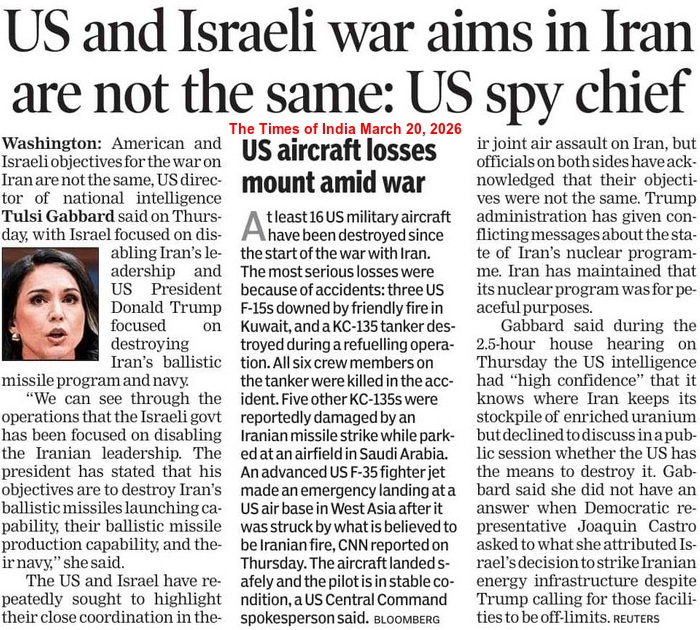
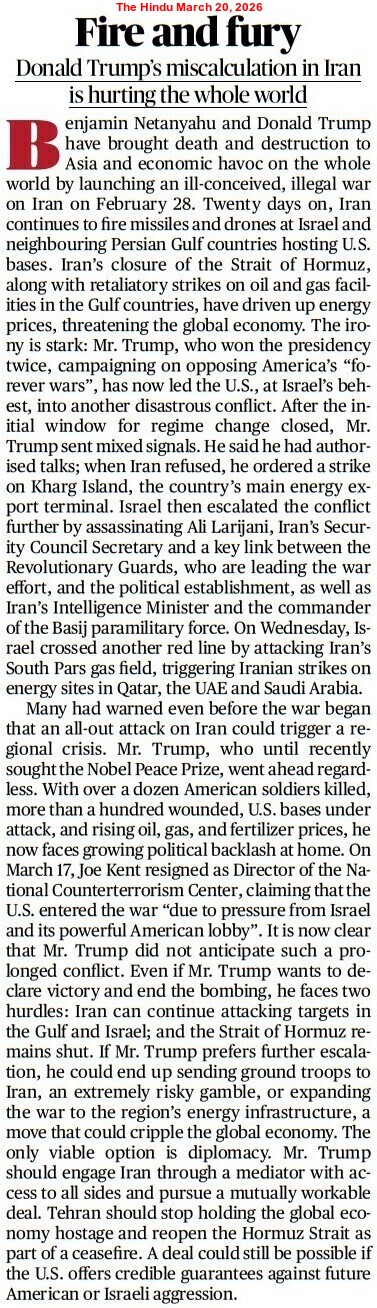
The Benjamin Netanyahu Administration has made it clear that Israel does not want to end the war right now. Commenting on the killing of Larijani, a senior spokesperson of the Israeli Government stated: “Solving the conflict involves hammering the Ayatollah Regime until they are gone. We will not allow one Ayatollah Regime to be replaced with another Ayatollah Regime.“
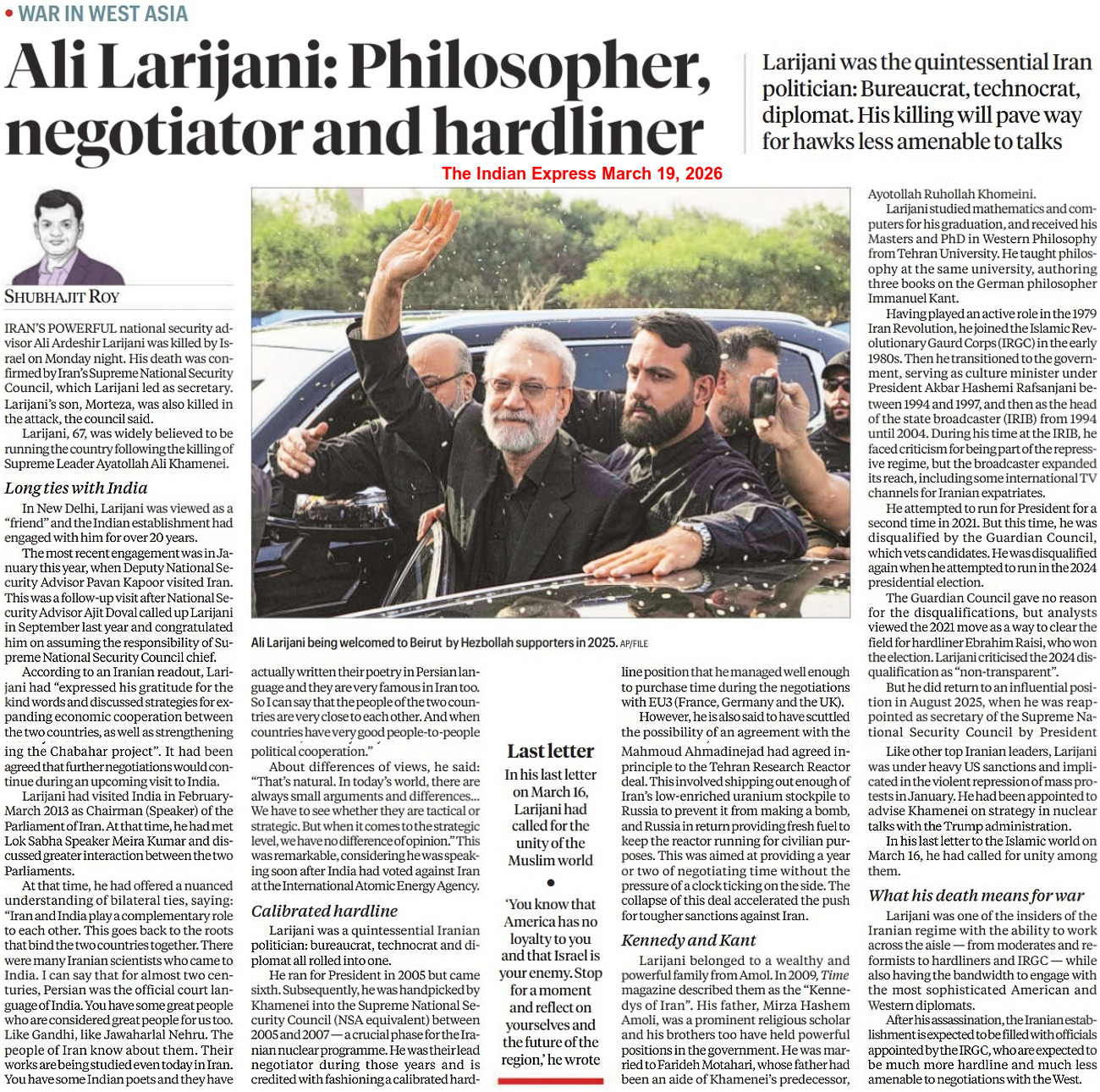
Reports suggest that Iran’s hardline faction, particularly within the IRGC, is not seeking an end to the current war under existing conditions, framing the conflict as a struggle for survival and ideological resistance. Instead, they appear to be doubling down, aiming to continue fighting until they achieve a position of strength or force a change in enemy posture. Following the assassination of Larijani, Mojataba has taken a hardline stance, indicating that Tehran has no intention of ending the war under current conditions. Interestingly, Larijani opposed the rise of Mojtaba Khamenei as he believed hereditary rule was inconsistent with the principles of the Islamic Republic. Larijani reportedly attempted to prevent or delay the consolidation of power in the hands of Mojtaba and the hardline, ultra-conservative faction.
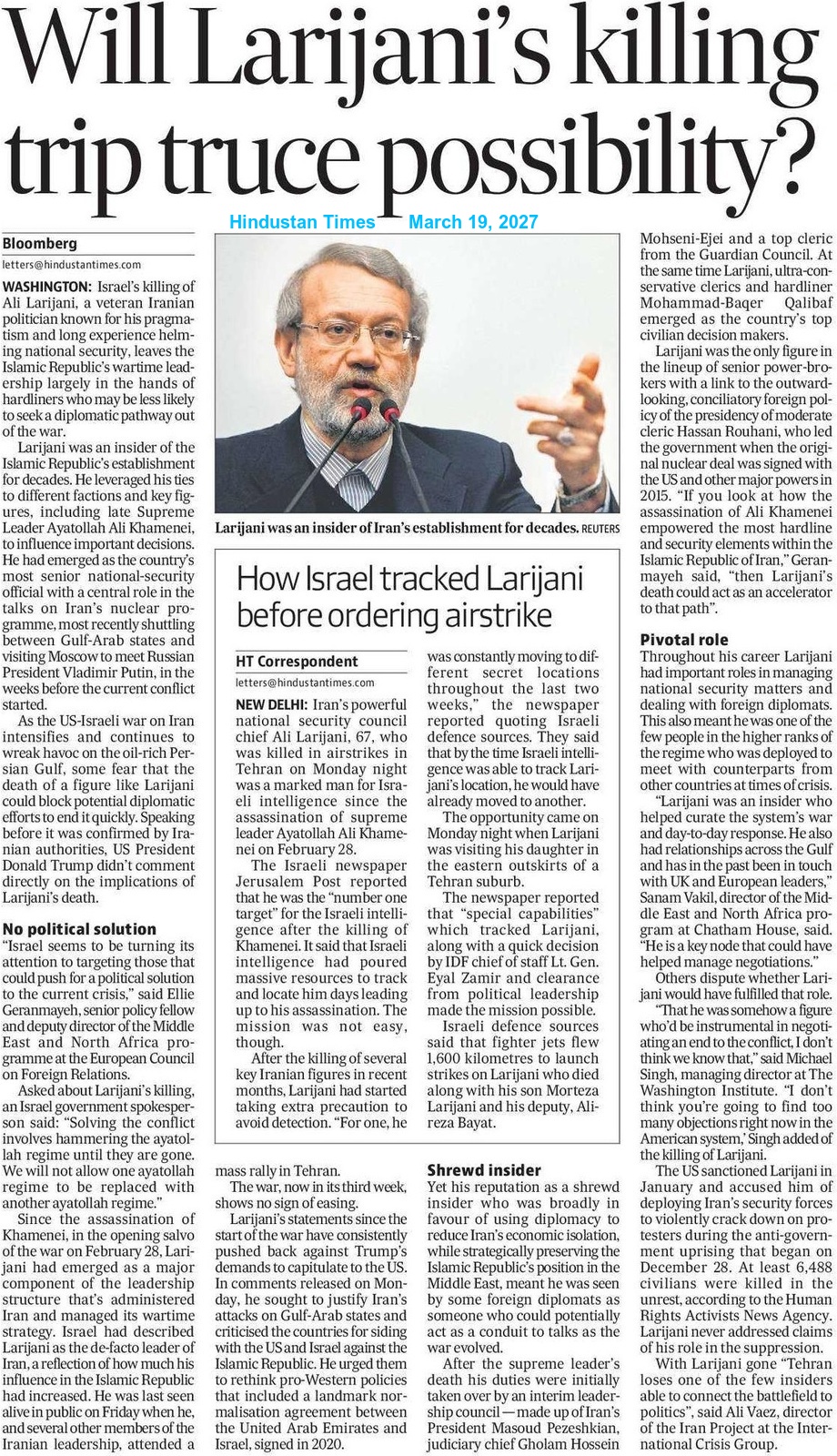
Larijani was the Crisis Manager of Iran. Whenever there was a big issue, like nuclear talks, war strategy or dealing with foreign countries, he was the man called in. Larijani had real connections with Gulf Arab nations, Russian President Vladimir Putin and top European leaders. He was respected even by his enemies. In the absence of such a personality, the conflict would be further prolonged.
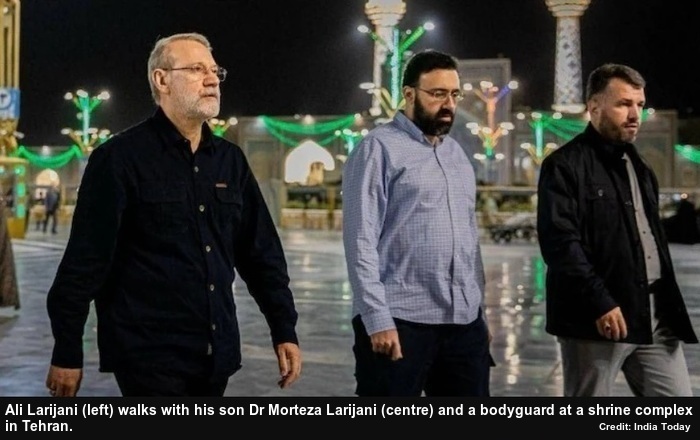
“Larijani was a true insider, a canny operator, familiar with how the system operates. Tehran loses one of the few insiders able to connect the battlefield to politics. The result is not a simple weakness, but a system that is more rigid, less strategically coherent and potentially more dangerous,” stressed Ali Vaez, the International Crisis Group‘s Project Director for Iran.
A Catastrophic Leadership Failure Under Wartime Conditions
(The Movement For Social Change – GH): One should not house senior leadership figures in exposed civilian neighbourhoods during an active, high-intensity conflict with a technologically superior adversary that has deep intelligence reach. That is not bravery. That is negligence with predictable consequences.
What happened in Pardis? if reports are accurate, highlights several hard realities:
First, operational security breakdown.
A figure, like Ali Larijani, being located and struck in a private residence suggests either:
Serious intelligence penetration (human or signals)
Compromised movement patterns
Or failure to enforce strict wartime protocols
In modern warfare, especially against an opponent with surveillance, cyber and precision-strike capability, leadership cannot behave like peacetime. Fixed locations, family visits and predictable routines become targeting data.
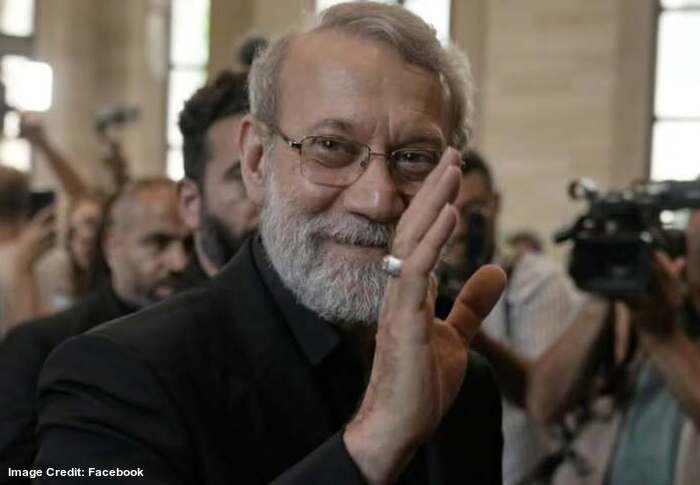
Second, the civilian exposure problem.
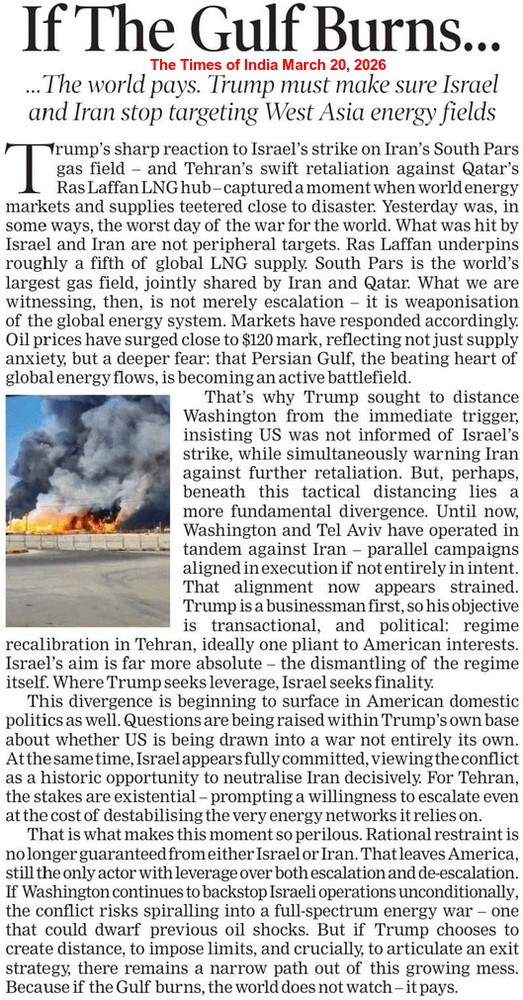
When high-value individuals remain in residential areas, they effectively turn those areas into targets, whether intentionally or not. The result is exactly what is happening: mass civilian casualties when Israel strikes occur. That is the brutal reality of urban warfare with precision munitions.
It’s also important to be clear: Israel is striking densely populated civilian areas, especially with knowledge of likely collateral damage, raising serious legal and ethical concerns under the laws of armed conflict. Civilian harm at that scale is not something that can be brushed off as incidental.
Third, leadership protection doctrine failure.
In most modern militaries:
Leadership is dispersed
Locations are hardened or deeply concealed
Movement is irregular and compartmentalised
Family proximity is minimized during active conflict
If senior figures are repeatedly being hit in known or traceable locations, that suggests systemic gaps, and not just one-off mistakes.
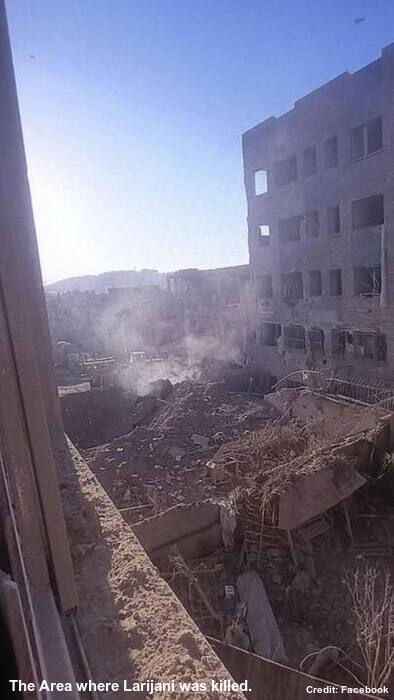
Watch: Footage from Pardis shows a whole residential area completely destroyed by Israeli strikes
Fourth, internal pressure versus security discipline.
Sometimes leaders choose to stay close to family or symbolic locations for morale, optics or personal reasons. But in a war like this, those decisions carry extreme risk – not just to themselves, but to everyone around them.
What we are seeing can be explained by a mix of:
Overconfidence or miscalculation
Intelligence breaches
Breakdowns in command discipline
Or underestimation of the adversary’s targeting capabilities
Unless Israel has some spell on them. It is clear that these people are deep into the occult. The fact they keep making the same mistake over and over again for the leadership to be targeted is insane.
Bottom Line:
In a war where precision strikes can reach anywhere, leadership survival depends on paranoia-level security. If that discipline slips, even slightly; the cost is exactly what we are seeing: Leadership losses and civilians paying the price.
Meanwhile,
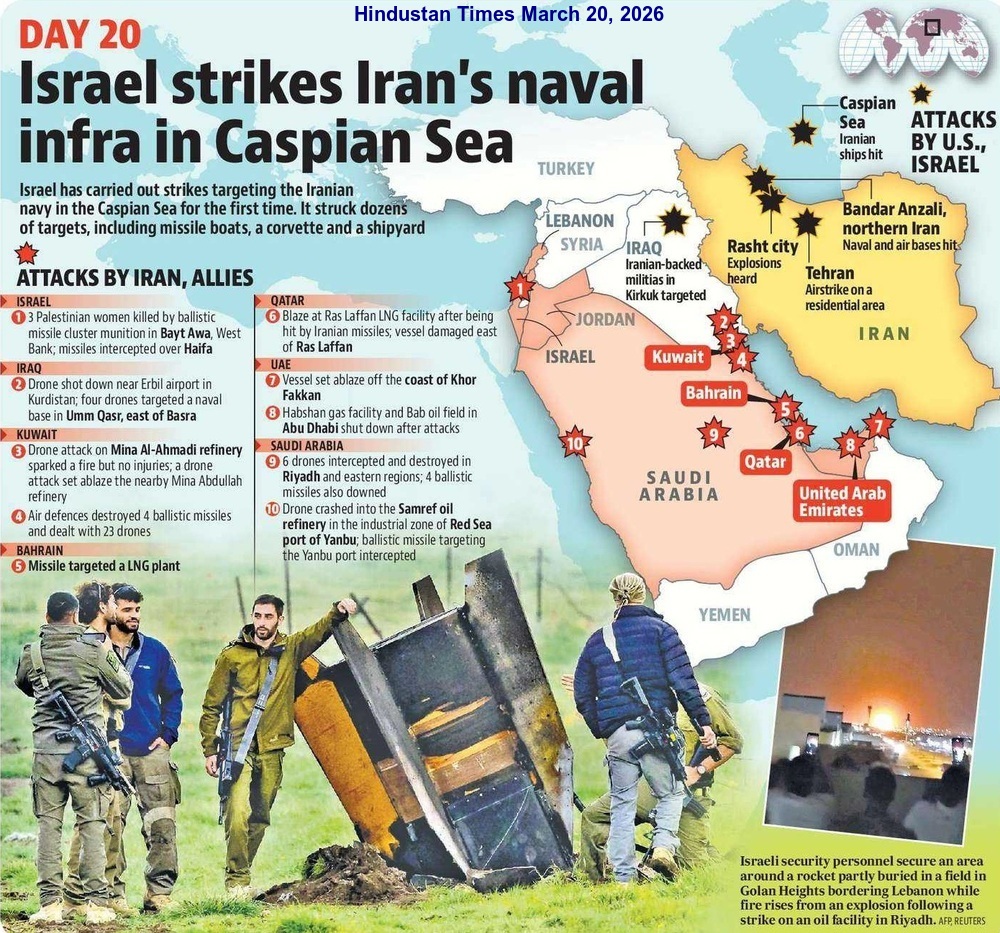
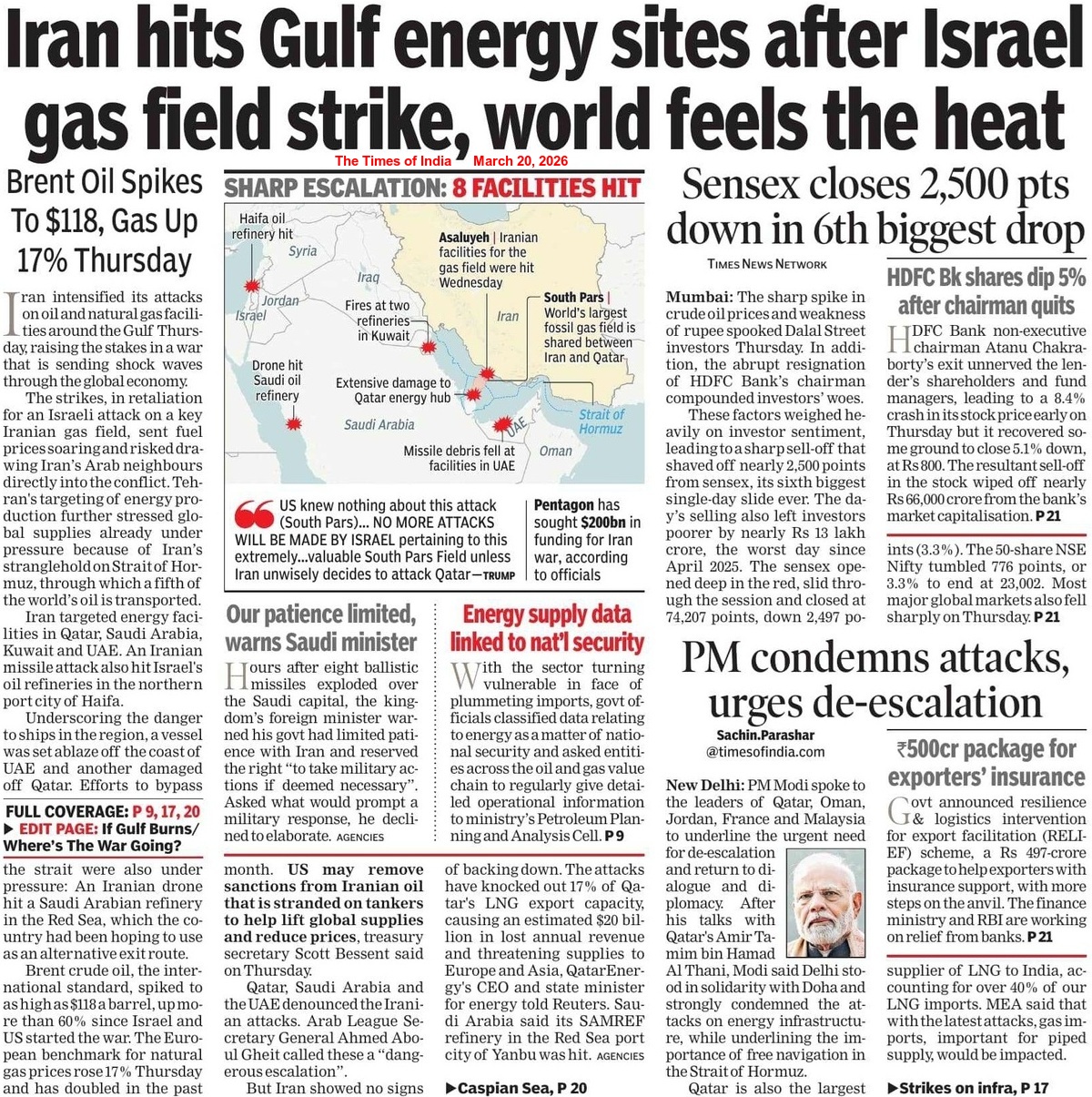
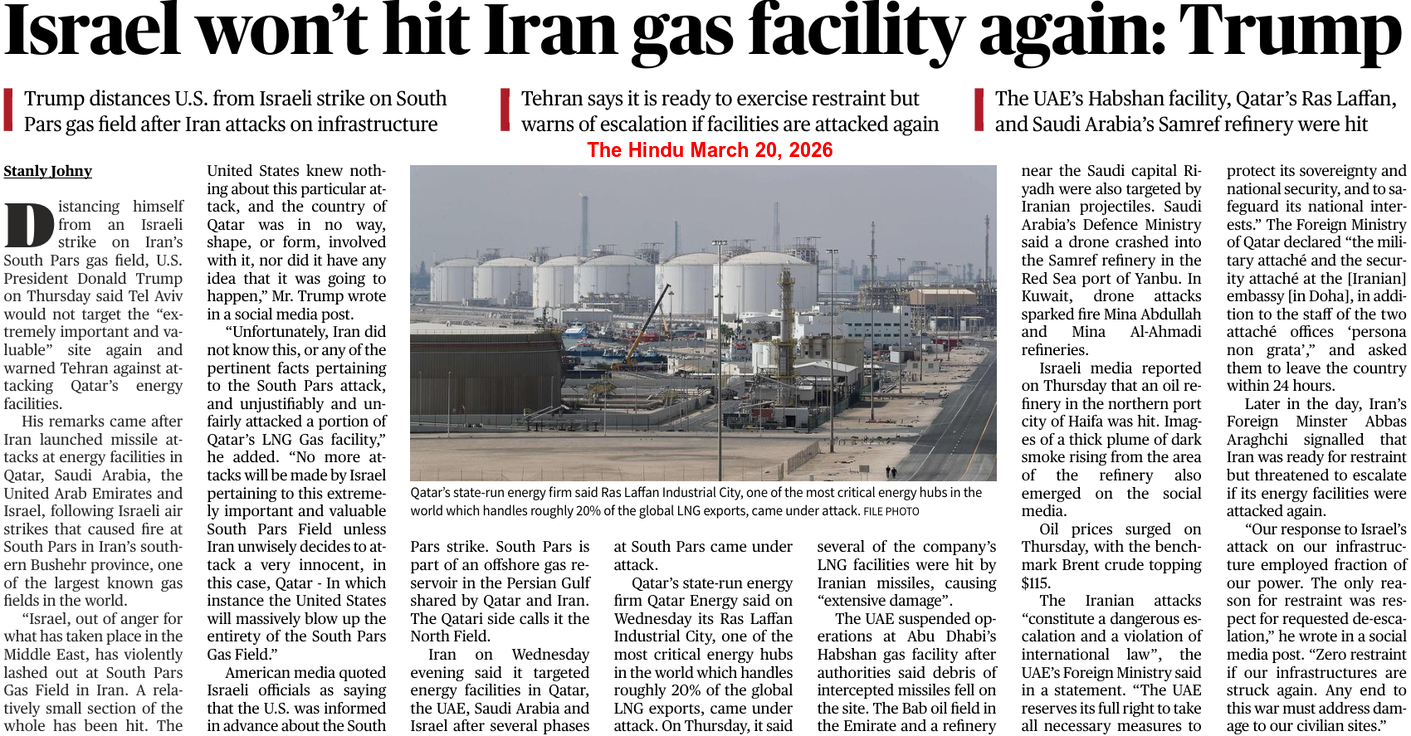
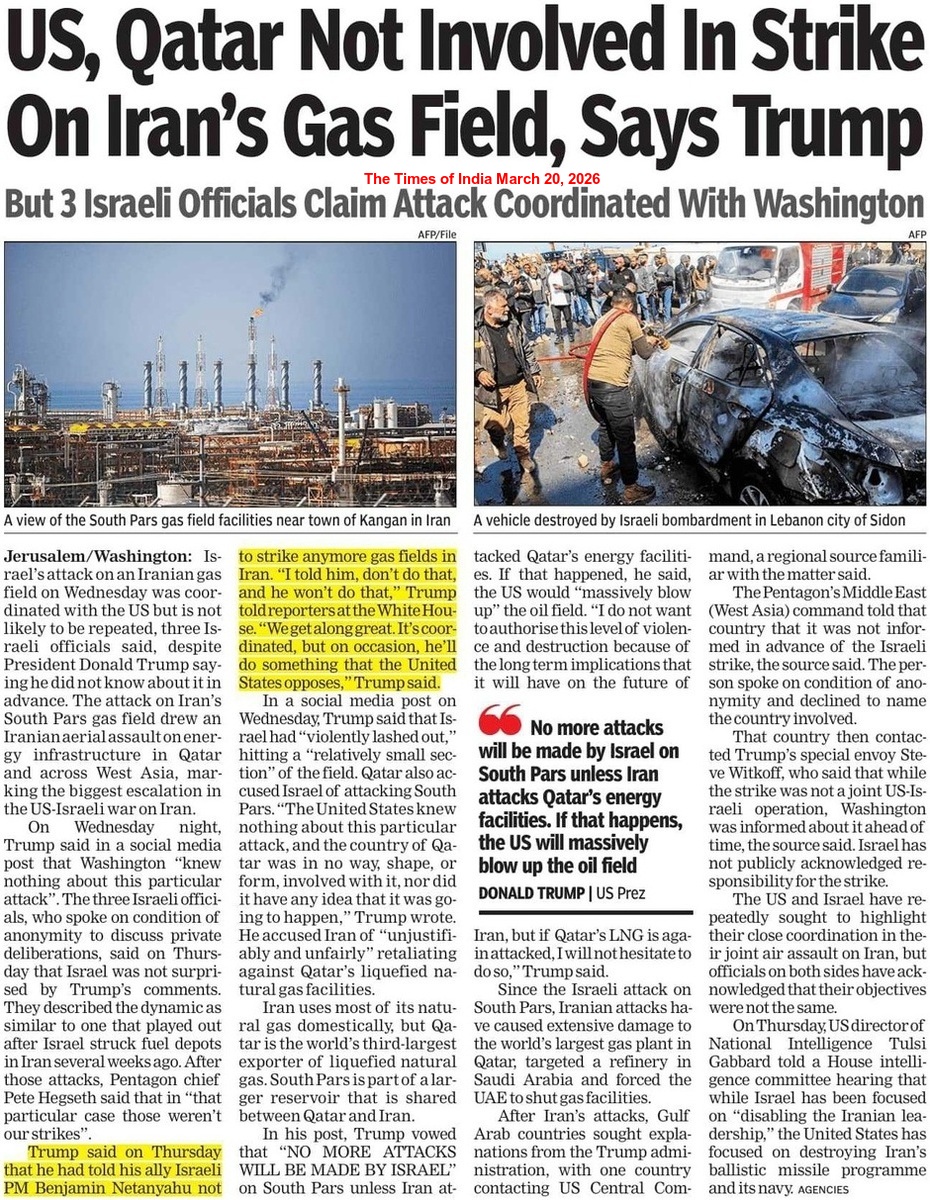
Boundless Ocean of Politics on Facebook
Boundless Ocean of Politics on Twitter
Boundless Ocean of Politics on Linkedin
Contact us: kousdas@gmail.com

 ISMC
ISMC Boundless Ocean Of Politics
1 Comment »