

Language & Cultural Identity
Language plays a crucial role in shaping cultural identities, influencing the way individuals and communities express themselves, communicate and perceive the world around them. Cultural identity encompasses a set of shared values, beliefs, traditions and customs that bind a group of people together. Expressing nuances of respect, preserving oral traditions and forming regional identities through dialects, language acts as a conduit for cultural transmission. Colonial legacies, social hierarchies and media further amplify the influence of a language on identity.
Untranslatable words, cultural markers and linguistic evolution reflect the dynamic interplay between language and culture. In a globalised world, understanding this symbiotic relationship fosters appreciation for diverse cultural identities and their unique linguistic expressions. Language serves as a powerful tool for the transmission and preservation of these cultural elements. There are some key aspects of how language contributes to shaping cultural identities.

In many Asian cultures, linguistic nuances and expressions are deeply rooted in Confucian principles, emphasising respect for elders and hierarchical relationships. Politeness markers in language reflect these cultural values. Indigenous communities often use language to pass down oral traditions, myths and rituals. The specific vocabulary and linguistic structures carry the rich history and heritage of these communities.
Dialects, accents and specific linguistic features contribute to regional identities. For instance, the distinctive accents in various English-speaking countries, like British English, American English or Australian English, play a role in shaping cultural identities. The use of honorifics in languages, like Japanese or Korean, is deeply rooted in cultural hierarchies. Different forms of address are employed based on the social status and relationships between individuals.

The imposition of colonial languages has had a lasting impact on cultural identities. In countries that were once colonies, the use of the colonisers’ language can be seen as both a tool for communication and a reminder of historical power dynamics. The choice of language in multilingual societies can be a marker of social identity. In Switzerland, for instance, people may use German, French or Italian based on their regional affiliations.
Some cultures have words that are challenging to translate into other languages, capturing unique cultural concepts. For instance, the Finnish word ‘sisu’ conveys a blend of determination, resilience and courage. Pop culture, including music, movies and literature, often reflects and shapes linguistic trends. The rise of K-pop has not only popularised Korean music globally, but also increased interest in the Korean language and culture.
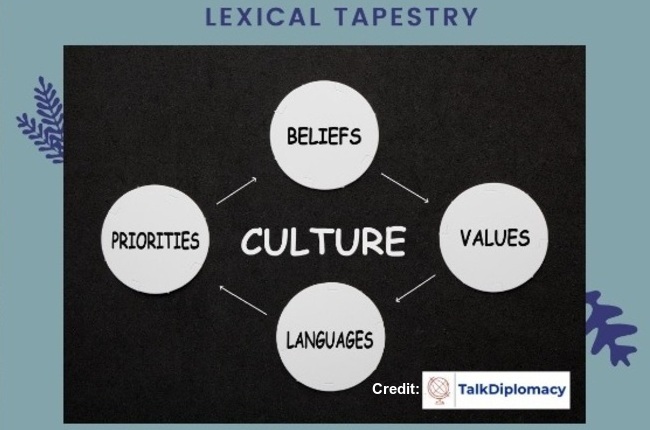
The evolution of language over time reflects societal changes. The introduction of new words related to technology or social movements reflects shifts in cultural norms and values. Language is a dynamic and integral part of cultural identity. It serves as a vehicle for the transmission of cultural heritage, values and traditions; influencing how individuals perceive themselves and their communities. The rich interplay between language and culture highlights the importance of linguistic diversity in fostering a deeper understanding of the diverse identities that make up our global society.
Talk Diplomacy first published this article on January 24, 2024.
Boundless Ocean of Politics on Facebook
Boundless Ocean of Politics on Twitter
Boundless Ocean of Politics on Linkedin
Contact: kousdas@gmail.com

 ISMC
ISMC Boundless Ocean Of Politics