

Beijing Bridging The ‘Gulf’
The US apparently maintains cordial ties with the countries in West Asia, with few exceptions. The dominance of the US in the oil fields, there, is an open secret. However, China has started influencing the Middle Eastern nations in recent times. Beijing’s tactics can drastically change the geopolitical scenario in this particular region in near future. Some recent developments indicate the same.
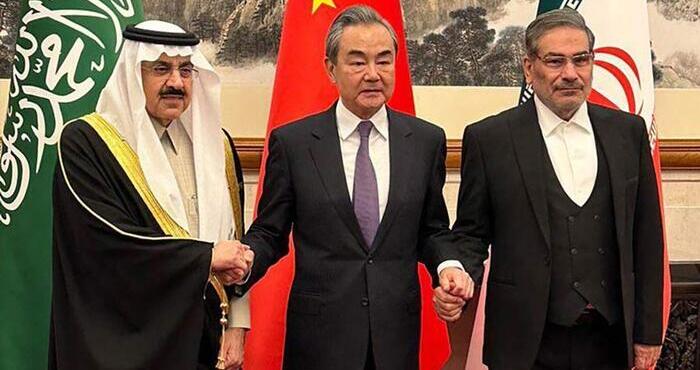
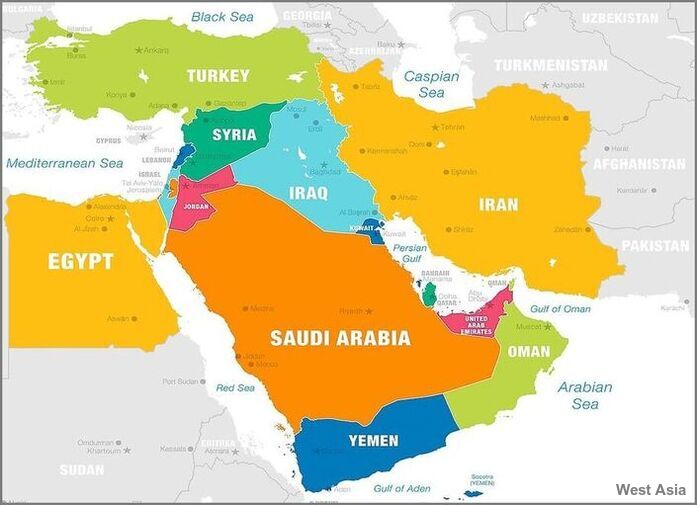
Saudi Arabia is one of the most important countries in West Asia, as the global trade of mineral oils is largely dependent on the Kingdom’s production and distribution system. Iran is another major power in this region, and the Islamic Republic is popularly known as the main rival of Saudi Arabia. There is only the Persian Gulf between these two countries. From the production of oil to ties with the US, Riyadh and Tehran have been involved in diplomatic wars many a time in the past. China recently helped narrow the gulf between Saudi Arabia and Iran by brokering an agreement to resume bilateral diplomatic ties. The move is expected to give a fillip to regional cooperation. The US and its Western allies did not welcome China’s efforts to normalise Saudi-Iranian relations. More reasons for the deterioration of Saudi’s ties with the US have come to light.
The Washington Post has claimed in a report that Saudi Crown Prince Mohammed bin Salman Al Saud recently threatened Washington DC, as he informed President Joe Biden that the US might have to suffer economic losses for interfering in his country’s internal affairs. The daily further claimed that it received a secret document about the relations between Saudi and the US. As per the document prepared in December 2022, Crown Prince bin Salman warned President Biden in September-October 2022. The Washington Post reported that the Saudi Crown Prince was not interested in striking new deals with the US. Many have noticed Saudi’s leaning towards China in the last few years. The US’ ties with Iran are not so cordial. Now, Saudi’s peace deal with Iran, brokered by China, indicates a growing distance between Riyadh and Washington DC.

According to The Washington Post, Saudi Arabia is eager to boost trade and defence ties with China. Riyadh has expressed desire to import drones and various advanced technology missiles from Beijing. Saudi Arabia recently reduced its overall oil production, slightly. Since then, Riyadh’s relationships with Washington DC started deteriorating. President Biden openly opposed the move. Saudi Arabia not only ignored the US President’s criticism, but also decided to reduce its overall oil production by another one million barrels per day from July 2023.

When Saudi’s decision comes into effect, oil reserves around the world may be strained. It is because the Kingdom has nearly 17% of the world’s petroleum reserves. A number of countries shall suffer if Saudi reduces production. Experts believe that with the decrease in the production of oil, its supply shall also decrease. The prices of petrol and diesel may increase in that case, and it would have an impact on the price of daily necessities in the global market. Experts are of the opinion that the entire world may face a major economic crisis in the near future due to Saudi’s decision. The US has been urging Saudi Arabia to increase oil production since 2022. Due to reduced production, the prices of petroleum products have increased a lot in various countries.
Meanwhile, the National Security Council of the US has claimed that the ties between Washington DC and Riyadh remain the same. Interestingly, the Biden Administration has not acknowledged any deterioration in bilateral ties. The White House has also rejected The Washington Post‘s claim that the Saudi Crown Prince threatened the US, stating that Saudi Arabia is a friendly nation, and the two countries shall work together to ensure regional, as well as global, development. The White House has further claimed that various rumours are being spread in the context of Saudi’s closeness with China. However, all these shall not work.
Boundless Ocean of Politics on Facebook
Boundless Ocean of Politics on Twitter
Boundless Ocean of Politics on Linkedin
Contact: kousdas@gmail.com

 ISMC
ISMC Boundless Ocean Of Politics