

Study: Dehydration May Trigger Mental Stress
Many work hard every day and hardly find time for themselves even after returning home from office. Also, they often find themselves in a difficult situation while trying to balance their personal and professional lives. However, all these factors may not lead to mental stress. Apart from anxiety, a physical problem can be closely related to mental stress, with the two often interacting in a cycle.
A study, recently published in the Journal of Applied Physiology, found that drinking insufficient fluids could lead to mental stress. The study has shown that those who drink less than one and a half litres of water a day have about 50% higher levels of the stress hormone, cortisol, in the body, thereby increasing stress. On the other hand, drinking 2.5 to three litres of water daily may improve mood, aid bowel regularity, prevent kidney stones, alleviate headaches and strengthen physical performance.
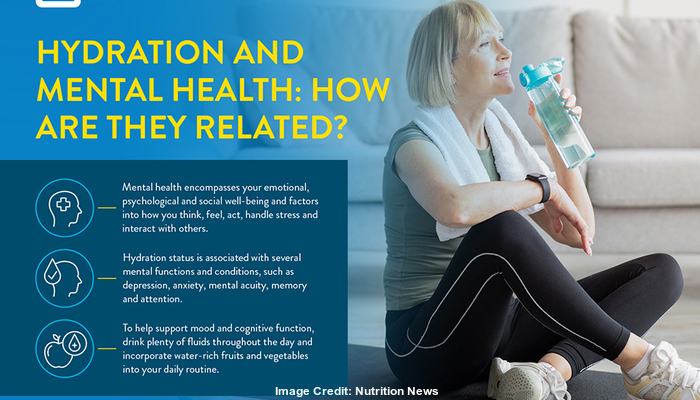
According to the study conducted by researchers at Liverpool John Moores University, drinking less water causes the body to lose more fluids than it takes in, upsetting the balance of water and essential mineral salts (electrolytes), leading to dehydration. The imbalance disrupts normal bodily functions, affecting everything from nerve and muscle operation to blood pressure regulation, and can also result in symptoms, like fatigue, dizziness, confusion, etc. In severe cases, it can also lead to serious health complications. Just as water is essential for the body, so are various mineral salts, like sodium, potassium, chloride, calcium, magnesium, etc., which regulate water balance and nerve function. Drinking less water primarily reduces blood volume that impedes nutrient and oxygen delivery to the brain, leading to cognitive impairment and mood swings (by increasing the secretion of cortisol).
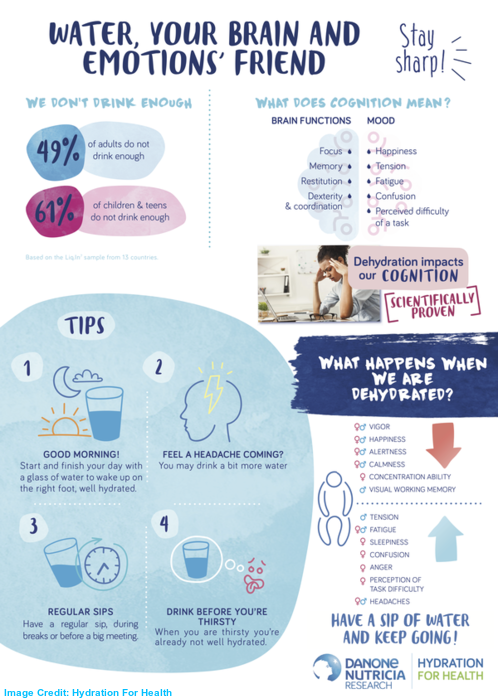
Researchers carried out the Trier Social Stress Test (TSST) on a total of 64 healthy males and females, as they divided 32 adults into two groups: an equal number of low and high fluid drinkers. They reportedly fed one group of people one and a half litres of water (no liquid food) a day, while the other group was fed three liters of water and liquid food a day. After a month, researchers noticed that those who drank more water were much more refreshed and energetic, while those who drank less water had increased anxiety and mental stress. Some of them also suffered from panic attacks. One may think thirst is the only indication of low fluid intake. However, researchers are of the opinion that while the low-fluid participants did not feel thirstier, they had more concentrated urine.
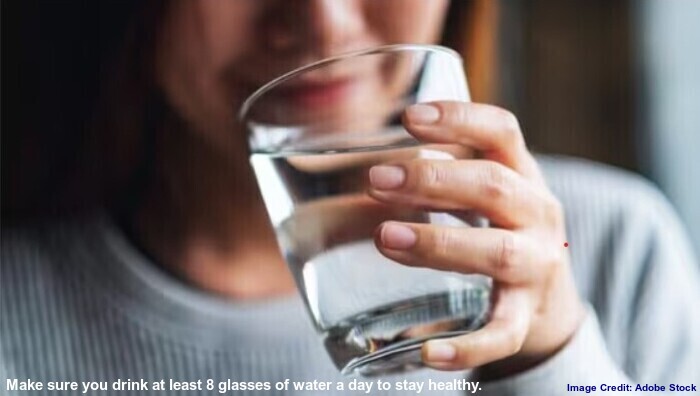
Researchers Daniel Kashi and Neil Walsh claimed that both groups felt equally nervous and showed similar heart rate increases. However, the low-fluid group experienced a higher spike in cortisol levels. The two researchers pointed out that as a pattern, chronic increase of cortisol could be linked to increased risks of heart disease, kidney problems and diabetes. It may be especially deadlier for those who navigate daily pressures, like work deadlines, family responsibilities and financial concerns.
According to researchers, water deficiency leads to increased vasopressin (also known as antidiuretic hormone or ADH) secretion, which is a crucial mechanism for conserving water by enhancing kidney reabsorption of water into the bloodstream and decreasing urine production, thereby restoring water balance in the body. Although this hormone maintains water-mineral balance, it also increases cortisol secretion. Hence, there is an increase in mental stress, too. In other words, when the body is dehydrated, levels of the stress hormone cortisol tend to rise, making people feel more anxious, tense and fatigued.
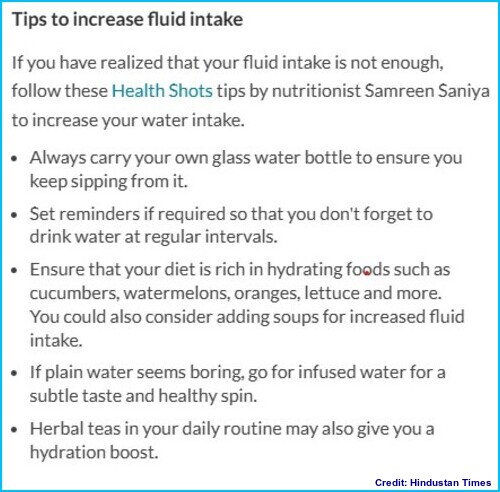
The study notes: “Habitual low fluid intake and suboptimal hydration increase cortisol reactivity to acute stress. These findings may have implications for long-term health.” The researchers have come to the conclusion that hydration is an important lifestyle factor in influencing stress management, apart from sleep, exercise, nutrition and social connections.
Boundless Ocean of Politics on Facebook
Boundless Ocean of Politics on Twitter
Boundless Ocean of Politics on Linkedin
Contact us: kousdas@gmail.com

 ISMC
ISMC Boundless Ocean Of Politics