

Iceberg In Desert!
Now, there is a desert near the coast….. But, people will soon find huge icebergs floating along the coast. They will experience such an amazing scene in the United Arab Emirates (UAE) in the next couple of years.
The West Asian nation plans to resolve the drinking water crisis by dragging the floating Antarctic icebergs to the Gulf of Oman. An Abu Dhabi-based private company will implement the project by the end of 2020.
The West Asian country is facing acute drinking water crisis. Abdullah Mohammed Sulaiman Al Shehi, the Managing Director & Chief Consultant and Founder of National Advisor Bureau Limited (NABL), has claimed that the UAE would get rid of the problem after the implementation of the USD 50-60 million UAE-Iceberg project.
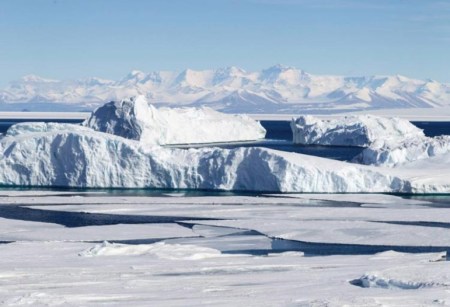
In its latest report, the UN said that 50% of the global population would face acute (drinking) water crisis by 2030. However, the icebergs – floating in Antarctica – hold 60% of all fresh water in the world. The icebergs have already started melting due to global warming and scientists warn that it could trigger floods in many countries.
Interestingly, the concerned authorities in Abu Dhabi had rejected the NABL’s proposal in this regard in 2015. However, they changed their decision last month. Al Shehi informed the press that they would start the experimental works in late 2019. He said that NABL would first drag an iceberg from Antarctica to Perth in Australia or Cape Town in South Africa. Then, the NABL officials will monitor the effects of weather, sea waves and temperature on the iceberg. During this phase, it will also be decided how (and in which path) the icebergs will be dragged to the UAE.
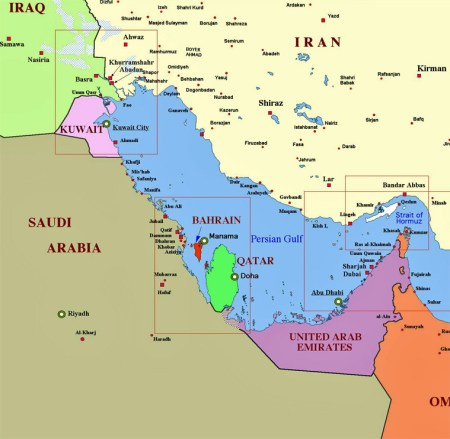
How to get drinking water from icebergs?
First, the icebergs will be taken to coastal area. Then, the NABL will melt the ice and store the water in a reservoir. Later, the water will be refined as per the requirement and will be used as drinking water. This project will have more benefits. The presence of icebergs in the coastal area will definitely boost the tourism industry in future as the UAE will become the first desert country to offer glacial tourism on its coasts.
What is the legal barrier?
According to the ‘High Sea Code’ of international law, icebergs are considered as water resources and any private company can use those, if necessary. Icebergs can also be taken anywhere in the world without the approval of any government. However, no one can break icebergs or glaciers in Antarctica. “That’s why we will tow icebergs from Antarctica. The patents have been filed for the technology in the UK, some for towing and another for reducing the melting rate during the journey,” stressed Al Shehi.
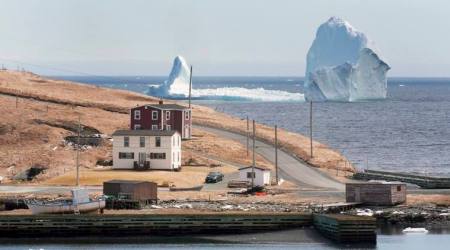
Al Shehi further said that NABL would use a powerful tow-boat that will have the power to pull 10 million tonnes of iceberg. Moreover, the icebergs would attract the clouds over the Arabian Sea. So, the possibility of heavy rainfalls will increase in the desert country. It will further assist in providing fresh water to the region, thus, making the UAE a hub for exporting water to the world.
Boundless Ocean of Politics on Facebook: https://www.facebook.com/boundlessoceanofpolitics/
Boundless Ocean of Politics on Google Plus:
https://plus.google.com/+KoushikDasboundless
Boundless Ocean of Politics on Twitter:
https://twitter.com/kousdas?s=09
Boundless Ocean of Politics on Linkedin:
https://www.linkedin.com/company/boundless-ocean-of-politics
Contact us: kousdas@gmail.com

 ISMC
ISMC Boundless Ocean Of Politics