

Salvador Dalí: The Sentry Of Hell
Western art was seemingly enjoying a pleasant leisure at the beginning of the 20th Century. However, two Spaniards invaded the World of Western Art quite unexpectedly, with Pablo Picasso (born Pablo Diego José Francisco de Paula Juan Nepomuceno María de los Remedios Cipriano de la Santísima Trinidad Ruiz y Picasso; October 25 1881 – April 8, 1973) and Salvador Dalí (born Salvador Domingo Felipe Jacinto Dalí i Domènech, Marquess of Dalí of Púbol; May 11, 1904 – January 23, 1989) stamping their authority on all the canvases. All on a sudden, they destroyed the 500-year-old sacred enlightenment practice of enjoying or creating paintings with their brush strokes. In 1929, Walter Benjamin righty described the scenario as “the bourgeois culture got an opportunity to take its last snapshot”. (Surrealism: The Last Snapshot of the European Intelligentsia; Benjamin, Walter) For his part, French psychoanalyst Jacques Marie Émile Lacan described surrealism as a deep depression at the cultural bay.
In post-WWI France, André Breton, Paul Éluard, Luis Buñuel, Dalí, Louis Aragon and some other stalwarts used to gather at the Cyrano Café in Paris to exchange views on various issues as they decided to live in the margins of established culture. In 1924, Breton came out with the Manifesto of Surrealism, stating: “Near a spring the beauty of the night joined me again, panting. A kiss is so soon forgotten. Her hair was nothing but a patch of pink mushrooms, among pine needles and very fine glassware of dry leaves.“
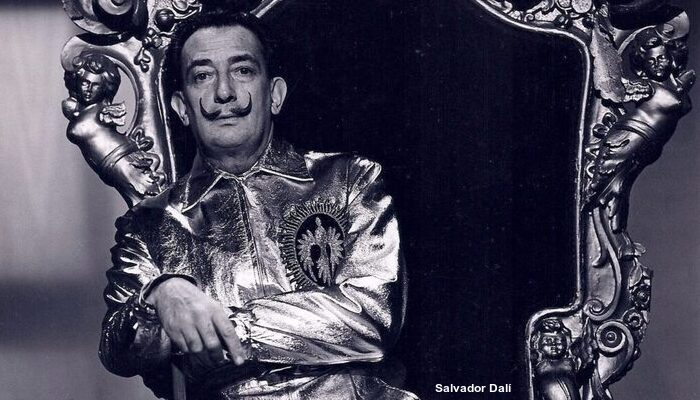
Picasso discovered the essence of the soul only after meeting Dalí upon his arrival in Paris from Madrid. After the publication of the Second Manifesto in 1929, it became clear that surrealism was actually a courtroom, as well as a punishment chamber, for reality. One can consider Picasso and Dalí as a heavenly father-son duo who prompted us to reject the imitation of plane and linear geometry, launching an attack on the Renaissance’s perspective. In other words, these two great Spaniards challenged the centuries-old Greco-Roman tradition and French aesthetics.
You may also like: The Gospel Of Uncertainty
Of course, the Spanish paintings had made an attempt to unveil the inner truths of rationalism long ago. Both (Diego) Velázquez and (Francisco) Goya rejected the strict rules and ideals of the Renaissance’s transparency. Instead, they tried to find some hidden signals, and subterranean elements which demanded violence and evocation of the ugliness, in the light and shadow.

In their 1929 silent short film Un Chien Andalou, Buñuel and Dalí restored the virginity of language or celebrated the liberation with the very first close-up shot. While Federico García Lorca did the same in Spain, Jibanananda Das did it in (undivided) Bengal. However, Dalí should always be remembered for his successful interaction with modern physics, and not so for his contribution to cinema. His clocks are soft because Dalí created them after separating the matters. It is evident in Dalí’s Persistence of Memory (which he created mainly to resist the oblivion) or in Burning Giraffe (which stands on the seaweed) that the Spanish surrealist painter not only encountered Sigmund Freud‘s idea of libido, but also the equations of Albert Einstein. The impact of his creations makes one think that Dalí was a crazy person descended from heaven to inaugurate the critical paranoia.
When physicist Niels Bohr was reportedly told that his unified field theory was a wise one, he gently replied: “We are all agreed that our theory is crazy. The question which divides us is whether it is wild enough to have a chance of being true.” The same is applicable to works of Dalí, as well. One can hardly find an artist as ascetic as Dali in the entire 20th Century. However, he was cunning and sinful at the same time. He openly supported Franco, as well as the monarchy, and also cheated his wife Gala. Picasso and Buñuel never spoke to him again for supporting Francoism. The Surrealists also expelled Dalí from the Surrealist Association in disgust as if he was a cursed pedestrian of hell.

It is evident in Dalí’s paintings, many of which have secured their places at the Museum of Modern Art (MoMA) in New York and elsewhere, that art shook hands with science in a unique manner in the 20th Century. When Dalí met Freud, the former was barely 34 and the latter became an octogenarian. As Freud used to consider surrealism as a hoax, he ignored Breton. After his meeting with Dalí, the founder of psychoanalysis felt that the Spanish painter was a fanatic. However, Dalí accepted it as a compliment. The way he portrayed the relativity of space and time on his frames, it is quite understandable why he would turn to the uncertainty principle of Werner Karl Heisenberg later. In fact, Freud’s interest in surrealism was primarily because of Dalí. Freud was fascinated by the Surrealists’ exploration of the unconscious, dreams and the irrational, which aligned with his own theories of psychoanalysis.
You may also like: A Terrible Laughter: Milan Kundera
It seems that Dali was both a technologist and an artist, just like Leonardo da Vinci. One may discover a lifeless transition and stillness, seemingly keeping the structure of reality intact, in his works as Dali kept changing the arrangements from one layer of reality to the other. Any of his work is the source of multiple paintings. Just as Thomas Stearns Eliot sabotaged the realm of classical pattern of word design, Dali, too, wanted to return classicism to frames and lines, and to hide the alphabets of nightmares in those spaces. Most importantly, both Eliot and Dali were a royalist and a Roman Catholic. It could not have been possible for Andy Warhol and the American pop art to reach their goal without Dali’s inspiration. Even Hollywood wanted to use him, although neither the director nor the artist himself liked his work in Alfred Hitchcock‘s 1945 psychological thriller Spellbound.

Dali was a wonderful modernist and also the epitome of contradiction who stood against the so-called civilised journey of human beings in order to help us to listen to the trumpets of hell. Hence, his works still have a great impact on the contemporary world, in spite of all his faults, greed and desires. One realises that surrealism is the moment when the London Bridge descends, the darkness covers Paris and population gets printed on the cobblestones of Roman streets.
It is the duty of an artist to create discontent and trigger protests in a society that has lost its nobility. They make an attempt to view a civilisation, ignoring the market, the secretaries and the generals. Dali, with his collection of memories, tried to view civilisation in a respectful manner through a continuous tour of illusory paintings. With the arriving information society of the 21st Century continuously creating a sun-lit nightmare of clarity for us, it seems that Dali’s Swans Reflecting Elephants (1937), Lobster Telephone (also known as Aphrodisiac Telephone, a Surrealist object created in 1936) or Desert (or Desierta; 1946) are the removal of curse on the civilisation.

This obscurity is, in fact, the silent tribute to art.
Translated by Koushik Das from the original Bengali article penned by Sanjoy Mukhopadhyay. Mukhopadhyay is a Professor (Retired) of Film Studies at Jadavpur University, Kolkata, India and a Ritwik Ghatak scholar. He is famous for his writings on cultural modernity in India. Mukhopadhyay is also a commentator on social issues.
নরকের পথচারী দালি
গত শতাব্দীর শুরুতে, বেশ তো ছিল, পশ্চিমি শিল্প। অস্তায়মান রূপসীর আঁচলে যেন রক্তকরবীর বিভা, যেন আরামপ্রদ অবসর বিনোদন। প্রায় অপ্রত্যাশিতভাবে প্রলয় ঘনিয়ে এল, যেন তাতার হানাদারি। পাবলো পিকাসো ও সালভাদোর দালি— এই দুই স্প্যানিশ মাতাদর দখল করে নিলেন যাবতীয় ক্যানভাস। গত পাঁচশো বছর ধরে ছবি দেখার বা ছবি আঁকার যে সারস্বত চর্চা অনুমোদিত হয়েছিল, তা কেমন যেন সহসা যজ্ঞভূমিতে পা দেওয়া এই দুই চাঁড়ালের পদপাতে তছনছ হয়ে গেল। যদি একটু মার্জিত ভাষায় বলি, তাহলে ওয়াল্টার বেঞ্জামিনকে স্মরণ করব, যে, বুর্জোয়া সংস্কৃতি তার শেষ স্ন্যাপশটটি তুলে রাখার সুযোগ পেল, আর যদি মনস্তাত্ত্বিক লাঁকাকে উদ্ধৃত করি, তাহলে বলব, সমস্ত পরাবাস্তবতাই ছিল সাংস্কৃতিক আবহমণ্ডলের ঘনীভূত নিম্নচাপ।
পৃথিবীতে একদিন কার্তিকের জ্যোৎস্না এসে মহীনের আস্তাবল আলো করে দিলে, প্যারিস নগরীর সিরানো কফিঘরে ব্রেতোঁ, এলুয়ার, বুনুয়েল, দালি, আরাগঁ প্রমুখ কিন্নরদলকে ক্রীড়ারত দেখা যায়। যখন সর্বস্ব যায় বস্তুকামে, গৃধ্নুতায়, নানাবিধ কাজে— তখন এই যুবাদল স্নায়ুর নীল নকশা অনুযায়ী বাস্তবের শহরতলিতে বসবাসের সিদ্ধান্ত নিয়েছিলেন। তখন, সেই বিদ্যুৎপ্রভ ১৯২৪ সালে, তরুণ চিকিৎসক, কবি ও দেবতাদের বন্ধুদের মতো সুদর্শন, আদ্রেঁ ব্রেতোঁ প্রকাশ করলেন পরাবাস্তবতার প্রথম ইস্তেহার। হে নক্ষত্র, হে কুসুম, হে সৌন্দর্যের নগ্ন ওষ্ঠদ্বয়, রাত্রির উৎসপথ খুলে দাও।

মাদ্রিদ থেকে প্যারিসে এসে সালভাদোর দালির সঙ্গে পিকাসোর দেখা হল, আর তখনই দালি খুঁজে পেলেন আত্মার কম্পাস। ১৯২৯ সালে দ্বিতীয় ইস্তেহার প্রকাশের পর জানা গেল, পরাবাস্তব আসলে বাস্তবের বিচারালয় ও শাস্তিদানের সমারোহ। আমি বলব, পিকাসো এবং দালি যেন স্বর্গীয় পিতা এবং তার সন্তান, গোপন অন্তর্ঘাতক হিসেবে সমতলীয় ও রৈখিক জ্যামিতির নকলনবিশি প্রত্যাখ্যানে আমাদের বাধ্য করলেন। রেনেসাঁর চোখ চিরে দেওয়া হল। ভাগ্যিস এই মহান স্পেনীয়দ্বয় গ্রেকো-রোমান ঐতিহ্য ও ফরাসি নান্দনিকতাকে প্রশ্ন করলেন!
অবশ্য, স্পেনের চিত্রকলায় যুক্তিবাদের বিরুদ্ধে অন্তঃসলিলা সত্যের উদ্বোধনের জন্য একটা প্রয়াস ছিলই। ভিলাসকেথ ও গোইয়া— দু-জনেই রেনেসাঁর যুক্তিবিচারকে মান্য করেননি। বরং, আলো-অন্ধকারে খুঁজে পেতে চেয়েছেন কিছু লুপ্ত সংকেত, যা দাবি করে হিংস্রতা ও অ-রমণীয়তা।

সুতরাং, দালি ও বুনুয়েল যখন ‘আঁশিয়েন আঁদালু’ ছবিটি করলেন, তার প্রথম ক্লোজ-আপটিই ছিল ভাষাকে কৌমার্য ফিরিয়ে দেওয়ার আবেদন বা শৃঙ্খলামুক্তির দিন। এই একই কাজ স্পেনে লোরকা ও বাংলায় জীবনানন্দ দাশ শুরু করেছিলেন। তবু, দালিকে আমরা চলমান চিত্রমালার জন্য চিনব না, বরং চিহ্নিত করব, আধুনিক পদার্থবিদ্যার সঙ্গে তাঁর সফল রতিক্রিয়ার কারণে। দালির ঘড়িগুলি নরম, কারণ, তা পদার্থের বিচ্ছিন্নতার মর্ষকামী ফসল। দালি যখন তিনের দশকের শুরুতে বিস্মরণের প্রতিরোধে ‘পারসিস্টেন্স অফ মেমোরি’ আঁকেন, অথবা, সামুদ্রিক গুল্মের মধ্যে যখন তাঁর জিরাফ দাঁড়িয়ে থাকে, কিংবা ভ্রমর তার পরাযৌক্তিকতা নিয়ে দিবানিদ্রাকে আক্রমণ করে, তখন আমরা বুঝি— দালির নির্জন করতলে শুধু ফ্রয়েডের যৌন উপচার নয়, আইনস্টাইনের সমীকরণ-সমূহও আছে। এই যুগপৎ অভিঘাতেই আমাদের মনে হয়, দালি স্বর্গ থেকে নেমে আসা উন্মাদ। এই সেই ‘ক্রিটিকাল প্যারানোইয়া’-র উদ্বোধন।
প্রসঙ্গক্রমে বলি, পদার্থবিদ নিলস বোরকে যখন বলা হয়েছিল, সমন্বিত ফিল্ড থিওরি একটি উন্মাদদের পাঠশালা, তখন তিনি সবিনয়ে বলেছিলেন, হতে পারে, কিন্তু আমাদের দেখা উচিত, যে, এটা ততখানি উন্মাদ কি না, যা সত্যে পরিণত হওয়ার যোগ্য।

এটুকু বলা এইজন্যই যে, সমগ্র বিশ শতকে, দালির মতো, এত তপস্যাবৃত শিল্পীকে আর আমরা দেখি না। অথচ, একই সঙ্গে তিনি ধূর্ত ও পাপিষ্ঠ। তাঁর গলার স্বর এতটুকু কাঁপে না, ফ্রাঙ্কোকে সমর্থন করতে। রাজতন্ত্রের সমর্থনে তিনি বিবৃতি দেন, নির্লজ্জভাবে। পত্নী গালার সঙ্গে, তাঁর আপাত সম্পর্ক, অনবচ্ছিন্ন দাম্পত্যের মহিমা, কিন্তু সেখানেও আত্মপ্রতারণার অনেক গলি-উপগলি আছে।
এমন একজন, যাঁর সঙ্গে পিকাসো আমরণ আর কথা বলেননি ফ্রাঙ্কোতন্ত্রকে সমর্থন করার জন্য। এমন একজন, যাঁর সঙ্গে তাঁর নিবিড়তম বন্ধু লুইস বুনুয়েলের সম্পর্ক ছিন্ন হয়ে যায় একই কারণে। এমন একজন, যাঁকে সুররিয়ালিস্টরা ঘৃণাভরে পরাবাস্তববাদী সংঘ থেকে বহিষ্কার করেন। এমন একজন, যিনি নরকের অভিশপ্ত পথচারী।

তবু, মোমা-তে দালির চিত্রাবলির সামনে দাঁড়িয়ে আমার মনে হয়েছিল, সমগ্র বিশ শতকে, শিল্প আর কখনও বিজ্ঞানকে এমন অনিন্দ্যসুন্দর রমণের প্রস্তাব দেয়নি। ফ্রয়েডের সঙ্গে যখন দালি দেখা করেন, তখন ফ্রয়েড আশি পেরিয়েছেন, আর দালি সবে ৩৪। ফ্রয়েড ভাবতেন, পুরো পরাবাস্তবতাটাই একধরনের ধাপ্পা। আদ্রেঁ ব্রেতোঁকে তিনি মোটেই পাত্তা দেননি। কিন্তু দালির সঙ্গে কথা বলে তাঁর মনে হয়, আদ্যন্ত ‘ফ্যানাটিক’। দালি তাকে প্রশংসাবাক্য হিসেবেই নিয়েছিলেন। স্থান ও সময়ের আপেক্ষিকতা যেভাবে দালি তাঁর বিশাল পটগুলিতে ছড়িয়ে রাখেন, তাতে আমরা বুঝি, কেন তিনি পরবর্তীকালে, হাইজেনবার্গের মতো পদার্থবিদের অনিশ্চয়তা তত্ত্বর কাছে হাত পাতবেন। বস্তুত, ফ্রয়েড পরাবাস্তবের প্রতি আগ্রহী হয়েছেন দালির জন্যই।
তাহলে, দালি কে? আমি নিজেই বুঝে উঠতে পারি না, তিনি একই সঙ্গে কি দ্য ভিঞ্চি-র মতো প্রযুক্তিবিদ ও শিল্পী? যখন তাঁর পটগুলিকে বিশ্লেষণ করা যায়, তখন তো সেখানে দেখি, আয়ুহীন কক্ষান্তর ও স্তব্ধতা, আপাতভাবে বাস্তবের কাঠামো অক্ষুণ্ণ রেখেই তিনি বাস্তবের স্তর থেকে স্তরান্তরে বিন্যাস পাল্টে দিতে থাকেন। দালির যে কোনও ছবিই একাধিক ছবির উৎসমুখ। বস্তুত, আধুনিক শিল্পীদের মধ্যে টিএস এলিয়ট যেমন ধ্রুপদী শব্দের পরিমণ্ডলে নাশকতা চালান, দালিও তেমন ফ্রেম ও রেখাতে ক্লাসিকিয়ানা ফিরিয়ে দিতে চান, ও সেই ফাঁকফোঁকরে গুঁজে দিতে চান দুঃস্বপ্নের বর্ণমালা। এলিয়টের মতোই তিনি রাজভক্ত ও রোমান ক্যাথলিক। একটু সাহস নিয়ে আমি বলব, দালিই প্রথম ইউরোপীয় শিল্পী, যিনি দ্বিতীয় বিশ্বযুদ্ধর পরে, মার্কিনি চিত্রকলার ইউরোপীয়করণ সম্ভব করেন, অ্যান্ডি ওয়ারহল ও পপ শিল্পের নিশানাগুলি দালির প্ররোচনা ছাড়া সম্ভবই ছিল না। এমনকী, হলিউডও তো দালিকে ব্যবহার করতে চায়। যদিও, হিচককের ‘স্পেলবাউন্ড’ ছবিতে তাঁর কাজ না পছন্দ হয়েছিল পরিচালকের, না স্বয়ং শিল্পীর।
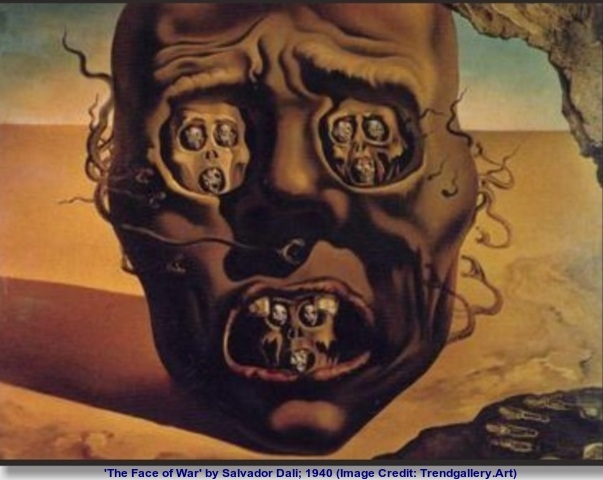
এক আশ্চর্য আধুনিক, যিনি স্ববিরোধিতার চিত্ররূপ, যিনি যুগপৎ নিষ্ঠুর ব্রাহ্মণ ও দয়ালু ঘাতক, যিনি পৃথিবীর আলোকযাত্রার বিপক্ষে দাঁড়িয়ে নরকের তুর্যধ্বনি আমাদের কানে পৌঁছে দেন, তবু তাঁর সমস্ত ত্রুটি, পতন, লোভ ও কামনা সত্ত্বেও যখন আমরা প্রাদো মিউজিয়াম বা অন্যত্র তাঁর পটের সমীপবর্তী হই, তখনই আমাদের মনে হতে থাকে, এ-বিকেল মানুষ না, মাছিদের গুঞ্জরনময়, স্তম্ভিত হয়ে দেখতে থাকি নিতান্ত পশ্চিমি দালির অদূরে আর-এক প্রত্যাঘাতকামী বাঙালি কবিকে, যিনি বিলোচনকে বিবাহসভায় পৌঁছে দিয়ে, আপিলা-চাপিলাকে ব্রেড বাস্কেট খেতে দেখেন। আমরা নিশ্চিত হয়ে যাই, পরাবাস্তবতাই সেই মুহূর্ত, যখন লন্ডন সেতু নিম্নগামী, প্যারিসের লোকালয়গুলিতে বিভাবরী, রোম শহরে প্রমত্ত গণিকার উরুবিস্তার, এমনকী, কলকাতার টেরিটিবাজারে লোলনিগ্রো— যে সমাজ তার আভিজাত্য হারিয়ে ফেলেছে, সেখানে অসন্তোষ ও আপত্তি উৎপাদনই শিল্পীর কর্তব্য। এই যে বাজারের থেকে, সচিব ও সেনাপতিদের থেকে মুখ ফিরিয়ে, এমন এক সভ্যতাকে দেখার চেষ্টা, যা অন্ত্রের চাইতে মুখমণ্ডলকে আদরণীয় ভাবে, সেই ভয়প্রদ, অলীক রেখাচিত্রের আশেপাশেই ক্রমাগত শুদ্ধ পর্যটনে রত থাকেন— স্মৃতির সঞ্চয় নিয়ে সালভাদোর দালি ও রাতের তিমির নিয়ে জীবনানন্দ দাশ।
একুশ শতকের বার্তাসমাজ যখন আমাদের জন্য ধারাবাহিকভাবে গড়ে তুলছে সুবোধ্যতার আলোকিত দুঃস্বপ্ন, তখন মনে হয়, স্বর্গের সরোবরে দালির হস্তীযূথের স্নানক্রিয়া, চিংড়িমাছের আতঙ্ক, অথবা মরুবালুরাশিতে অপসৃয়মান প্রেতিনী সভ্যতার শাপমোচন।

এই দুর্বোধ্যতা, আসলে, শিল্পের অনস্বর কুসুমাঞ্জলি!
সঞ্জয় মুখোপাধ্যায় (May 11, 2025)

Boundless Ocean of Politics on Facebook
Boundless Ocean of Politics on Twitter
Boundless Ocean of Politics on Linkedin
Contact us: kousdas@gmail.com

 ISMC
ISMC Boundless Ocean Of Politics
1 Comment »