

The Gospel Of Uncertainty
Each and every era recognises contemporary stalwarts in its own way. People in the eastern Indian city of Kolkata failed to discover Albert Camus (November 7, 1913 – January 4, 1960) in the 1970s the same way intellectuals did it in the 1930s. The French philosopher, political activist and the recipient of the 1957 Nobel Prize in Literature at the age of 44 (the second-youngest recipient in history) reached Kolkata in the scorching heat, as manuscripts of his journal were scattered in different corners of the city in the 1970s. During this period, Kolkata and other parts of (the eastern Indian Province of) West Bengal were going through a political turmoil. In such a scenario, Bengali youths came to know that Camus used to pen down the memories of those July nights. He mentioned that some experienced those nights while roaming near the Seine, while others, who experienced slaughter in the morning and pain in the afternoon, were eagerly waiting for a different dawn.
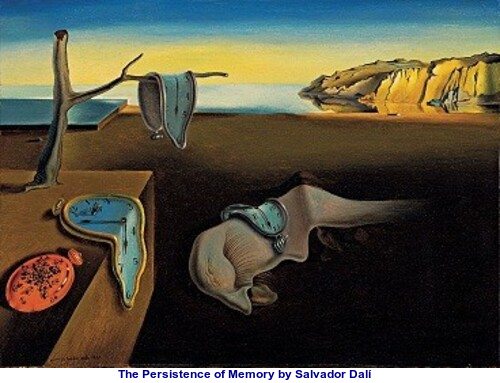
Interestingly, the Bengali youths, too, were waiting for a new dawn in the 1970s. However, nothing such happened. Even Camus had no idea that he would never find the truth. He still remains as a gospel of uncertainty. One can compare all his works with The Persistence of Memory (La persistencia de la memoria), a 1931 painting by Salvador Dalí and one of the most recognisable works of Surrealism. Camus seemingly realised before his demise that history had taken on the responsibility of writing his biography.
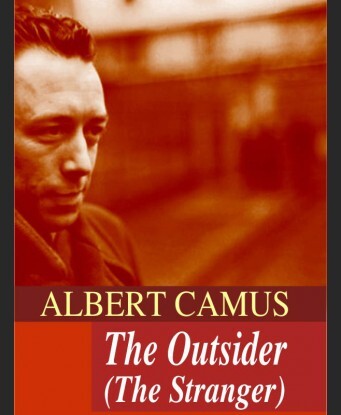
On July 1, 1943, Simone de Beauvoir wrote to her unforgettable lover that some of his friends made an attempt to draw comparisons between the The Outsider (or The Stranger by Camus) and Nausea (by Jean-Paul Sartre; June 21, 1905 – April 15, 1980). de Beauvoir also mentioned that the majority of them preferred The Outsider as Nausea was quite boring. However, Paul Valéry (October 30, 1871 – July 20, 1945) had a different opinion.
The Bengali youths fell in love with Camus (and not so much with Sartre) in the 1970s mainly because of The Outsider as the novel begins with these lines: “Maman died today. Or yesterday maybe, I don’t know.” This particular novel had a great impact on noted Bengali poet Shakti Chattopadhyay (November 25, 1933 – March 23, 1995) who began his verse, titled Jarasandh, with “Why did you bring me here, take me back.” Like Chattopadhyay, the devotion of Bengalis to their mother began with The Outsider as they were able to relate Camus’ work to their painful experience.
Bengalis loved (and still love) Camus not because of his global fame, but due to his hybrid character. Camus, who was born into a middle-class Algerian family, arrived in Paris just before the Second World War mainly to find a job. However, he emerged as an author in France. Later, Camus admitted that he failed to trace his roots either in Algeria or in France! In other words, uncertainty was his sole companion.
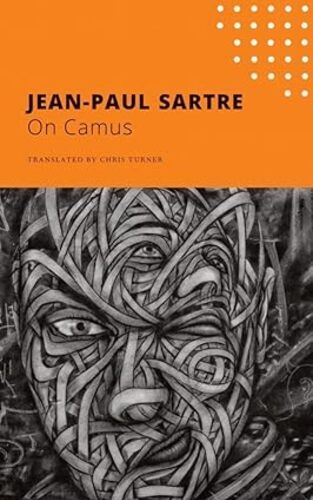
One should not compare Camus to Sartre. Sartre was a great, as well as wise, person. He can be considered as the guardian of a century. However, he was also a wealthy person and deeply rooted in French culture. On the other hand, Camus, despite being a great lover of María Casares, had no idea where he would end up. His works help the readers to trace the mystery of their existence. Camus used to believe that the biography of a modern man could be summed up briefly… They read newspapers and have extramarital affairs. People, interested mainly in gossips, often find that the chronicle of their downfall has already been written before their birth! In a sense, the biography of a modern man is basically a predictive writing.
The lead character of The Outsider has a lack of emotional connection towards his mother. However, he eventually gains virtue by neglecting his mother. Perhaps, a child can do nothing more to honour her/his mother. It also helps a man to realise his very existence. With this, the dawn arrives at the end of a long night. This sort of mother-worship purifies an entire century.
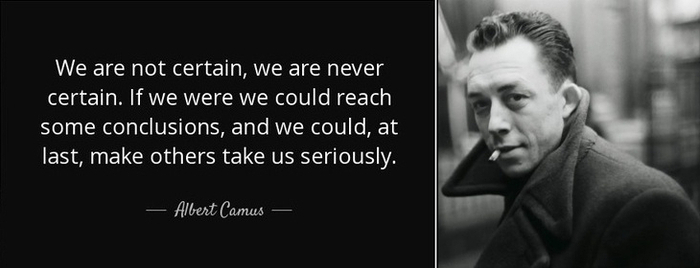
Camus once said that reading The Brothers Karamazov, an 1880 novel by Fyodor Mikhailovich Dostoevsky, was enough! At the end of this novel, the children ask Alyosha: “Karamazov, can it really be true as religion says that we shall all rise from the dead, and come to life, and see one another again, and everyone, and Ilyushechka?” Alyosha responds: “Certainly we shall rise, certainly we shall see and gladly, joyfully tell one another all that has been.” No one knows what happened next. In reality, there were the Second World War, the Algerian War of Liberation and apparently a number of absolute truths that allowed people to take a side. Surprisingly, Camus either became impartial at some strange moments or explained his inability to overcome his biasness. After receiving the Nobel Prize, he stressed: “Artist lives in such a state of ambiguity, incapable of denying reality, yet eternally bound to question it to its eternally unfinished aspect.” Camus always tried to observe this unfinished aspect of life.
Although Sartre was 10-year older than Camus, the former spent his whole life trying to understand the majesty of words in the pages of philosophy. He took refuge in Marxism. On the other hand, Camus did not survive by clinging to Nietzsche or Dostoevsky. Instead, he wandered around Paris and New York, and realised that he had no permanent shelter anywhere.
Camus discovered tissues of lies only while dealing with his desire and seeing portraits of others. This is why Ingmar Bergman (July 14, 1918 – July 30, 2007) became a fan of Camus. Because of Camus’ influence on him, Bergman showed a man coming to the bed and taking some fluid from his partner’s vagina with a finger in his 1972 film Cries and Whispers. Camus also inspired the Swedish filmmaker to perceive the web of lies. He still influences literature in the 21st Century. It is irrelevant to describe Camus as a philosopher or an author or a playwright or a journalist. An author often inspires a century. Camus was one such personality who can be compared to the Oracle of Delphi.
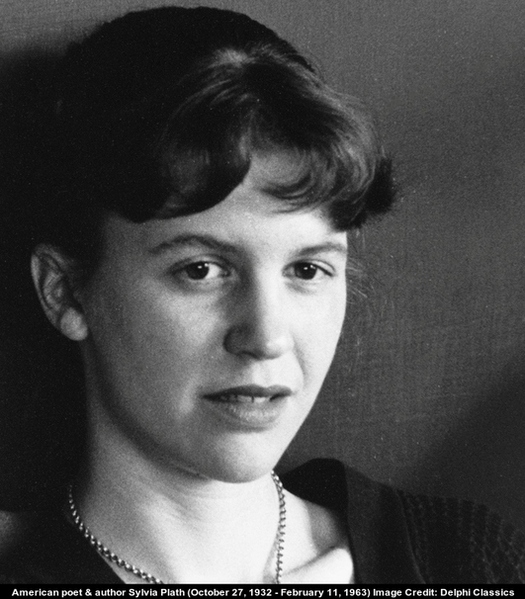
While serving as the editor of the magazine Combat, Camus discovered light beneath the ground. Again, the darkness of night covered Paris when he used to spend time in restaurants at noon. A sensation had always driven Camus. When he came to know that poet Sylvia Plath committed suicide, Camus stated: “It was not a suicide, but an ‘imaginative risk’.” Camus’ inability to write at times was actually a dangerous risk during his journey to overcome infertility or a period of stagnation. No one can become an author without taking this risk. We have realised uncertainty only because of Camus. It is Camus who helps his readers to understand that there is a secret behind each and every word. And, it is the destiny of an author to find that hidden truth.
In The Outsider, Camus’ hero indulged in physical act with his fiancée after the demise of his mother without repentance. In the 21st Century, we know that one needs real courage to get naked and why it is dangerous for ordinary people to remove all of their clothing.
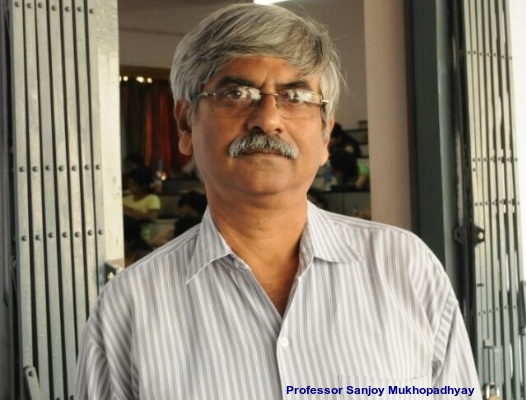
Translated by Koushik Das from the original Bengali article penned by Sanjoy Mukhopadhyay. Mukhopadhyay is a Professor (Retired) of Film Studies at Jadavpur University, Kolkata, India and a Ritwik Ghatak scholar. He is famous for his writings on cultural modernity in India. Mukhopadhyay is also a commentator on social issues.
অনিশ্চয়তার উপনিষদ
প্রত্যেক সময় তার নিজের মতো করে দেবতাদের চিনে নেয়। শক্তি বা সন্দীপন চট্টোপাধ্যায় যেভাবে আলবেয়ার কামুকে আবিষ্কার করেছিলেন, আমরা সাতের দশকে সেভাবে তাঁকে খুঁজে পাইনি। আমাদের কাছে তিনি এসেছিলেন প্রখর দহন তাপে, তাঁর জার্নালের পান্ডুলিপি এইটবি-র মোড়ে ছড়ানো। গুলির ফাঁকফোঁকর দিয়ে আমরা সময় পার হচ্ছিলাম। আর এই সময়ই দেখি, আলবেয়ার কামু লিখে রাখতেন— এই জুলাই রাত্রিগুলো, হালকা আর ভারী। সেইন নদীর পাশ দিয়ে হেঁটে গেলে হালকা, কিন্তু যারা এই পাঁচ বছর কোনও সকাল দেখেনি জবাই ছাড়া, কোনও দুপুর দেখেনি যন্ত্রণা ছাড়া, কোনও রাত দেখেনি আর্তনাদ ছাড়া, তাদের কাছে ভারী। তারা সকালের জন্য অপেক্ষা করে আছে।
আমরা এই সকালের জন্য অপেক্ষা করে ছিলাম। আমরা ভেবেছিলাম, কলকাতাও একদিন মুক্ত হতে পারবে। হয়নি। কামুও জানতেন না, তিনি সত্যের কাছে কোনওদিনই পৌঁছতে পারবেন না। তিনি যা হয়ে রইলেন ইতিহাসের কাছে, তা বস্তুত অনিশ্চয়তার উপনিষদ। সমস্ত কামুর রচনা শেষ পর্যন্ত সালভাদর দালির সেই ছবি, অন্ধ নিয়তির সুতোর থেকে ঝুলে রয়েছে একটা পিরিচবিহীন ডিমের পোচ, যার কুসুমই ঘড়ির কাঁটা।
তিনি মৃত্যুর আগে অন্তত এটুকু জেনে গিয়েছিলেন, ইতিহাস তাঁর জীবনী লেখার দায়িত্ব নিয়েছে। ১ জুলাই, ১৯৪৩ সালে সিমন দ্য বোভোয়া লিখছেন তাঁর অবিস্মরণীয় প্রেমিককে, যে, কতিপয় বন্ধুবান্ধব তাঁর ‘বহিরাগত’ (কামুর ‘দ্য আউটসাইডার’) ও ‘বিবমিষা’-র (সার্ত্র-র ‘নসিয়া’) মধ্যে তুলনা টানছেন। এবং কামুর দিকেই তাঁদের ঝোঁক। কারণ, ‘বিবমিষা’ বড্ড একঘেয়ে। যদিও ভালেরি সে-মত পোষণ করেন না।
You may also like: A Terrible Laughter: Milan Kundera
আমরা যারা তখন কলকাতায়, তারা সত্যি বলতে কী, তখন সার্ত্র আর কামুর মধ্যে কামুকেই বেশি ভালবেসে ফেলেছিলাম। এই ভালবাসার অন্যতম কারণ হয়তো, তাঁর সেই ঈশোপনিষদের মতো ‘দ্য আউটসাইডার’-এর প্রথম বাক্য— মা আজ মারা গেছেন, অথবা হয়তো গতকাল। আমি নিশ্চিত নই। এই লাইন পড়ার পরেই দেখা যায়, শক্তি চট্টোপাধ্যায় কী যন্ত্রণায় লিখে ফেললেন ‘জরাসন্ধ’-তে, ‘আমাকে তুই আনলি কেন, ফিরিয়ে নে’। আর সন্দীপন তো বারে বারেই বলেছেন, তাঁর মাতৃবন্দনা শুরু হয়ে যায় ‘দ্য আউটসাইডার’ উপন্যাসটি থেকে। আমরা সেই প্রজন্ম, যারা কলকাতায় কাটালাম, তারা জানি, আমাদের মাতৃবন্দনা কখনওই মহিষাসুরমর্দিনী থেকে শুরু হয়নি। বরং, মায়ের মরদেহ ভুলে যাওয়ার পরের দিন থেকেই আমাদের বোধন শুরু। আমরা যন্ত্রণার সারাৎসার খুঁজে পাচ্ছিলাম।
এই যে আমরা কামুকে বেছেছিলাম, তার কারণ কী? তাঁর আন্তর্জাতিক খ্যাতি? না, মোটেই না। বরং, কামু আমাদের কাছে মফসসলের ছেলে, তিনি বনেদি ফরাসি নন। খানিকটা হাইব্রিড, আলজেরিয়ার ছেলে। গাঁইয়া ফরাসিরা প্যারিসে দু-ভাবে পা দেয়। এক, কর্সিকা থেকে নেপোলিয়নের মতো, তারা সম্রাট হয়। আবার কামুর মতো, যারা আলজেরিয়া থেকে এসে কোনওদিনই বুঝতে পারেন না, কোন ঠিকানাটা তাদের। সারাজীবনই এক অনিশ্চয়তার মধ্যে তাদের ঘোরাফেরা করতে হয়।
সার্ত্রর সঙ্গে আমরা তাঁর তুলনা করব না। সার্ত্র মহান, জ্ঞানী। একটা শতাব্দীর অভিভাবক। কিন্তু তিনি ধনী, ফরাসি সংস্কৃতিতে দৃঢ়প্রোথিত। অন্যদিকে, কামু, মারিয়া থেসারেসের দুর্দান্ত প্রেমিক হওয়া সত্ত্বেও, অজস্র নারীর ওষ্ঠে সংলগ্ন হওয়া সত্ত্বেও, কিছুতেই বুঝে উঠতে পারেন না, কোন মেরুতে তিনি সংলগ্ন হবেন শেষত, কোথায় তিনি শেষমেশ পা রাখবেন। এ জন্মপথের রহস্য। যেমনভাবে তিনি আমাদের পতনের ব্যাখ্যা দেন, খুব ছোট্ট করে, ‘দ্য ফল’ উপন্যাসে, যে আধুনিক মানুষের জীবনী খুব সংক্ষেপে বলা যেতে পারে— তারা খবরের কাগজ পড়েছিল, এবং পরকীয়া করেছিল। আমরা যারা মিডিয়াসেবী, এবং যারা কেচ্ছার রূপকথায় মগ্ন, তারা দেখি, আমাদের পতনের আনুপূর্বিক বিবরণ আমাদের জন্মের আগেই লিখিত আছে। আমরা যেন কেবলই প্রেডিক্টিভ রাইটিং।
কামু এইখানেই আমাদের জয় করেন, যখন তিনি ‘দ্য আউটসাইডার’ লেখেন, এই উপন্যাসের নায়ক তার মাকে অবহেলা আর উদাসীনতার মধ্য দিয়ে শেষ পর্যন্ত যেখানে আসে, তা পুণ্যের সারাৎসার। একজন সন্তান তার মায়ের মুখাগ্নি এর চেয়ে পবিত্রভাবে আর করতে পারে না। সমস্ত আকাশে সুর বেজে ওঠে, সমস্ত ঠোঁটে গান। আমরা বুঝি, একটা দীর্ঘ রাত্রির অবসানে সকাল হচ্ছে। এই মাতৃ-উপাসনা সমস্ত শতাব্দীকে পাপ থেকে পরিত্রাণ করেছে।
কামু একবার বলেছিলেন, যে, দস্তয়েভস্কির ‘কারমাজভ ভাইয়েরা’ পড়াই হচ্ছে যথেষ্ট। কেননা যখন, এই উপন্যাসের শেষে বাচ্চারা আলিওশাকে প্রশ্ন করে, কারমাজভ, এসব কি সত্যি, যে আমরা মৃত্যু থেকে পুনরুত্থিত হব? আমরা আবার পরস্পরকে দেখতে পাব? তখন আলিওশা বলে, সত্যিই, আমরা পরস্পরকে দেখতে পাব, এবং সানন্দে পরস্পরকে বলতে পারব, কী ঘটেছিল। কী ঘটেছিল, আমরা জানি না। তা আপাতভাবে দ্বিতীয় বিশ্বযুদ্ধ, আপাতভাবে আলজেরিয়ার মুক্তিযুদ্ধ, এবং আপাতভাবে কতগুলি স্থির সত্য— যার মধ্যে পক্ষ নেওয়ার অবকাশ থাকে। এবং আমাদের দুর্ভাগ্য বা সৌভাগ্য, আমরা দেখি, কী অলৌকিকভাবে, কামু কোনও-কোনও বিচিত্র মুহূর্তে পক্ষপাতহীন হয়ে পড়েছেন, অথবা পক্ষপাতের সামনে দণ্ডিত হতে গিয়ে তিনি নিজের অসামর্থ্য ব্যাখ্যা করছেন। যখন নোবেল পুরস্কার পেলেন, তার ভাষণে কী চমৎকার বললেন, ‘Artist lives in such a state of ambiguity, incapable of denying reality, yet eternally bound to question it to it’s eternally unfinished aspect.’ এই যে অসমাপ্ত থাকার ইতিবৃত্ত, কামু তা সারাজীবন লক্ষ করে গেলেন।
তাঁর চেয়ে বছর দশেকের বড় সার্ত্র, শব্দের মহিমা বুঝতে চেয়ে সারাজীবন দর্শনের পাতা হাতড়েছেন। কিন্তু তাঁর করতলে আমলকির মতো মার্কসবাদ ছিল। কিন্তু কামুর হাতে নিৎশে, দস্তয়েভস্কি থাকা সত্ত্বেও তিনি মফসসলবাসী ডেলি প্যাসেঞ্জারের মতো প্যারিসে, নিউ ইয়র্কে ঘুরে বেরিয়েছেন, দেখেছেন, তাঁর আস্তানা কোথাও নেই।
ইঙ্গমার বার্গম্যানের মতো চলচ্চিত্রকার কামুর অনুরাগী হচ্ছেন, তার মূল কারণ, কামু তাঁর বাসনায় যখন হাত দেন, আমাদের মুখচ্ছবি যখন দেখেন, আমাদের প্রতিকৃতিতে যখন আঙুল বোলান, তখন তিনি দেখেন, এগুলো কেবলই ‘tissue of lies’, মিথ্যার তন্তুজালমাত্র। বার্গম্যান তাঁর ‘ক্রাইজ অ্যান্ড হুইসপারস’-এ যখন যোনিরক্ত লেপন করে দেন, এই মিথ্যার তন্তুজালকে অনুধাবন করে, মাথায় রাখতে হবে, তা তিনি কামুর থেকেই পেয়েছেন।
এই শতাব্দীতে আমরা যারা গদ্যসাহিত্যের কথা বলেছি, কবিতার কথা বলেছি, তারা এই ফুরফুরে, বেগবান অথচ কবরের নৈঃশব্দ্যসম্পন্ন গদ্যের কাছে কীভাবে দাঁড়িয়েছি? কামু নাট্যকার, না কামু দার্শনিক, না কামু সাংবাদিক, না কামু লেখক- এসব প্রশ্নের কোনও মানেই হয় না। কোনও-কোনও শতাব্দী কোনও-কোনও লেখকের সামনে এসে দাঁড়ায়, যাঁরা যাঁরা ডেলফি-র দৈববাণীর প্রতীক। কামু তেমনই একজন।
You may also like: Salvador Dalí: The Sentry Of Hell
কামু যখন ‘কমব্যাট’ পত্রিকা সম্পাদনা করেন, তখন ভূগর্ভের থেকে আলো পান। যখন প্যারিসের রেস্তোরাঁয় বসে থাকেন, তখন দুপুরে নেমে আসে মধ্যরাত্রির অন্ধকার। ‘আলো-অন্ধকারে যাই— মাথার ভেতর স্বপ্ন নয়, কোন্ এক বোধ কাজ করে’। এই বোধ কামুকে তাড়িয়ে নিয়ে বেরিয়েছে আজীবন। কবি সিলভিয়া প্লাথের আত্মহত্যার খবর শুনে কামু বলেছিলেন, এটা আত্মহত্যা নয়, এর সমস্তটাই ‘ইমাজিনেটিভ রিস্ক।’ এই যে কামু লিখতে পারছিলেন না, এই যে কামু থেমে গেলেন, এই যে বিপজ্জনক দুর্ঘটনা— আমার মনে হয়, তা বন্ধ্যাত্ব থেকে উত্তীর্ণ হওয়ার পথে এক বিপজ্জনক ঝুঁকি। এই ঝুঁকি না থাকলে, কোনও লেখক, লেখক হয়ে উঠতে পারে না।
আজ এই জানুয়ারির শীতরাত্রে মনে হয়, ভাগ্যিস কামু ছিলেন! ভাগ্যিস আমাদের অনিশ্চয়তার উপনিষদ ছিল! আমরা ভাগ্যিস জেনেছিলাম, শব্দ কখনও যোনি পর্যন্ত নিজেকে দর্শায় না! তার একটা আড়াল থাকে। সেই আড়ালকে খুঁজে পাওয়াই লেখকের নিয়তি।
বস্তুত, ডাক্তার শশী দাস ও ডাক্তার রিউ-র মধ্যে কোনও প্রতিতুলনা টানার প্রস্তাব নয়, মাতৃসমীপে আমাদের শতাব্দীর দুই লেখকই অবনত হতে পেরেছিলেন। মানিক বন্দ্যোপাধ্যায় ও আলবেয়ার কামু। কামুর নায়ক মায়ের অশৌচে নির্লিপ্ত রমণে রত হয়েছিল। তার কোনও আপাত অনুতাপ ছিল না। অন্যদিকে, মানিক বন্দ্যোপাধ্যায় তাঁর ‘দুঃশাসনীয়’ গল্পে ‘দ্য আউটসাইডার’ উপন্যাসের চেয়েও আরও নৃশংসভাবে উচ্চারণ করেছিলেন, ‘ছেলে মাকে ল্যাংটো দেখলে কী আসে যায়?’ আমরা এখন বুঝতে পারি, উলঙ্গ হতে প্রকৃতই সাহস লাগে, এবং আমাদের মতো মিডিয়াসেবিত প্রাণীরও উলঙ্গ হওয়া কেন বিপজ্জনক!
সঞ্জয় মুখোপাধ্যায়
Boundless Ocean of Politics on Facebook
Boundless Ocean of Politics on Twitter
Boundless Ocean of Politics on Linkedin
Contact: kousdas@gmail.com

 ISMC
ISMC Boundless Ocean Of Politics
1 Comment »