

Is Indian Judiciary In Deep Crisis?
Neighbouring Bangladesh experienced almost the same crisis a few months ago. The Chief Justice of the Supreme Court, Surendra Kumar Sinha, had to resign after five judges of the Appellate Division expressed unwillingness to continue working with him due to “11 gross allegations, which include money laundering, financial scam, corruptions and moral degradation against Sinha”. It was for first time in the 47 years since the independence of Bangladesh when a chief justice stepped down before the end of his term. India, with anxiety and interest, had been monitoring the event closely.
Few could imagine that India, too, would have to face a similar crisis. Four senior judges of the Supreme Court – Justices Kurian Joseph, J Chelameswar, Ranjan Gogoi and Madan Lokur – called a press conference on January 12 to (publicly) express their non-confidence in Chief Justice of India (CJI) Dipak Misra.
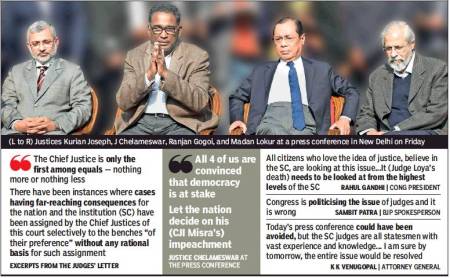
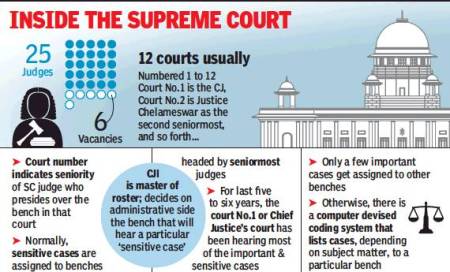
They not only complained that things were not going well at the judiciary, but also warned that the nation might not be able to safeguard democracy, if this trend prevails. The four senior judges launched an attack against the CJI’s allegedly arbitrary way of assigning important cases to benches headed by junior judges, ignoring senior ones. They have been restive over cases of “far reaching consequences for the nation” being “assigned selectively” to “benches of preference”. No wonder that the press conference made the Indian judiciary confront what may be termed as its greatest crisis and also triggered a political storm.
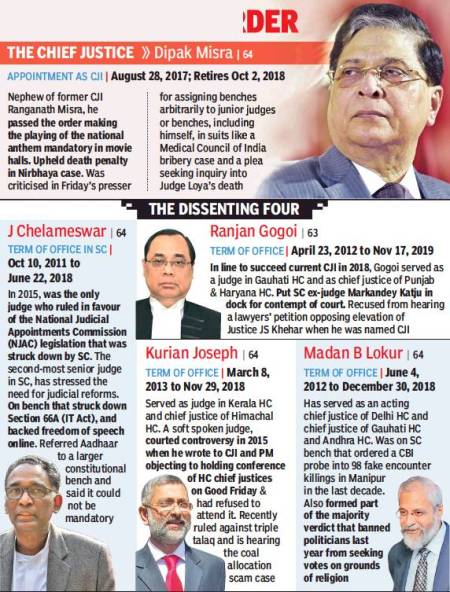
This scenario is unprecedented in the history of Indian democracy. In fact, the scenario is very unfortunate. So far, the neutrality and duteousness of the Indian judiciary – being one of the main three pillars of the democratic system – has not allowed the legislature to become aberrant. The efficiency of the judiciary has also protected the administration from corruption. That’s why people across the country have held the judiciary at a high esteem. So, the ongoing crisis should not be considered as the Supreme Court’s crisis or just a crisis of the judiciary, but a ‘national’ crisis.
The vast Indian population has long been considering the Supreme Court as one of the main patrons of fundamental rights. The credit goes to the Supreme Court for earning the people’s faith by successfully safeguarding the rule of law and fundamental rights. The feeling of reverence and the tradition is in danger all of a sudden.
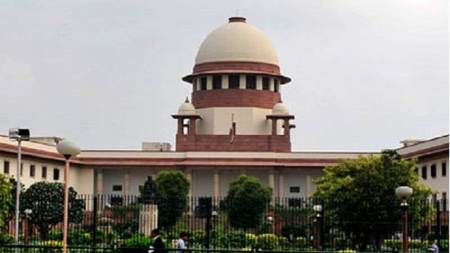
Supreme Court of India
We have to keep in mind that many people would like to take advantage of this crisis. Those, who want to grab power and have no sense of morality, are waiting for their opportunity. So, it is important for India to resolve the crisis as soon as possible not only for the sake of the Supreme Court’s dignity, but also for the sake of the interest of the rule of law and to protect the democracy. Right now, the whole nation is looking at the Supreme Court.
Boundless Ocean of Politics on Facebook: https://www.facebook.com/boundlessoceanofpolitics/
Boundless Ocean of Politics on Google Plus:
https://plus.google.com/+KoushikDasboundless
Boundless Ocean of Politics on Twitter:
https://twitter.com/kousdas?s=09
Contact us: kousdas@gmail.com

 ISMC
ISMC Boundless Ocean Of Politics