

A Death Sentence, Iran & Geopolitics
Another scientist has been sentenced to death in Iran.
Researcher Ahmadreza Jalali has been convicted in the court because of his ‘alleged’ involvement in hatching conspiracy against the West Asian country. However, the judge has given him 20 days to appeal against the verdict. Experts are of the opinion that the judge has allocated a specific time only to avoid global condemnation and internal protests.
Before the execution of Shahram Amiri – an Iranian nuclear scientist of Kurdish descent who disappeared from Iran during 2009-10 under disputed circumstances – in August 2016, the court had also given him an opportunity to appeal. But, the judiciary did not change the verdict. Amiri, too, was hanged for giving “vital information to the enemy”.
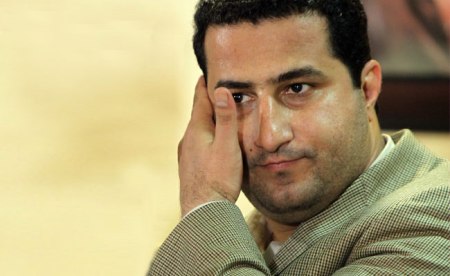
Shahram Amiri
Jalali’s wife Vida Mehrannia has confirmed that her husband is charged with “working with enemy states”. At the same time, she dismissed the allegation as baseless, saying that the Swedish-based academic and researcher at the Research Centre in Emergency and Disaster Medicine (CRIMEDIN) – run by the University of Eastern Piedmont in Novara, Italy, and the Free University Brussels (VUB) – was engaged exclusively in “scientific work”.
Mehrannia has requested various international organisations of scientists to form public opinion in order to save the life of her husband. However, it’s difficult to predict whether she will get response. On July 21, the Scholars at Risk (SAR) – an international network of higher education institutions and individuals working to protect threatened scholars, prevent attacks on higher education, and promote academic freedom and related values – urged scientists of various countries to discuss the issue with the government of Iran and also with the undisputed leader of the country, Ayatollah Khamenei, in order to ensure the release of Jalali. Those organisations wrote to Khamenei, but Jalali’s fate has not changed yet.

Ahmadreza Jalali with his family
Jalali is associated with two organisations – one in Sweden and another in Italy. He was doing research on how the people, injured in terror attacks, would receive better treatment in hospitals and how to combat chemical or biological terrorism, etc. Jalali was arrested by the Iranian security forces when he, along with his family, arrived in Tehran in 2016. The Iranian authorities claimed that he handed over to Israel reports prepared by Iranian scientists. Tehran further claimed that Israelis paid a huge amount of money to Jalali and also invited him to join the research project in their country.
Jalali not only denied the allegations, but also went on hunger strike to protest physical and mental torture on him for confession in Iran’s Evin prison. Dr Luca Ragazzoni, Jalali’s colleague at the Eastern Piedmont University, said that his friend did not have any secret information and did not receive financial support from the Israeli government. In fact, the European Commission provides the research funding, added Dr Ragazzoni.

Ayatollah Khamenei
Then, what is the real fact? As per the statement issued by Jalali (while serving prison term), the Iranian officials had asked him to work as a spy and to send information about researches going on in different European laboratories to Tehran. The Iranian administration arrested him for not accepting the proposal.
However, the envoy – through whom the scientist issued the statement – wished to remain anonymous. It is difficult to ignore Jalali’s statement, keeping in mind the characteristics of the Iranian regime.
Boundless Ocean of Politics on Facebook: https://www.facebook.com/boundlessoceanofpolitics/
Boundless Ocean of Politics on Google Plus:
https://plus.google.com/+KoushikDasboundless
Boundless Ocean of Politics on Twitter:
https://twitter.com/kousdas?s=09
Contact us: kousdas@gmail.com

 ISMC
ISMC Boundless Ocean Of Politics