

India’s ‘Tryst With Destiny’
Indians celebrate their 71st Independence Day on Tuesday (August 15, 2017), with various events taking place in different parts of the South Asian country. On the occasion, Prime Minister Narendra Modi hoisted the national flag from ramparts of the historic Red Fort in New Delhi in the morning, greeted the nation and remembered those leaders who shaped the fortunes of this great nation.
However, noted Indian cricketer Gautam Gambhir made the Independence Day memorable this year by sending a chilling message to his countrymen. On the eve of the Independence Day, he tweeted an image of a small kid, sitting in the middle of coal and fire, with a caption: “We cannot do anything for you, friend, we have to build a temple and a mosque.” The caption left people numb, as we know that the member of the World Cup-winning Indian team raised a serious issue.
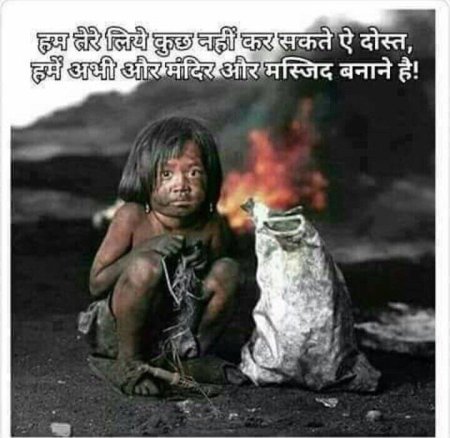
Gambhir’s Tweet
Gambhir is not alone. There are many people from different walks of life who express similar views. Rumjhum Bhattacharya, a senior Kolkata-based Consultant Psychologist, has raised same questions. Bhattacharya recently said (in a Facebook post) that which freedom (or independence) we are celebrating? Yes, India became a “free nation” because of sacrifices made by thousands of people and many great leaders. But, ‘discrimination’ still exists in this country. Many people in India are still suppressed, she added.
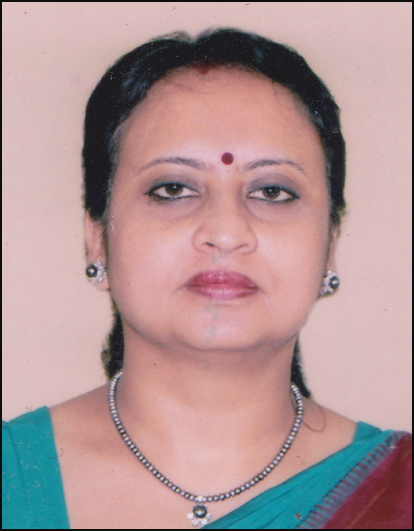
Rumjhum Bhattacharya
Bhattacharya continued: “The history of freedom movements of all the countries in the world is more or less same. People joined the nationalist movement after being victimised by a common enemy – the colonial masters. However, they faced a different problem after achieving ‘freedom’. Freedom doesn’t mean that there is no enemy. To revive the spirit of ‘nationalism’, the state creates new enemies. The state’s message to its people is very clear: they belong to other religions, castes, their food habit is different. So, they are our enemies. Know the enemy, kill (read lynch) them and love the nation.” The psychologist urged the people of India to identify the real enemies – poverty, illiteracy, unemployment, poor medical facilities, etc., saying: “We forced Britons to quit India. But, we have become slaves of our ‘corrupt’ political leaders in ‘free’ India. As a result, we are still not ‘free’ in a very real sense.”
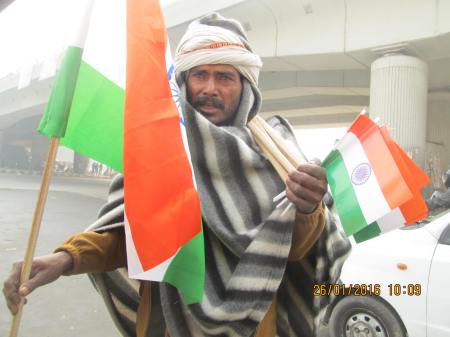
With India celebrating 71st year of its Independence, people of this country will have to think whether they have done enough to realise the promises made in the Constitution? (Many believe) in terms of religion, region and ethnicities, the Indian state is slowly losing its hegemonic narrative of a ‘united’ nation. And a state loses its hegemony only when it loses its narrative. The point is: the struggles for freedom within India and from India have not ceased since August 15, 1947.
In an article published in ‘The Wire’ on August 14, 2016, noted journalist and poet C P Surendran wrote: “The Indian state is still evolving. Which is why Kashmir is a question that is yet to be decided. It is why Nagaland is a source of worry and also why Arunachal Pradesh is disputed by another state, China. History is movement in time and space. To define a state as an absolute will prove a near impossible task.”

For Indian leaders, it is important to understand the system that their forefathers created. They have to realise the true meaning of the preamble of the Constitution, which says: “We, the people of India, having solemnly resolved to constitute India into a sovereign, socialist, secular, democratic republic and to secure to all its citizens: justice, liberty, equality and to promote among them all fraternity assuring the dignity of the individual and the unity and integrity of the nation.”

Sugata Bose – a member of the Parliament, noted historian and grandson of iconic Indian freedom fighter ‘Netaji’ Subhas Chandra Bose – recently urged Prime Minister Modi to take strong action against those “spreading the poison of hatred and killing human beings in the name of religion”. “I appeal to the PM to stop the engines of coercion in their tracks. Faith in India’s destiny rescues us from debilitating pessimism in the face of ferocious assaults on the expression of rational difference,” he said in the Lower House of the Parliament during a special debate on the 75th anniversary of the ‘Quit India’ movement on August 9.
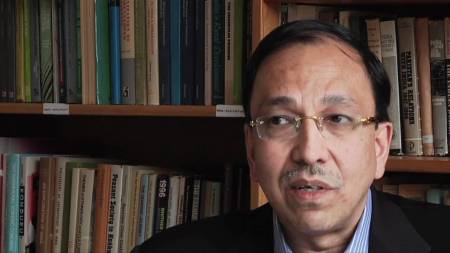
Sugata Bose
Bose told the House: “It is not easy to be rid of bad things from the past. Today, in some parts of the country, we are witnessing a recrudescence of the hatred that had marked the cow protection movements of the 1890s, and the shuddhi and sangathan movements of the late 1920s.” He even quoted Mahatma Gandhi, Rabindranath Tagore, Subhas Chandra and Swami Vivekananda to stress religious harmony, insisting: “To ensure peace, we must avoid all temptations to be chauvinistic and jingoistic. If he (the PM) truly wants all evils to quit India by 2022, including communalism… we hope that he will unambiguously condemn and take stronger action against those who are spreading the poison of hatred and killing human beings in the name of religion.”
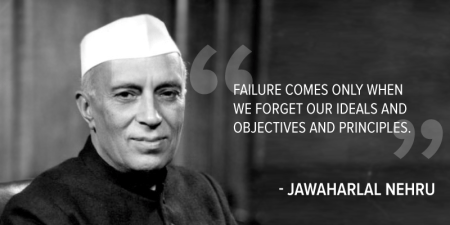
Delivering a speech to the Constituent Assembly in the Parliament on the eve of India’s Independence towards midnight on August 15, 1947, the country’s first Prime Minister Jawaharlal Nehru said: “Long years ago, we made a tryst with destiny, and now the time comes when we shall redeem our pledge, not wholly or in full measure, but very substantially. At the stroke of the midnight hour, when the world sleeps, India will awake to life and freedom.” Seventy years ago, an Indian PM spoke of “tryst with destiny”. Oh destiny! India’s journey (towards destiny) still continues. Where do we go from here?
Boundless Ocean of Politics on Facebook: https://www.facebook.com/boundlessoceanofpolitics/
Boundless Ocean of Politics on Google Plus:
https://plus.google.com/+KoushikDasboundless
Boundless Ocean of Politics on Twitter:
https://twitter.com/kousdas?s=09
Contact us: kousdas@gmail.com

 ISMC
ISMC Boundless Ocean Of Politics